


 Israeli Strikes Kill Two in Gaza as Tensions Rise
  Trump Buys SpaceX Shares After Record IPO
  US Removes Syria From Terrorism Sponsor List
  Norway Backs Barents Sea Oil and Gas Expansion
  Oil Prices Slide on U.S.-Iran Ceasefire Reports, Hormuz Talks
  Asian Currencies Mixed as Aussie Dollar Rises on Hot Inflation
  US-Canada Tariff War Escalates With 50% Auto Duties
  Asian Stocks Slip Ahead of Nvidia Earnings and US Inflation Data
  Gold Hits Three-Month High as Treasury Moves Fuel Rally
  Syria, Israel Resume US-Mediated Security Talks in Jordan
  Asian Stocks Slide as Samsung, Alibaba Lead Tech Selloff
  Europe EV Sales Surge as High Fuel Prices Drive Demand
  Trump Vows Tougher Iran Sanctions as US Weighs New Economic Pressure
  Oil Prices Retreat as Markets Await Tougher Iran Sanctions
  Gold Prices Hover Near Three-Month High as Oil, Treasury Yields Fall
  Trump Administration Pauses Visa Appointments Worldwide
  North Korea Prepares More Troops for Russia, Seoul Says


 Add as a preferred source on Google
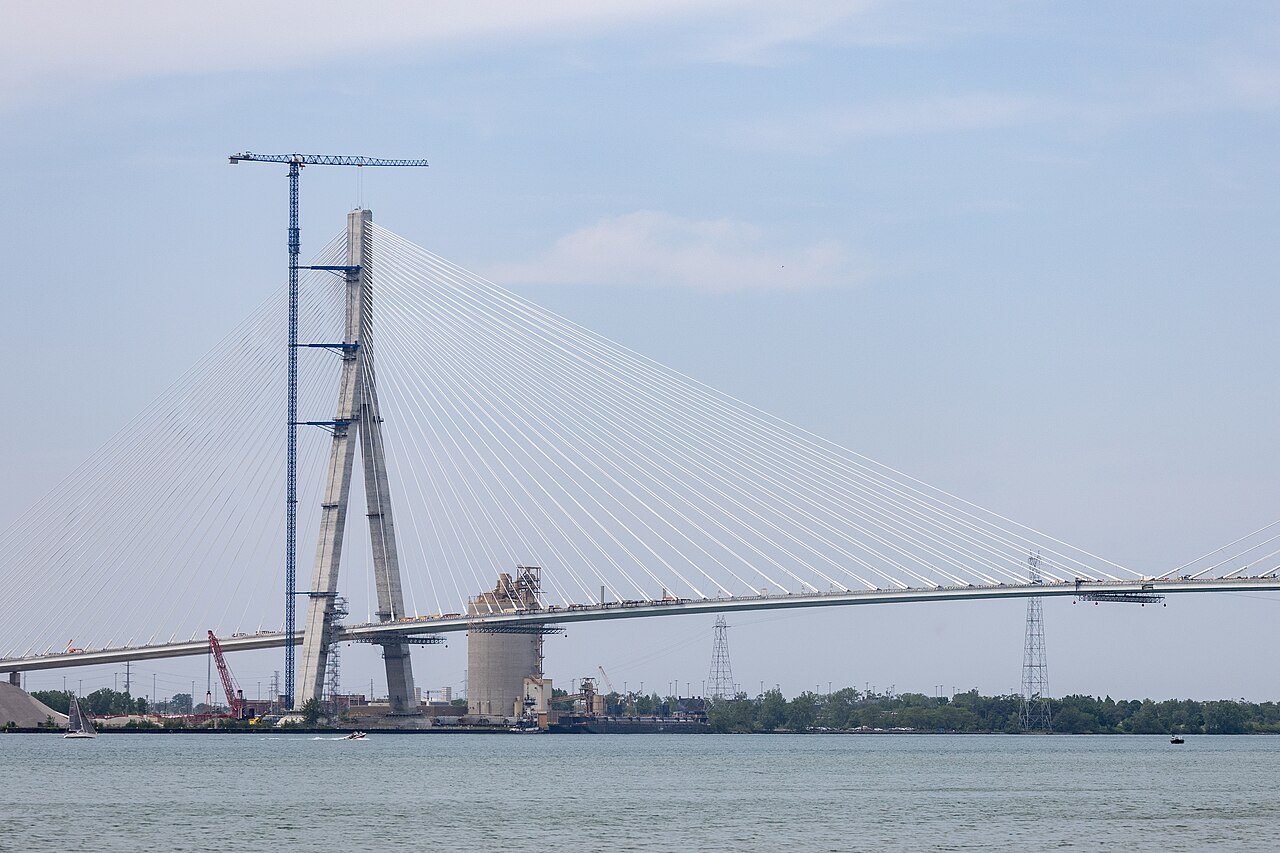
The long-awaited Gordie Howe International Bridge connecting Detroit, Michigan, and Windsor, Ontario, is set to officially open on July 27 after the United States and Canada reached a new agreement over toll revenue, ending months of uncertainty surrounding the $4.7 billion cross-border project.
The bridge, originally expected to open in June, faced delays after President Donald Trump raised concerns in February over the financial terms of the project and threatened to block its opening. The dispute has now been resolved through a bilateral agreement covering toll governance, revenue sharing, and regional investment.
Canada announced that both countries agreed on cooperative measures to improve toll transparency while establishing a 15-year economic development fund financed by a portion of future bridge profits. According to a source familiar with the negotiations, the United States will receive 50% of toll revenue and will have the authority to veto any toll increase exceeding 10% above current rates.
Michigan Republican Senate candidate Mike Rogers said U.S. Commerce Secretary Howard Lutnick secured a stronger agreement after negotiations with Canada's minister responsible for U.S. trade, Dominic LeBlanc. Rogers said the revised deal allows the United States to receive significant revenue from the bridge instead of none under the previous arrangement.
The Gordie Howe International Bridge has become a political issue in Michigan's Senate race as Republicans seek to maintain control of the U.S. Senate. Canadian Prime Minister Mark Carney previously confirmed that Canada delayed the bridge's opening at the request of the Trump administration.
Construction began in 2018 and was fully financed by Canada after the United States declined to contribute to the project. The bridge was originally expected to repay construction costs through toll collections over 30 years, although it remains unclear how the new revenue-sharing arrangement will affect that timeline.
The new crossing is expected to reduce congestion at the nearby Ambassador Bridge, currently the busiest commercial border crossing between the United States and Canada. The route handled $126 billion in truck-borne trade in 2023. A University of Windsor study estimates the new bridge will cut crossing times by about 20 minutes, generating approximately $2.3 billion in savings for truck drivers and freight companies over the next three decades.







