


 South Korea, US Discuss Warship Building Cooperation
  US, China Extend Trade Truce to Jan. 10 Ahead of Trump-Xi Summit
  Mexico-US Trade Talks Delayed to October as Tariff Negotiations Continue
  Dollar Hits Two-Month High as Fed Rate Hike Bets Rise
  U.S. Treasury Yields Surge as 30-Year Hits 22-Year High
  European Stocks Slip as Iran Tensions Offset Strong Eurozone Data
  Australia Unemployment Hits Five-Year High Despite Strong Jobs Growth
  Trump, Xi Focus on Trade and AI at White House Summit
  Oil Prices Jump 3% as Houthi Attack Revives Supply Fears
  Fed Unveils Stablecoin Rules Under GENIUS Act
  China’s ‘Lipstick King’ Says AI Won’t Replace Livestream Hosts
  U.S. 10-Year Treasury Yield Hits 2007 High as Fed Rate Hike Bets Rise
  Gold Prices Fall as Treasury Yields Rise on Fed Rate Hike Bets
  European Stocks Fall as Bond Yields and Geopolitical Risks Weigh
  Russian Envoy Dmitriev Heads to US for Ukraine Talks
  US Stock Futures Fall as Treasury Yields Surge Ahead of Trump-Xi Summit
  Gold Drops Over 1% as Dollar, Treasury Yields Surge on Fed Rate Hike Bets


 Add as a preferred source on Google
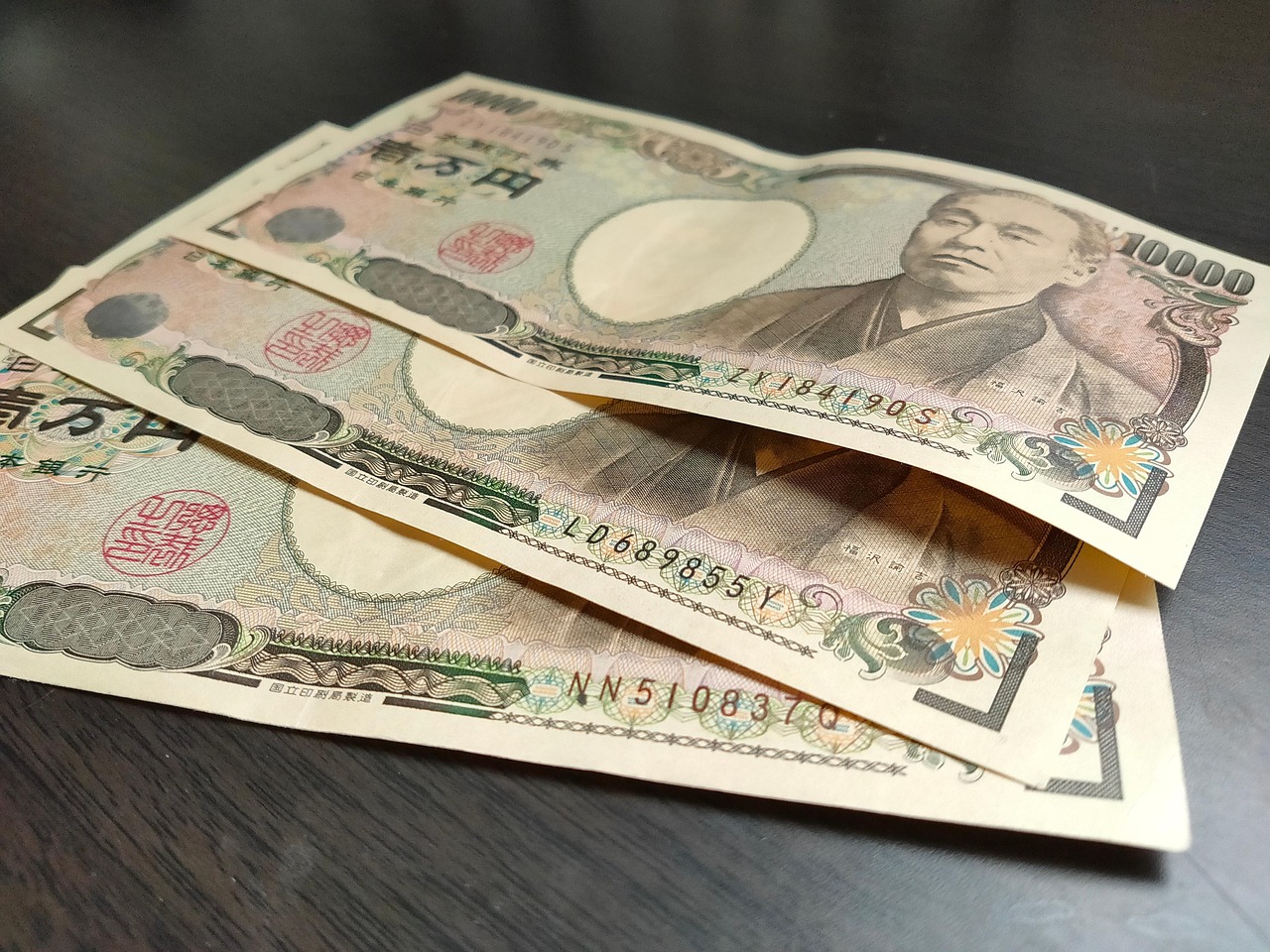
The U.S. dollar traded within a narrow range on Friday and was on track for a modest weekly gain as investors weighed evolving inflation expectations, Federal Reserve policy signals, and renewed geopolitical tensions in the Middle East. Meanwhile, the Japanese yen strengthened after reports that Japan could encourage its massive government pension fund to increase investments in domestic assets.
The U.S. Dollar Index, which measures the greenback against six major currencies, rose 0.1% to 100.96 and was also up 0.1% for the week. Traders remained cautious ahead of key U.S. inflation data due next week, including the June Consumer Price Index (CPI) on Tuesday and Producer Price Index (PPI) on Wednesday.
The yen outperformed after newly appointed Japanese Finance Minister Satsuki Katayama said the government is exploring policies to encourage the Government Pension Investment Fund (GPIF) to allocate more of its 293.6 trillion yen ($1.81 trillion) portfolio to domestic assets. The prospect of increased local investment boosted demand for the yen and pushed Japanese 10-year government bond yields lower.
The USD/JPY pair fell 0.4% to 161.73, marking a second straight day of gains for the Japanese currency, although it still posted a weekly decline. The proposed policy shift is viewed as part of Japan’s broader effort to support the yen after repeated currency interventions failed to reverse its long-term weakness against the dollar, largely driven by the interest rate gap between the Federal Reserve and the Bank of Japan.
The dollar’s performance this week was also influenced by rising tensions between the United States and Iran, which briefly lifted oil prices and fueled concerns about inflation. Minutes from the Federal Reserve’s June meeting and the central bank’s latest report to Congress showed policymakers remain divided over the path of interest rates while continuing to monitor inflation risks linked to tariffs, artificial intelligence-driven demand, and geopolitical events.
President Donald Trump reiterated Friday that the ceasefire with Iran was "over," although he also confirmed Tehran had requested continued negotiations. Diplomatic efforts by Oman and Pakistan suggested both sides remain interested in preventing a broader conflict, helping ease fears of further escalation while keeping markets focused on upcoming U.S. inflation data and the Fed’s next policy moves.







