


 Russian Envoy Dmitriev Heads to US for Ukraine Talks
  Anthropic’s Claude Discovers CRISPR-Like Enzyme System
  China Reviews Broadcom Switch Use in State Data Centres
  US Backs Musk in Fight Against EU’s €120 Million X Fine
  European Stocks Slip as Iran Tensions Offset Strong Eurozone Data
  Tencent Launches TenPayGo Payment App for Foreign Tourists in China
  Fed Unveils Stablecoin Rules Under GENIUS Act
  H&M Q3 Profit Beats Estimates as Margins Improve
  US, China Extend Trade Truce to Jan. 10 Ahead of Trump-Xi Summit
  SoftBank Raises $11.1 Billion in Bond Sale to Fund OpenAI Investment
  US Stock Futures Fall as Treasury Yields Surge Ahead of Trump-Xi Summit
  Trump, Xi Focus on Trade and AI at White House Summit
  Gold Drops Over 1% as Dollar, Treasury Yields Surge on Fed Rate Hike Bets
  Oil Prices Jump 3% as Houthi Attack Revives Supply Fears
  Meta Unveils Muse Charm AI Device, Expands Smart Glasses Lineup
  U.S. 10-Year Treasury Yield Hits 2007 High as Fed Rate Hike Bets Rise
  Oracle Shares Fall as New Mexico AI Data Center Faces Power Delays


 Add as a preferred source on Google
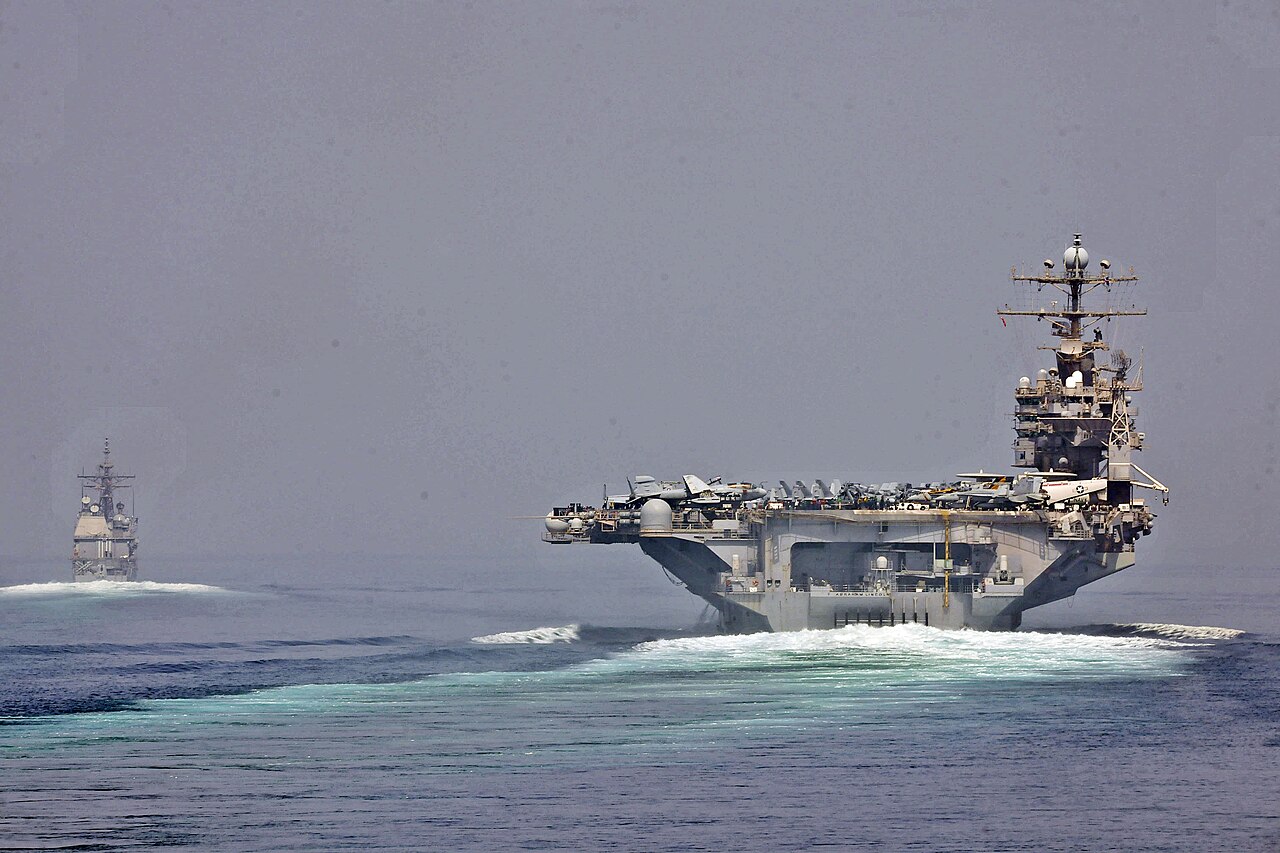
At least four oil and liquefied natural gas (LNG) tankers have reversed course after approaching the Strait of Hormuz, as renewed attacks on commercial vessels intensified security concerns along one of the world’s most critical energy shipping routes.
According to ship-tracking data from Kpler and LSEG, three QatarEnergy-controlled LNG tankers—Al Ghariya, Duhail, and Al Ruwais—turned away late Tuesday after heading west toward the strategic waterway. The vessels were sailing empty and were bound for Qatar’s Ras Laffan export terminal to load LNG cargoes.
An Indian-flagged oil tanker carrying around 2 million barrels of Kuwaiti crude also made a U-turn near the Strait of Hormuz on Wednesday, further highlighting growing caution among shipping operators.
The route changes followed reports that a Qatari LNG tanker and a Saudi-flagged crude oil tanker were damaged near the strait after Iran allegedly launched missile attacks on vessels transiting the waterway. The incidents prompted maritime authorities to raise the threat level for ships traveling through the Strait of Hormuz to "severe."
Despite the heightened risks, some energy shipments continue. Since the conflict intensified in late February, at least 16 LNG cargoes have departed Qatar’s Ras Laffan terminal, while 10 cargoes have sailed from ADNOC’s Das Island export facility in the United Arab Emirates. However, those volumes remain well below the combined monthly average of roughly 7 million metric tons exported from the two terminals.
Shipping analytics firm Vortexa reported that more than 10 empty vessels were waiting near Ras Laffan in early July to load cargoes. It also estimated that over 50 ballast vessels controlled by QatarEnergy and ADNOC are positioned across the Middle East Gulf, India, and the Strait of Malacca, with several having switched off their Automatic Identification System (AIS) signals for more than 10 days.
Not all vessels have altered course. The VLCC Tenjun, managed by Nippon Yusen, successfully exited the Strait of Hormuz on Tuesday carrying approximately 2 million barrels of Qatari crude. Another supertanker, Pertamina Pride, operated by Indonesia’s Pertamina, also cleared the strait with 2 million barrels of Saudi crude onboard, although its transponder remained switched off during the voyage.







