


 China Says U.S. Shares Responsibility for AI Governance
  Iran Rejects Nuclear Concessions in Hormuz Deal
  China Agrees to Buy 20 Million Tons of U.S. Coal
  Saudi Arabia Seeks Military Support as Houthi Attacks Escalate
  Taiwan Says U.S. Arms Sales Protect Chip Supply
  Taiwan Pushes Back on China’s World War Two Narrative After Trump-Xi Summit
  Trump to Ease U.S. Fuel-Economy Standards
  UK Police Arrest Five in RAF Fairford Terror Probe
  Evan Gershkovich Says FSB Set Trap for 2023 Russia Arrest
  Iran Holds Firm on Hormuz Reopening Terms Despite Trump Rejection
  Russian Bomb Strike on Kharkiv Injures 22, Including Children
  Iran Says Diplomacy Only Path to End U.S.-Israel Conflict
  Republicans Flood Safe House Races With Cash as Midterm Risks Rise
  Germany Political Risks Rise as Merz Faces Coalition Pressure
  China Cuts Tariffs on U.S. Farm Goods but Excludes Soybeans
  UK PM Burnham Signals Social Care Tax Changes, Questions Heathrow Expansion


 Add as a preferred source on Google
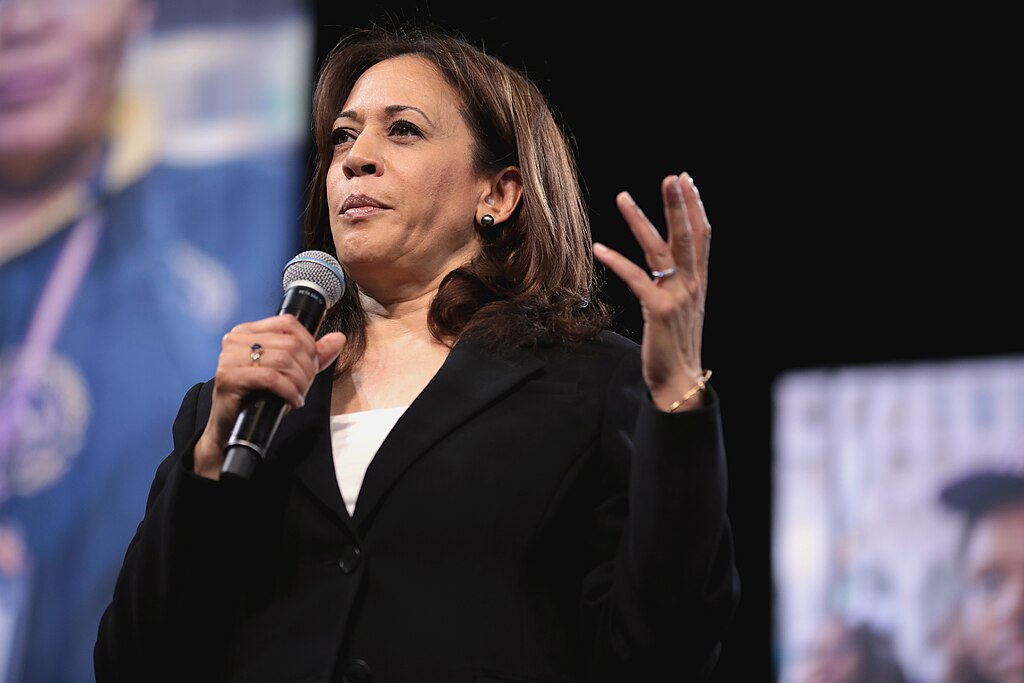
Vice President Kamala Harris, who has been positioning herself as a champion of workers' rights on the campaign trail, is facing sharp criticism over her administration’s previous stance on COVID-19 vaccine mandates. Critics argue that her tough rhetoric on protecting workers is undermined by the Biden administration's controversial push to mandate COVID-19 vaccinations, which could have resulted in the termination of hundreds of thousands of employees who refused to comply.
As Harris amplifies her message of standing up for the working class, opponents are quick to point out that her campaign’s talking points echo those used by former President Donald Trump during his tenure. They argue that Harris’s recent emphasis on workers' rights is an attempt to divert attention from her administration’s actions during the pandemic, actions that they claim were at odds with her current pro-worker narrative.
The controversy centers on the Biden administration’s implementation of strict vaccine mandates across various sectors, including healthcare, federal employees, and large private businesses. These mandates, which required employees to be vaccinated against COVID-19 or face termination, sparked widespread debate and resistance. Opponents argue that these policies were an overreach of governmental power and that they placed workers in the difficult position of choosing between their jobs and personal medical decisions.
Despite the administration's push for widespread vaccination as a public health measure, critics view Harris's support of these mandates as inconsistent with her current campaign messaging. They suggest that her efforts to position herself as a defender of workers ring hollow in light of the administration's previous willingness to fire those who refused the vaccine.
The accusations of hypocrisy are further fueled by Harris's adoption of some of Trump’s populist rhetoric, which focused heavily on supporting the working class and pushing back against what he framed as government overreach. Harris’s critics argue that her recent speeches and campaign promises are borrowed from Trump’s playbook, crafted to appeal to a broad base of voters while glossing over the administration’s record during the pandemic.
As Harris continues her campaign for the presidency, these criticisms are likely to intensify. The tension between her past actions and current rhetoric could become a focal point for her opponents, who are eager to highlight what they see as inconsistencies in her platform.
The debate over Harris’s record on workers’ rights and her administration’s handling of the COVID-19 vaccine mandates underscores the broader challenges she faces as she seeks to unite her base while appealing to a broader electorate. The lingering effects of the pandemic, combined with the political polarization surrounding vaccine mandates, ensure that this issue will remain a contentious one as the 2024 election approaches.







