Japan's alcoholic beverage makers are unveiling new products to meet the rising demand for low-alcoholic drinks from health-conscious consumers or those drinking more at home due to the pandemic.
Many of those drinkers aren't satisfied with non-alcoholic drinks.
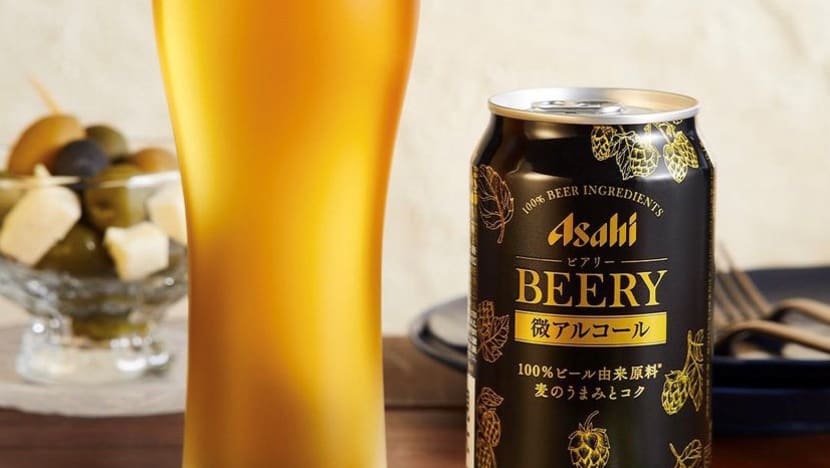
Asahi Breweries Ltd. released the low-alcohol Asahi Hiball, which is mixed with malt whisky brewed by its subsidiary the Nikka Whisky Distilling Co., and Beery, a beer-like beverage.
The 0.5-percent alcohol version of a highball, which boasts an authentic aroma and flavor, is available in 350-milliliter cans that sell for 195 yen, while a 3-percent alcohol version is priced at 199 yen.
Meanwhile, the Beery targets first-time drinkers and consumers in their 20s and 30s who are shying away from regular beer. It has seen high sales since being released nationwide in June.
Asahi also made the Beery available in small bottles for restaurant operators since September.
Sapporo Breweries Ltd. released the Drafty, a beer-like beverage with an alcohol content of 0.7 percent.
It is brewed from 100-percent malt and crafted to produce a savory malt flavor, the company said.
Asahi plans to increase its sales ratio of products with an alcohol content of 3.5 percent or less to all alcohol-related beverages for home consumption from about 6 percent in 2019 to 20 percent in 2025.
Meanwhile, Suntory Spirits Ltd. shored up its 3-percent alcohol series of beverages, adding Acerola Sour to the 15 varieties it has been selling annually.
Beverage makers profit more from those with an alcohol content of less than 1 percent as these are not categorized as liquors and therefore exempted under the Liquor Tax Law.
The low-alcohol trend has also spread to Japan's wine industry.
Mercian Corp. on Aug. 31 released a wine called Bon Rouge that has an alcohol content of 6 percent.
A typical wine has an alcohol content of around 12 percent.
Japan's market for beverages with an alcohol content of 3 percent or less raked in 105.8 billion yen in 2020, growing by 5.9 percent on-year.