


 Pentagon Restarts Testosterone Testing for US Troops
  Trump Bans CNN, MS NOW and Politico From White House
  Trump Scales Back Endangered Species Act Protections
  Jeff Bezos Invests $32 Billion in Blue Origin as Space Firm Targets Major Growth
  FDA Weighs Safety Standards for Psychedelic Therapies
  Xi Calls for Deeper U.S.-China AI Cooperation in Trump Talks
  Akamai Shares Surge on $11.6B Anthropic AI Cloud Deal
  Kremlin Says No Decision Yet on Putin-Trump December Summit
  Taiwan Thanks US for Support Ahead of Trump-Xi Summit
  Saudi Arabia, Turkey and Pakistan Plan Urgent Defence Talks Over Houthi Attacks
  Select Water Solutions Shares Surge on $700 Million Pilot Water Deal
  US Backs Musk in Fight Against EU’s €120 Million X Fine
  Sudan Rejects US Legitimacy Remarks, Defends Sovereignty
  Judge Orders Trump to Restore White House Access for CNN, MS NOW and Politico
  Appeals Court Rejects Trump Third-Country Deportation Policy
  3 clinical-grade skincare creams you really shouldn’t buy online
  Abbas Reaffirms November 28 Palestinian Elections


 Add as a preferred source on Google
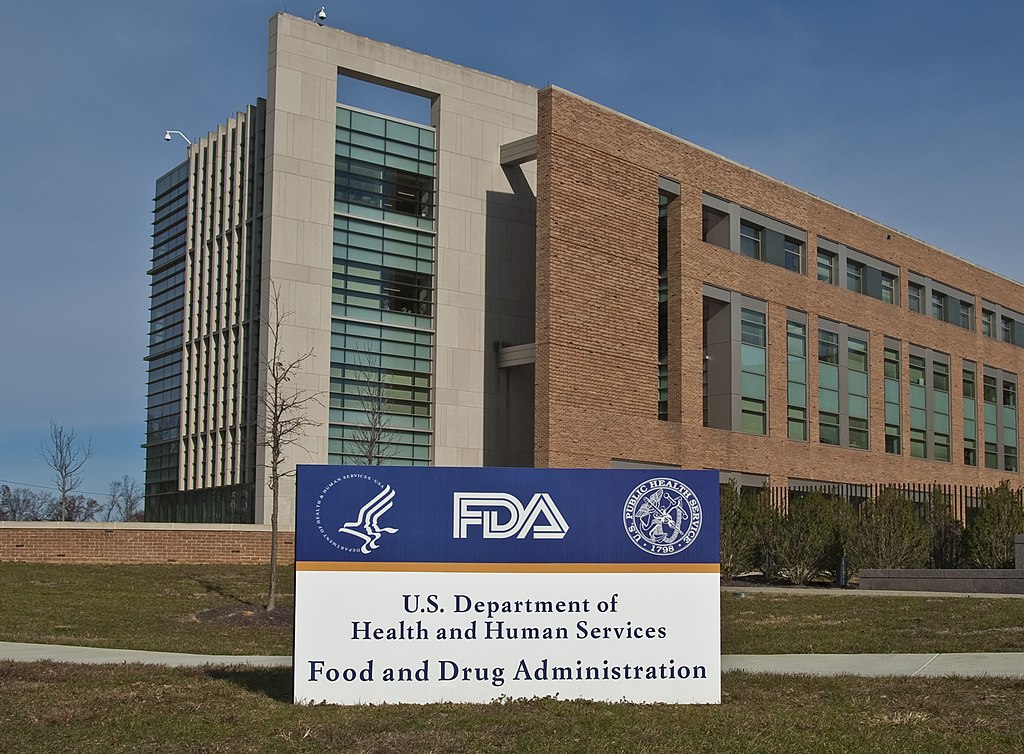
The U.S. Food and Drug Administration (FDA) announced plans to require new clinical trials for annual COVID-19 booster approval in healthy individuals under 65. The move, outlined by FDA Commissioner Marty Makary and vaccines regulator Vinay Prasad, reflects concerns over the limited benefit of repeated shots for low-risk adults. Older adults and high-risk groups will still have access under existing approval processes.
Makary and Prasad noted that the U.S. is an outlier in recommending annual boosters for all adults, citing a need for more data on long-term efficacy. They said new trials will target healthy individuals aged 50–64 and young children, but won’t be required annually unless major viral shifts occur. This could affect insurance coverage, with the American Academy of Pediatrics warning it may limit access for families.
While companies like Pfizer and Moderna remain in talks with the FDA, analysts said the guidance won’t affect high-risk groups. Moderna shares rose 7.6%, BioNTech 4%, Pfizer 1.9%, and Novavax 1.5% following the news.
Vaccine makers argue that annual reformulations tailored to emerging variants could lose relevance if trials delay rollouts. However, FDA officials insist that data from immune response studies will still support approvals for vulnerable populations, including those with obesity, diabetes, or heart conditions.
Health Secretary Robert F. Kennedy Jr., known for his skepticism toward vaccines, continues to reshape the agency under Trump’s directive to reduce federal oversight. Despite criticism, Makary and Prasad praised past vaccine achievements like the MMR shot and the rapid 2020 COVID vaccine rollout.
Roughly 100 to 200 million Americans are expected to retain access to annual COVID boosters under the new framework. The FDA’s advisory committee will meet this week to decide which variant the next shot will target.







