


 Global PC Makers Eye Chinese Memory Chip Suppliers Amid Ongoing Supply Crunch
  Washington Post Publisher Will Lewis Steps Down After Layoffs
  Instagram Outage Disrupts Thousands of U.S. Users
  Weight-Loss Drug Ads Take Over the Super Bowl as Pharma Embraces Direct-to-Consumer Marketing
  American Airlines CEO to Meet Pilots Union Amid Storm Response and Financial Concerns
  Sony Q3 Profit Jumps on Gaming and Image Sensors, Full-Year Outlook Raised
  CK Hutchison Launches Arbitration After Panama Court Revokes Canal Port Licences
  Tencent Shares Slide After WeChat Restricts YuanBao AI Promotional Links
  Alphabet’s Massive AI Spending Surge Signals Confidence in Google’s Growth Engine
  Nvidia CEO Jensen Huang Says AI Investment Boom Is Just Beginning as NVDA Shares Surge
  SpaceX Pushes for Early Stock Index Inclusion Ahead of Potential Record-Breaking IPO
  Missouri Judge Dismisses Lawsuit Challenging Starbucks’ Diversity and Inclusion Policies
  Toyota’s Surprise CEO Change Signals Strategic Shift Amid Global Auto Turmoil
  Baidu Approves $5 Billion Share Buyback and Plans First-Ever Dividend in 2026
  FDA Targets Hims & Hers Over $49 Weight-Loss Pill, Raising Legal and Safety Concerns
  Trump Backs Nexstar–Tegna Merger Amid Shifting U.S. Media Landscape


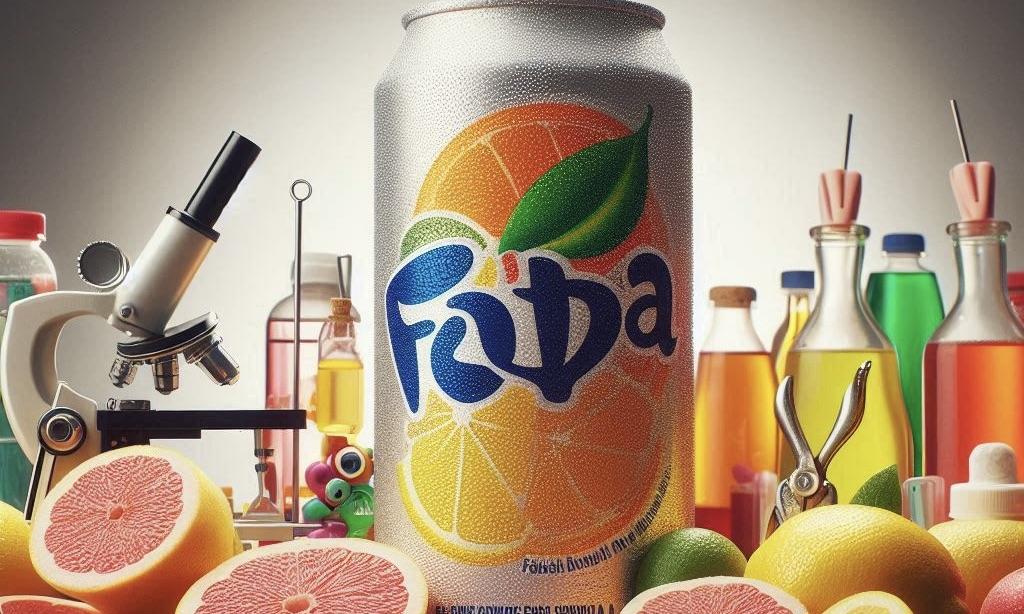
The FDA announced on July 3 that it would revoke the authorization of brominated vegetable oil (BVO) in food, citing health concerns. The ban will take effect on August 2, impacting over 600 products.
FDA Revokes Authorization of BVO in Beverages Citing Health Risks, Effective August 2
The agency had previously authorized using the ingredient in small quantities to prevent the citrus flavor from separating and floating to the top of certain beverages. However, in 1970, the FDA determined that the ingredient was no longer "Generally Recognized As Safe," an official designation of the FDA, and began overseeing its use under its food additive regulations.
According to the FDA's advisory on July 3 (via US Today), the "intended use of BVO in food is no longer considered safe" following the findings of studies conducted in collaboration with the National Institutes of Health, which revealed the potential for "adverse effects in humans."
"The removal of the only authorized use of BVO from the food supply was based on a thorough review of current science and research findings that raised safety concerns," said Jim Jones, Deputy Commissioner for Human Foods, in the news release.
"We will continue to monitor emerging evidence on the chemicals we have targeted for reassessment, and in cases such as this, where the science no longer supports continued authorized use, we will take action to protect public health," Jones added.
The California Food Safety Act, passed in October last year, prohibited certain ingredients in California. In contrast, BVO has already been banned in Europe and Japan.
Over 600 Products May Contain BVO Despite FDA Ban, USDA Database Reveals
According to U.S. Department of Agriculture data, more than 600 branded products may still contain BVO. The agency's "Global Branded Food Products Database" relies on companies submitting their nutrition information voluntarily. Consequently, the Center for Science in the Public Interest, a food and health watchdog, has expressed skepticism regarding the veracity of the listings.
The USDA's database documents numerous regional beverages and grocery store soda brands that may also contain BVO.
“Sun Drop, manufactured by Keurig Dr Pepper, still uses BVO ... This is probably the biggest national brand that still uses it,” CFRA Research’s Arun Sundaram told Reuters on July 2.
"We are actively reformulating Sun Drop to no longer include this ingredient and will remain compliant with all state and federal regulations," a KDP spokesperson told USA TODAY in an emailed statement on July 3.
Consumers Advised to Check Labels for BVO in Citrus Drinks and Off-Brand Sodas
To determine whether a product contains BVO, consult its ingredient list.
Thomas Galligan, Ph.D., principal scientist for food additives and supplements at the Center for Science in the Public Interest, informed Today that drinks that contain BVO would specify a specific type of oil, such as soybean, and the term "brominated vegetable oil" or "brominated" in the ingredient list.
According to Today, Galligan provided additional guidance on identifying BVO:
- It's most common in citrus-flavored drinks.
- If the drink looks cloudy throughout the bottle, it may contain BVO.
- Generic, off-brand sodas are likelier to have BVO than name brands.
- If you're drinking fountain soda in a restaurant, they usually carry name brands, so the risk of having BVO is lower, but ask a restaurant worker about the brand and ingredients if you're concerned.
Coca-Cola and PepsiCo Reformulate Beverages to Remove BVO Following FDA Health Concerns
According to the FDA, numerous beverage manufacturers have altered their formulations to substitute BVO with an alternative ingredient.
Coca-Cola and PepsiCo announced in 2014 that they would eliminate BVO from all their beverages, following PepsiCo's agreement to eliminate it from Gatorade in 2013.
USA TODAY verified in a 2020 fact check that PepsiCo no longer incorporates the ingredient into Mountain Dew, even though it was present in the beverage for a few years following 2014.
What Is BVO?
BVO is a vegetable oil that has been bromine-modified, as per the Food and Drug Administration. It was employed as a "stabilizer for fruit flavoring in beverages" in small quantities, with a maximum of 15 parts per million, to prevent the citrus flavoring from floating to the top.
The FDA published a study in May 2022 that assessed the potential health consequences of BVO consumption in rodents. The agency evaluated the quantities of BVO in the animal diet and brominated fats in the tissues of the test animals employed in the study. The agency stated that it administered BVO to test animals in quantities that "replicated real-world exposure."
The study's data indicate that oral exposure to BVO is associated with elevated tissue levels of bromine and that the thyroid is a target organ of "potential negative health effects in rodents" at high levels of exposure.
Photo: Microsoft Bing













