


 U.S. 10-Year Treasury Yield Hits 2007 High as Fed Rate Hike Bets Rise
  Oil Prices Jump 3% as Houthi Attack Revives Supply Fears
  US Backs Musk in Fight Against EU’s €120 Million X Fine
  Wall Street Ends Flat as Oil, Treasury Yields and Fed Jitters Rattle Markets
  Ghana Says Western Support Growing for Slave Trade Reparations
  Russian Envoy Dmitriev Heads to US for Ukraine Talks
  Asian Currencies Mixed as Dollar Holds Near Two-Month High
  Dollar Hits Two-Month High as Fed Rate Hike Bets Rise
  Wall Street Falls as Treasury Yields Surge, Oil Rebounds on Iran Tensions
  Sudan Rejects US Legitimacy Remarks, Defends Sovereignty
  North Korea Rejects Nuclear Test Warning, Calls Nuclear Status Irreversible
  Gold Prices Fall as Treasury Yields Rise on Fed Rate Hike Bets
  France Defends Netanyahu Airspace Clearance Despite ICC Warrant
  US, China Extend Trade Truce to Jan. 10 Ahead of Trump-Xi Summit
  Japan Private-Sector Growth Slows as Domestic Demand Weakens
  Judge Orders Trump to Restore White House Access for CNN, MS NOW and Politico


 Add as a preferred source on Google
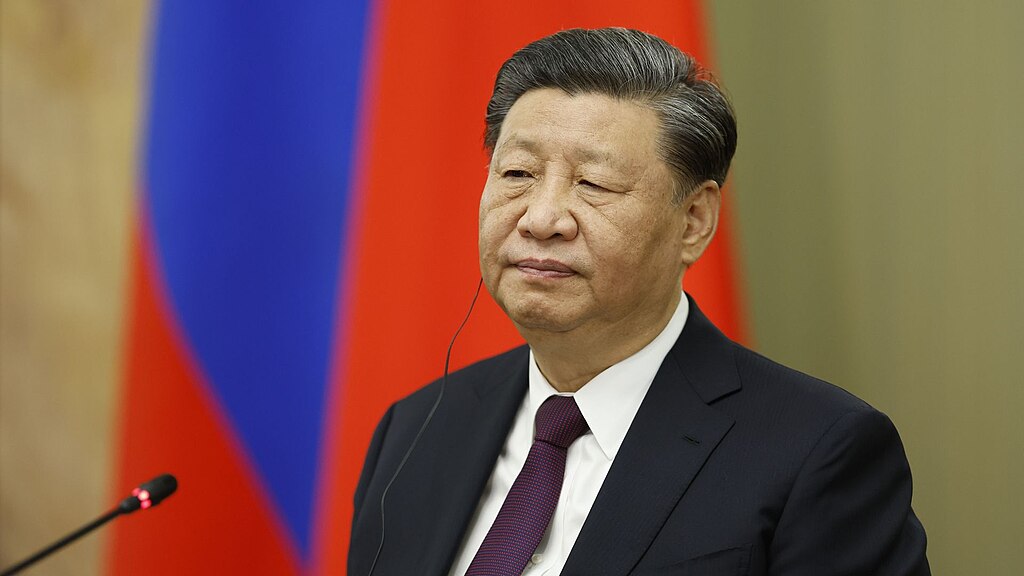
China's President Xi Jinping has outlined a bold strategy to transform the country's service industry, calling for a demand-led approach supported by structural reform and technological innovation. The directive was reported by state media outlet Xinhua following a high-level national service industry conference held in Beijing over two days.
Speaking through an official statement delivered to conference attendees, Xi emphasized the need to cultivate stronger "China service" brands that can compete on a global scale. His vision centers on elevating production-oriented services toward greater specialization and positioning them higher along the global value chain — a clear signal that Beijing views service-sector advancement as central to its long-term economic ambitions.
The conference, which brought together key policymakers and industry stakeholders, reflects growing recognition within China's leadership that the service economy must evolve beyond its current state. Rather than relying solely on manufacturing and exports, China is now actively steering resources and policy attention toward service-based growth as a driver of sustainable development.
Xi's remarks underscore a strategic pivot that aligns with broader goals around economic self-sufficiency and quality-driven growth. By integrating cutting-edge technology with service delivery and pushing for sector-wide reforms, Beijing aims to boost productivity, improve consumer experiences, and establish internationally recognized service brands rooted in Chinese innovation.
This development comes at a time when global competition in the services space is intensifying, with nations racing to capture greater value in areas such as digital services, logistics, finance, and professional consulting. China's renewed focus on this sector signals that it intends to be a dominant force, not just in goods, but in the full spectrum of the modern economy.
The initiative is expected to shape China's economic policy direction in the months ahead, with further reforms likely to follow.







