


 Netanyahu’s Brief US Trip Highlights Strains With Trump
  Abbas Reaffirms November 28 Palestinian Elections
  Trump Administration Removes Confederate Memorial Criticism From Arlington Website
  DOJ Will Investigate AI-Related Crimes, Attorney General Blanche Says
  Netanyahu Defends Israel at UN as Delegates Stage Walkout
  EU Defence Build-Up Too Slow for 2030 Russia Readiness Goal
  US Resumes Immigrant Visa Processing for Hungary, Poland
  Judge Orders Trump to Restore White House Access for CNN, MS NOW and Politico
  Sudan Rejects US Legitimacy Remarks, Defends Sovereignty
  Trump Administration Plans Faster FDA Reviews for Smoke-Free Nicotine Products
  Trump Asks Supreme Court to Restore Third-Country Deportations
  Russian Missile and Drone Attack on Kyiv Kills Two, Damages Maternity Hospital
  US Senate Rejects Iran War Powers Resolution in 50-49 Vote
  US Backs Musk in Fight Against EU’s €120 Million X Fine
  North Korea Warns South Korea Over US-Led Defense Role
  ICE Agent Arrested in Minneapolis Over Venezuelan Man Shooting
  China Tightens Fentanyl Rules Ahead of Trump-Xi Summit


 Add as a preferred source on Google
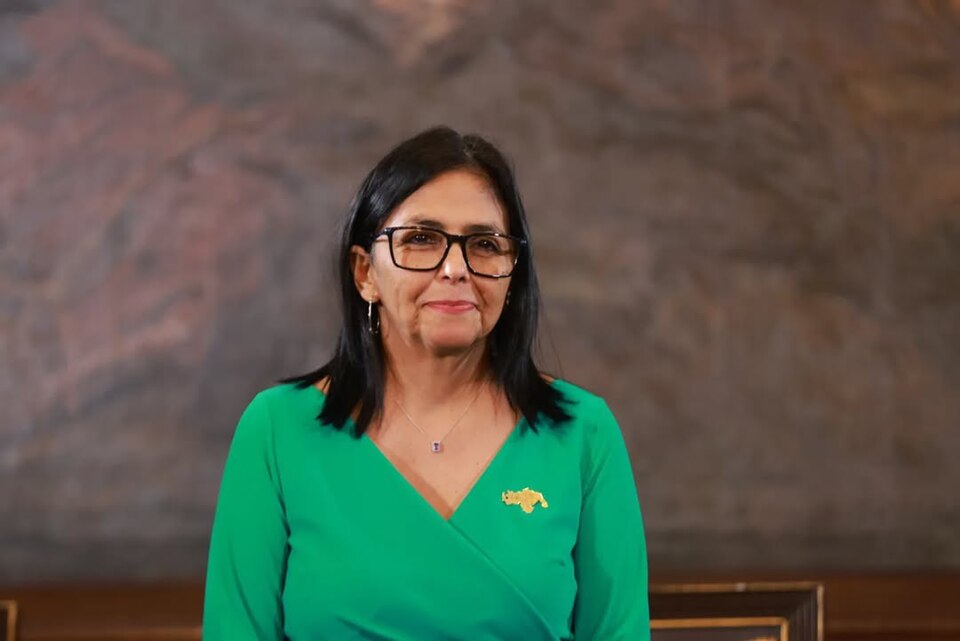
The United States has officially removed sanctions against Venezuelan interim President Delcy Rodriguez, according to the U.S. Treasury Department website. The move comes less than three months after American forces captured then-President Nicolás Maduro in a raid on Caracas, marking a dramatic turning point in U.S.-Venezuela relations.
The Trump administration has been actively engaging with Rodriguez's interim government since the political transition began. Diplomatic efforts have included negotiations over a U.S.-Venezuela oil sales agreement, alongside the issuance of sanctions waivers designed to encourage American investment in the oil-rich South American nation. Lifting sanctions on Rodriguez signals a broader strategic shift in Washington's approach to Venezuelan governance and economic relations.
Maduro's capture on January 3 triggered a rapid succession of political changes across Venezuela. The former authoritarian leader, once firmly in control of the country, now faces serious federal charges in New York alongside his wife, Cilia Flores. Both are standing trial on drug trafficking allegations, a development that has reshaped the political landscape both domestically in Venezuela and across Latin America.
Rodriguez, a former close ally of Maduro, has since taken the helm of the interim government. Her administration appears to be actively seeking legitimacy through cooperation with the United States, a stark contrast to the confrontational stance that defined the Maduro era. This diplomatic realignment could open the door to greater foreign investment and potential economic recovery for a country that has long suffered under years of mismanagement and international isolation.
Venezuela's communications ministry, which manages all official press inquiries on behalf of the government, had not responded to requests for comment at the time of publication. Analysts are closely monitoring how this sanctions relief will influence both regional stability and the broader energy market going forward.







