


 California Drivers Sue BP, Walmart, 7-Eleven Over Alleged AI Gas Price Fixing
  US Tightens AI Chip Export Rules, Impacting Nvidia and AMD Sales to Chinese Firms
  NTSB Investigates Boston Logan Airport Near-Miss Between Delta and American Airlines Jets
  Los Angeles World Cup Security Plans: No ICE Immigration Enforcement at FIFA 2026 Matches, Officials Say
  Apollo Debt Solutions Limits Redemptions as Withdrawal Requests Surge
  100+ Global Companies Push Governments to Prioritize Electrification for Economic Growth
  Anthropic AI Model Uncovers Vulnerabilities in Classified U.S. Government Systems During Security Test
  DOJ Sues Virginia Over Law Enforcement Mask Ban
  RFK Jr. Orders Extended Hantavirus Quarantine for Cruise Passenger
  US Expands Iran Sanctions, Targets Major Crypto Exchanges and Individuals
  Bolivia Declares State of Emergency as Roadblock Crisis Deepens
  Ryan Cohen Rejects GameStop Pay Package, Prepares New eBay Acquisition Plan
  Australia Eases Capital Gains Tax Reforms to Support Small Businesses and Startups
  US House Approves $70 Billion Immigration Enforcement Funding Bill, Ending Congressional Deadlock
  NHTSA Investigates Fatal Tesla Model 3 Crash in Texas Amid Ongoing Autopilot and FSD Safety Scrutiny
  Trump Administration Delays DeepSeek and CXMT Trade Blacklist Designations Amid U.S.-China Tensions
  Trump’s Quantum Push Lifts IBM Stock as CEO Arvind Krishna Receives White House Praise


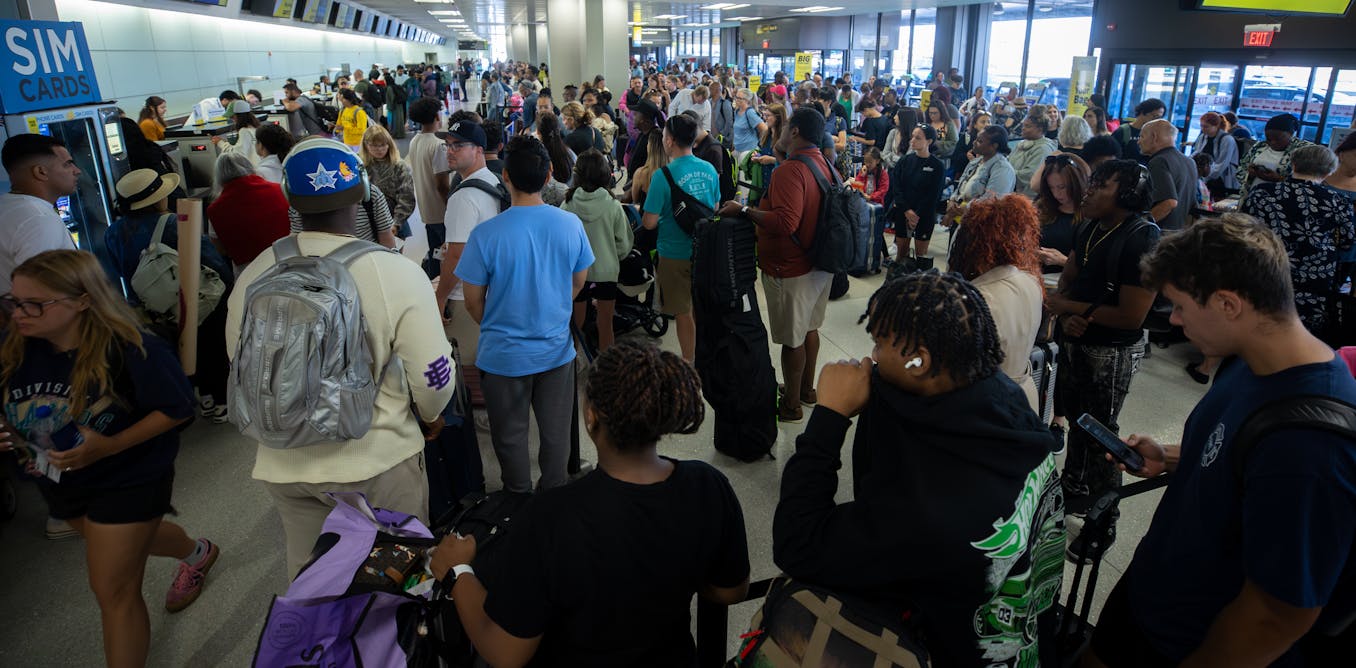
Flights at Newark Liberty International Airport were briefly halted on Sunday due to a new telecommunications issue at the Philadelphia Terminal Radar Approach Control (TRACON), the FAA confirmed. The incident led to a short ground stop to verify backup systems were functioning properly, temporarily slowing arrivals and departures. Operations resumed soon after.
This marks the third outage in recent weeks, following a radar and telecom blackout on Friday and a major disruption on April 28. The recurring failures are drawing attention to the aging infrastructure of the U.S. air traffic control system.
Transportation Secretary Sean Duffy has proposed a multibillion-dollar modernization plan over the next 3–4 years. Speaking on NBC’s Meet the Press, he emphasized safety, stating, “We slow it down to keep people safe,” and promised rapid upgrades to enhance Newark’s system resilience.
Newark Liberty, located just miles from New York City, has also been grappling with runway construction, equipment failures, and a shortage of air traffic controllers. The FAA relocated Newark’s airspace oversight to Philadelphia last year to address congestion and staffing challenges.
Senate Majority Leader Chuck Schumer called for immediate action, urging the FAA to bypass bureaucratic delays and prioritize Newark. Some air traffic controllers reportedly took stress leave after the April 28 disruption.
In response, the FAA is increasing staffing, adding three high-bandwidth telecom links, and installing a temporary backup system while transitioning to a fiber-optic network. The agency also plans to meet with major airlines to discuss potential temporary flight reductions, as United Airlines—the airport’s largest carrier—pushes for tighter flight limits due to ongoing delays.
Currently, the FAA is operating with 3,500 fewer controllers than needed, prompting calls for urgent funding and reform.







