


 Trump Asks Supreme Court to Restore Third-Country Deportations
  SMBC Eyes 20% VPBank Stake in Vietnam Expansion
  US Backs Musk in Fight Against EU’s €120 Million X Fine
  Oil Prices Jump 3% as Houthi Attack Revives Supply Fears
  Oil Prices Ease as Iran Tensions Clash With Diplomacy Hopes
  Abbas Reaffirms November 28 Palestinian Elections
  Novo Nordisk Strikes €1.17 Billion Nanexa Drug Delivery Deal
  U.S. Imposes New Visa Restrictions Over South Africa Policies
  Former OpenAI Data Center Chief Chris Malone Joins Nvidia
  Meta Found Liable in New Mexico Facebook Data Privacy Case
  Oracle Shares Fall as New Mexico AI Data Center Faces Power Delays
  Asian Stocks Fall as Bond Yields Surge Ahead of Trump-Xi Summit
  Japanese Bank Stocks Surge as Bond Yields Fuel Rate Hike Bets
  Dubai’s connectivity remains strong in an uncertain world
  JPMorgan Names Lavatelli Japan Chief in Leadership Shake-Up
  White House Bars CNN, MS NOW and Politico Reporters
  Canada Unveils Bill to Fast-Track Major Resource Projects


 Add as a preferred source on Google
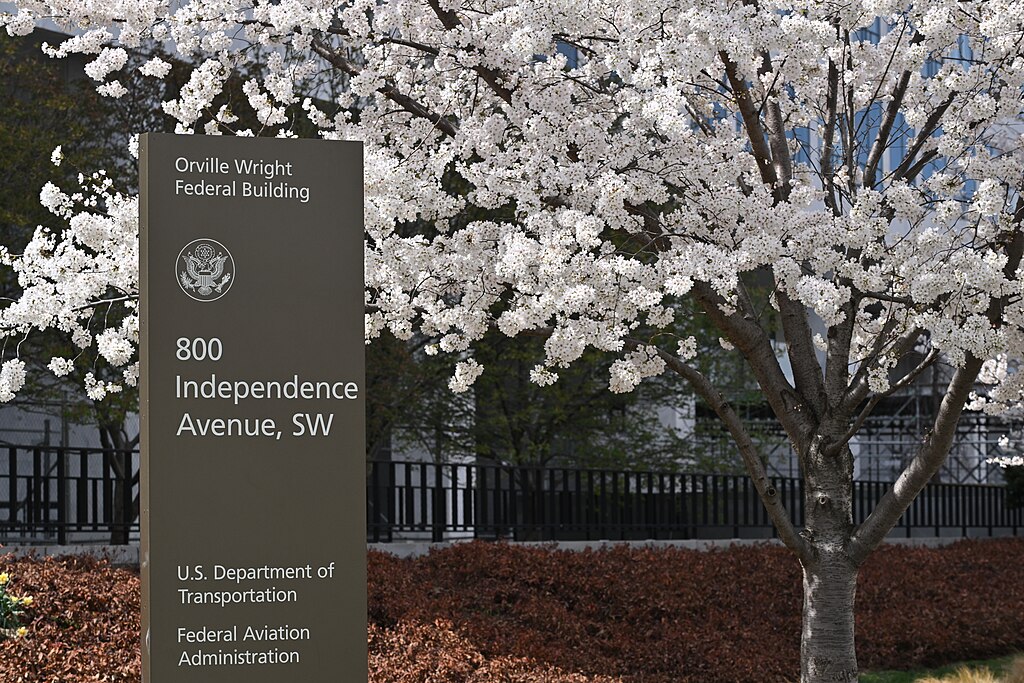
The Trump administration has reduced government-imposed flight cuts at 40 major U.S. airports to 6%, signaling improving air traffic conditions as the record-long government shutdown draws to a close. The Federal Aviation Administration (FAA) previously ordered steeper reductions—8% for Thursday and 10% for Friday—but decided to ease restrictions after a sharp decline in air traffic control absences.
According to the FAA, “The 6% hold will remain in place as the agency continues to evaluate system stability before restoring full operations.” Data from FlightAware showed that airlines canceled around 900 flights on Wednesday, the fewest in nearly a week. Air traffic controller absences, which had caused widespread disruptions earlier, now account for just 1% of delays, compared to 5% before the shutdown.
The FAA faces a staffing shortfall of about 3,500 controllers, many of whom have been working extended shifts and six-day weeks. Despite these challenges, airlines are optimistic. “If trends continue improving, we expect normal operations to resume soon,” said Transportation Secretary Sean Duffy. Southwest Airlines and Delta Air Lines both expressed confidence that flight operations would stabilize within days of the shutdown ending.
Flight disruptions have already taken a heavy toll, with tens of thousands of cancellations since the 43-day shutdown began on October 1. Over the past weekend alone, 1.2 million passengers were affected by delays and cancellations. Many air traffic controllers missed work due to financial strain, often taking second jobs or struggling with child care costs.
Duffy announced that controllers would receive 70% of their back pay within 48 hours once the government reopens. A Senate subcommittee is set to review the shutdown’s impact on aviation safety next Wednesday.







