


 Jensen Huang Urges Taiwan Suppliers to Boost AI Chip Production Amid Surging Demand
  Amazon Stock Rebounds After Earnings as $200B Capex Plan Sparks AI Spending Debate
  SoftBank Shares Slide After Arm Earnings Miss Fuels Tech Stock Sell-Off
  Alphabet’s Massive AI Spending Surge Signals Confidence in Google’s Growth Engine
  Palantir Stock Jumps After Strong Q4 Earnings Beat and Upbeat 2026 Revenue Forecast
  Instagram Outage Disrupts Thousands of U.S. Users
  SpaceX Seeks FCC Approval for Massive Solar-Powered Satellite Network to Support AI Data Centers
  Nvidia, ByteDance, and the U.S.-China AI Chip Standoff Over H200 Exports
  Tencent Shares Slide After WeChat Restricts YuanBao AI Promotional Links
  AMD Shares Slide Despite Earnings Beat as Cautious Revenue Outlook Weighs on Stock
  Elon Musk’s SpaceX Acquires xAI in Historic Deal Uniting Space and Artificial Intelligence
  Nvidia CEO Jensen Huang Says AI Investment Boom Is Just Beginning as NVDA Shares Surge
  Sam Altman Reaffirms OpenAI’s Long-Term Commitment to NVIDIA Amid Chip Report
  Nvidia Confirms Major OpenAI Investment Amid AI Funding Race
  Baidu Approves $5 Billion Share Buyback and Plans First-Ever Dividend in 2026
  Nintendo Shares Slide After Earnings Miss Raises Switch 2 Margin Concerns


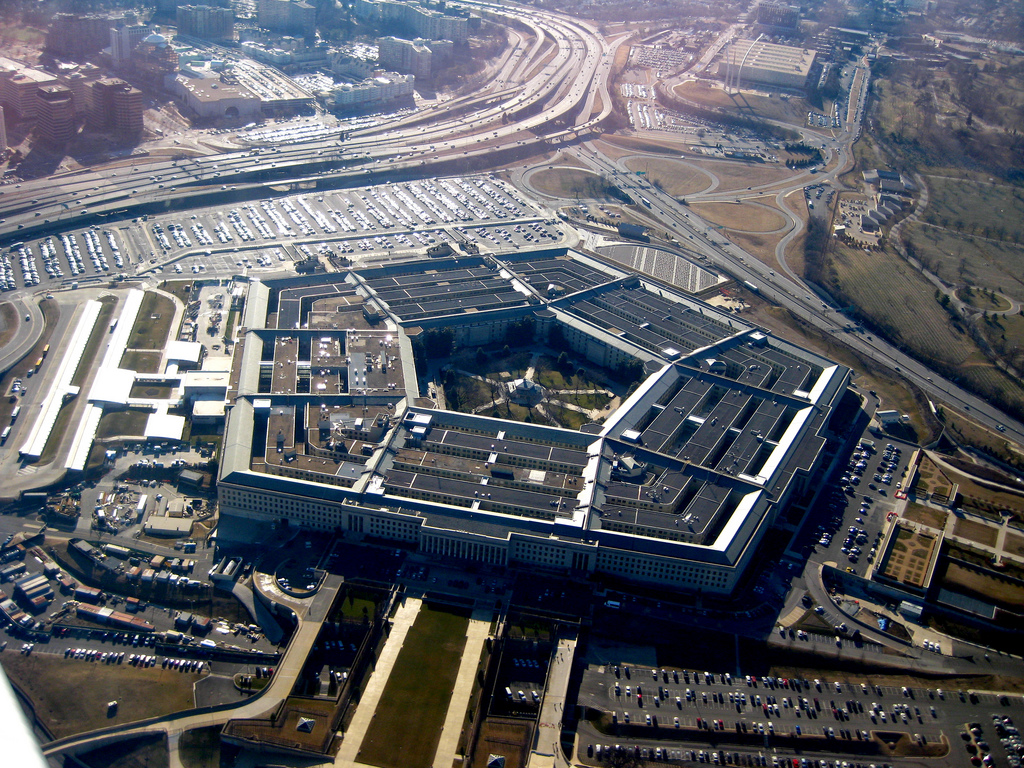
For years, the fear of automation has been centered in the private sector, with civilian workers expressing worry and anger that robots were replacing them. Now, even those employed by the Pentagon are starting to feel anxious over the same possibilities. As the defense agency looks to using artificial intelligence to boost areas like data imagery analytics, the humans who are already doing those jobs are now afraid of their livelihood being placed on the chopping block.
Speaking recently to Foreign Policy, the director of the National Geospatial-Intelligence Agency (NGA) Robert Cardillo said that he was optimistic about the addition of smart machines into their corner. The NGA is basically responsible for analyzing photos, be it from satellites or other sources, and then forming conclusions based on that data. For example, they could warn if there is an impending terrorist activity or if there is a natural disaster on the way.
Right now, a majority of the data analysis is being done by humans who are literally going through tons of photos in order to get a feel for the broader picture. Since a lot of this is about data processing, it was perhaps inevitable that the prospect of bringing in AI would be proposed.
With machine learning and computer vision advancing at a breakneck pace in practically every corner of the tech industry, more and more jobs are now at risk of becoming obsolete. However, in the case of intelligence gathering, some experts are expressing concern about relying too much on AI.
One expert in the field who is worried about overreliance on machines is Francisco Nix. As an imagery analysis instructor in the aerospace department of Northland Community and Technical College, Nix is someone who understands the job of analyzing photos. In an email to Futurism, he writes that machines should only be an asset to help the humans, not replace them.
“The information still has to be seen by an analyst and confirmed, edited, or discarded. I think Mr. Cardillo knows this – he also knows the overwhelming information available to him and the demand for analysis. He wouldn’t be doing his job without moving forward with what AI or machine learning has to offer NGA and DoD,” the email reads.













