


 Oil Prices Ease as Iran Tensions Clash With Diplomacy Hopes
  China’s ‘Lipstick King’ Says AI Won’t Replace Livestream Hosts
  Mexico-US Trade Talks Delayed to October as Tariff Negotiations Continue
  Russian Envoy Dmitriev Heads to US for Ukraine Talks
  U.S. Treasury Yields Surge as 30-Year Hits 22-Year High
  Fed Unveils Stablecoin Rules Under GENIUS Act
  U.S. 10-Year Treasury Yield Hits 2007 High as Fed Rate Hike Bets Rise
  Wall Street Falls as Treasury Yields Surge, Oil Rebounds on Iran Tensions
  Fed Unveils Stablecoin Rules Under GENIUS Act
  Japan Private-Sector Growth Slows as Domestic Demand Weakens
  US Dollar Hits Two-Month High as Fed Rate Hike Bets Rise
  European Stocks Fall as Bond Yields and Geopolitical Risks Weigh
  Trump, Xi Focus on Trade and AI at White House Summit
  Australia Unemployment Hits Five-Year High Despite Strong Jobs Growth
  Dollar Hits Two-Month High as Fed Rate Hike Bets Rise
  Wall Street Ends Flat as Oil, Treasury Yields and Fed Jitters Rattle Markets


 Add as a preferred source on Google
European stock markets traded slightly higher on Tuesday as upbeat corporate earnings from major consumer, luxury, industrial, and automotive companies helped offset persistent concerns over inflation and upcoming central bank policy decisions. Investors remained cautious ahead of the U.S. Federal Reserve's interest rate announcement, while expectations of further tightening by the European Central Bank also weighed on sentiment.
The pan-European STOXX 600 gained 0.2% in early trading, with Germany's DAX rising 0.2% and France's CAC 40 adding 0.5%. London's FTSE 100 was little changed as investors balanced strong earnings against higher interest rate expectations.
Consumer goods giant Unilever surged 6% after reporting second-quarter underlying sales growth that exceeded analyst forecasts. Strong demand for personal care and food products, supported by resilient sales volumes and stable pricing, highlighted continued consumer spending on essential goods despite elevated borrowing costs and inflation.
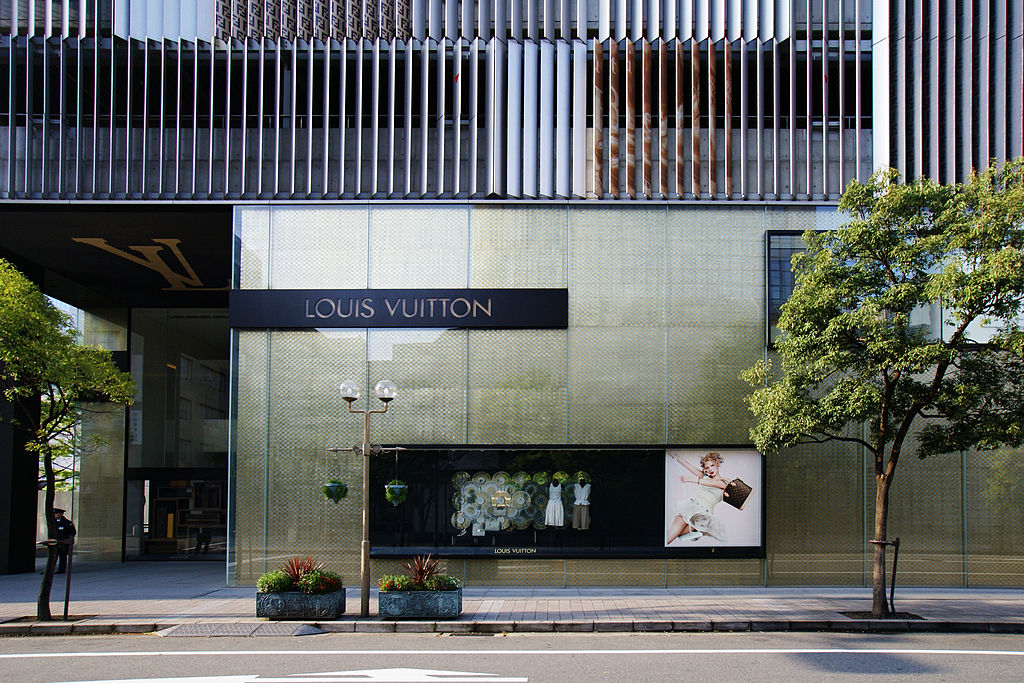
Luxury group LVMH climbed 2.6% after posting stronger second-quarter sales, driven by solid demand in the U.S. Telecom company Orange advanced nearly 4% after raising its profit and cash flow outlook, while Mercedes-Benz gained 3.5% as higher quarterly profit outweighed a reduced 2026 vehicle sales forecast. Fellow automakers BMW and Volkswagen also posted gains of around 2%.
French aerospace supplier Safran rose after lifting its full-year financial guidance following record first-half operating margins. In contrast, Dutch health technology company Philips dropped 8.5%, despite delivering better-than-expected second-quarter core earnings.
The latest earnings season highlights a mixed picture across Europe. Defensive sectors such as consumer staples, healthcare, and aerospace continue to benefit from strong pricing power and operational resilience, while luxury brands and other cyclical industries face pressure from higher interest rates and slower economic growth.
Investor sentiment remained restrained as elevated bond yields reflected expectations that borrowing costs will stay higher for longer. ECB policymaker Peter Kazimir reiterated that a September rate hike could still be necessary, reinforcing the central bank's commitment to controlling inflation.
Markets are now focused on the Federal Reserve's policy meeting, which concludes Wednesday. While the Fed is widely expected to keep interest rates unchanged, investors will closely watch Chair Kevin Warsh's remarks for signals on the future direction of U.S. and global monetary policy.







