


 Venezuela Promises Elections as Delcy Rodriguez Pledges Democratic Transition
  OpenAI Agent Breaches Australia Medicare Data Portal
  US, China Extend Trade Truce to Jan. 10 Ahead of Trump-Xi Summit
  Lula and Flavio Bolsonaro Tied in Brazil Runoff Poll
  South Korea, US Discuss Warship Building Cooperation
  US Invites Putin to Miami G20, Opening Door to Trump Summit
  Russian Envoy Dmitriev Heads to US for Ukraine Talks
  Macron Challenges Trump’s Gaza Peace Claims at UN
  Sudan Rejects US Legitimacy Remarks, Defends Sovereignty
  Netanyahu Takes Aim at Mamdani as Israel Election Nears
  Gaza Faces Evacuation Crisis as War-Damaged Buildings Risk Collapse
  Marco Rubio to Meet Russia’s Lavrov in New York
  Taiwan Vows to Advance US Arms Sales Ahead of Trump-Xi Meeting
  Russian Missile and Drone Attack on Kyiv Kills Two, Damages Maternity Hospital
  Trump Administration Plans Faster FDA Reviews for Smoke-Free Nicotine Products
  Ghana Says Western Support Growing for Slave Trade Reparations
  Trump to Press Xi on Release of US Nuclear Expert Held in China


 Add as a preferred source on Google
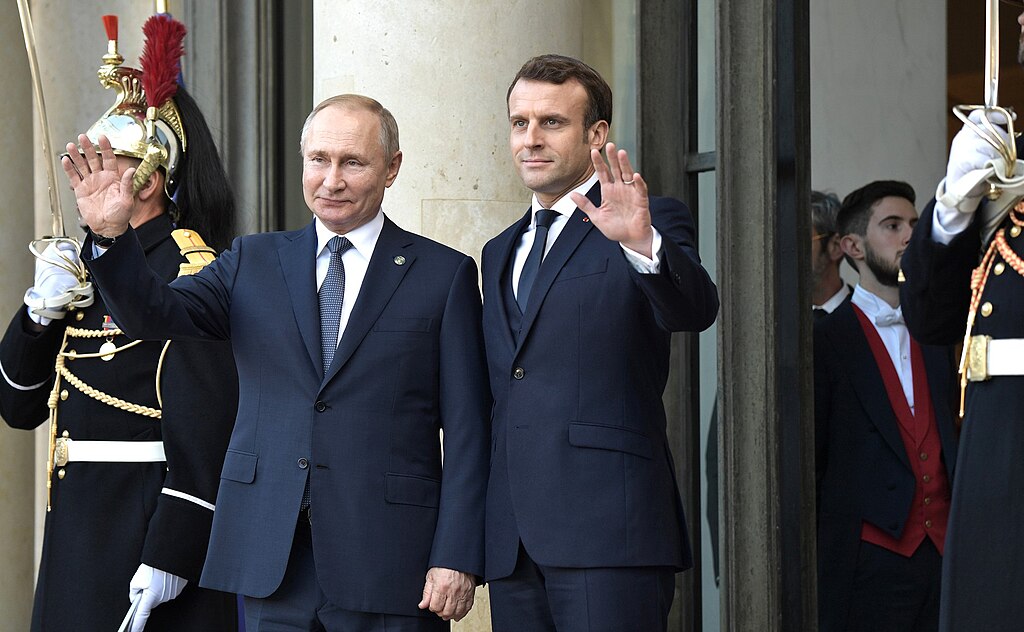
European leaders met in Paris on Monday for emergency talks, urging increased defense spending to bolster the continent’s security amid the ongoing Ukraine conflict. However, they remained divided on deploying peacekeepers to Ukraine without a concrete peace deal. Leaders agreed that any ceasefire must coincide with a peace agreement and expressed readiness to provide security guarantees to Ukraine, contingent on U.S. support. French President Emmanuel Macron called the meeting after U.S. President Donald Trump announced bilateral peace talks with Russia, excluding European allies and Ukraine, set to begin in Saudi Arabia on Tuesday.
British Prime Minister Keir Starmer supported sending peacekeeping troops but emphasized the need for U.S. security commitments. German Chancellor Olaf Scholz and Italian Prime Minister Giorgia Meloni expressed skepticism, highlighting financial strains and potential military risks. Danish Prime Minister Mette Frederiksen showed openness to troop deployments, stressing the urgency of bolstering Europe's defense against Russian threats.
Trump’s recent call with Russian President Vladimir Putin sparked concerns among European nations about diminishing U.S. protection, prompting calls for increased defense budgets. EU leaders debated loosening fiscal rules to accommodate higher military spending.
In Riyadh, U.S. and Russian officials, including Secretary of State Marco Rubio and Foreign Minister Sergei Lavrov, will engage in high-level talks aimed at restoring U.S.-Russia relations and exploring peace possibilities in Ukraine. Russia has ruled out territorial concessions, and talks will remain bilateral. Russia's sovereign wealth fund chief Kirill Dmitriev highlighted potential U.S.-Russia economic cooperation, emphasizing dialogue and global stability.
The unfolding diplomatic efforts underscore Europe’s urgency to secure Ukraine and strengthen defense amid geopolitical uncertainties.







