


 US Invites Putin to Miami G20, Opening Door to Trump Summit
  Ghana Says Western Support Growing for Slave Trade Reparations
  Gaza Faces Evacuation Crisis as War-Damaged Buildings Risk Collapse
  Pezeshkian Says US Must Choose When Iran War Ends
  France Defends Netanyahu Airspace Clearance Despite ICC Warrant
  Yemen Violence Displaces 130,000 as Civilian Toll Rises
  Trump Asks Supreme Court to Restore Third-Country Deportations
  NATO Boosts Intelligence Sharing Amid Russia Hybrid Threats
  Trump, Xi Focus on Trade and AI at White House Summit
  EU Defence Build-Up Too Slow for 2030 Russia Readiness Goal
  Taiwan Thanks US for Support Ahead of Trump-Xi Summit
  Netanyahu’s Brief US Trip Highlights Strains With Trump
  North Korea Rejects Nuclear Test Warning, Calls Nuclear Status Irreversible
  Mexico-US Trade Talks Delayed to October as Tariff Negotiations Continue
  Sudan Rejects US Legitimacy Remarks, Defends Sovereignty
  Russian Envoy Dmitriev Heads to US for Ukraine Talks
  Europe Warns Russia Is Escalating Hybrid Attacks Across NATO


 Add as a preferred source on Google
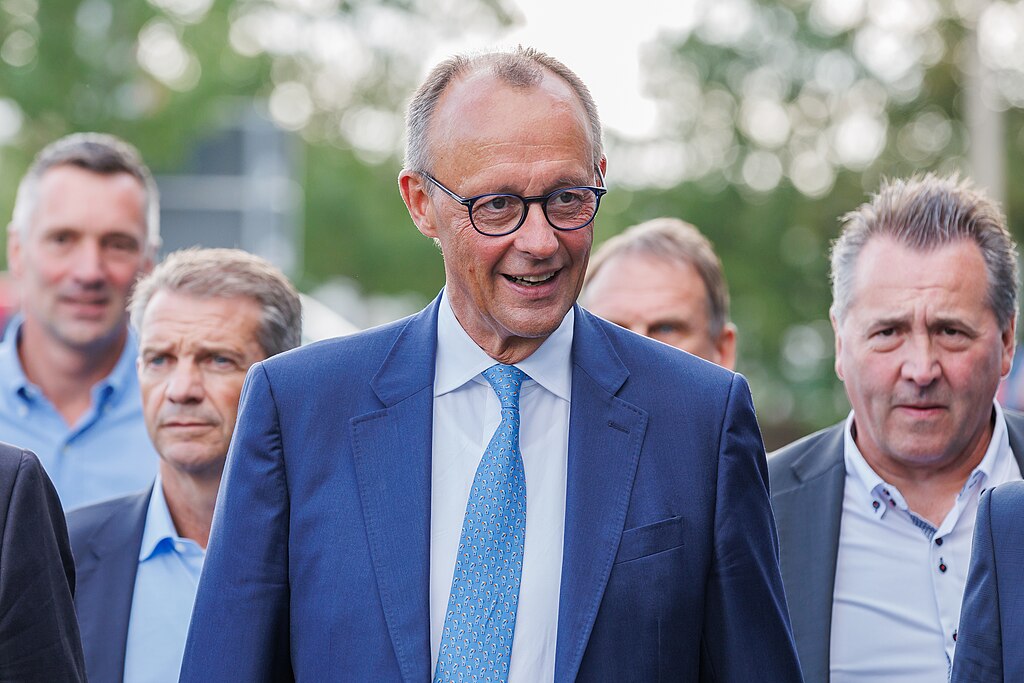
European leaders are openly distancing themselves from the U.S.-Israeli military campaign against Iran, marking one of the most significant breaks in transatlantic relations in recent memory. Despite pressure from President Donald Trump, key allies including Germany, France, the UK, and Spain have refused to participate in military operations or join efforts to secure the Strait of Hormuz by force.
German Chancellor Friedrich Merz, known for his pro-American stance, delivered unusually candid remarks to lawmakers, stating that Europe was never consulted about the military campaign and sees no clear strategy behind it. His defence minister echoed this sentiment bluntly, saying the conflict is simply not Europe's to fight. French President Emmanuel Macron aligned closely with this position, distancing Paris from any direct involvement in the ongoing hostilities.
The Strait of Hormuz, through which roughly a fifth of the world's oil supply passes, sits at the centre of the crisis. While Trump urged allies to help reopen it by military means, European nations are instead pursuing diplomatic and coalition-based alternatives. France is reportedly building a multinational escort framework — one that deliberately excludes the United States — involving European, Asian, and Gulf Arab partners.
Public sentiment across Europe heavily favours non-intervention. Polls show 68% of Spaniards, 58% of Germans, and nearly half of Britons oppose the war. Political leaders, even those traditionally critical of their governments, have rallied around the stance of non-participation.
Underlying these tensions are deeper concerns: Europe fears being sidelined on Ukraine, pressured into unfavourable trade terms, and drawn into a conflict with no defined endgame. EU foreign policy chief Kaja Kallas captured the broader European mood, saying the bloc has learned to stay composed in the face of unpredictability and remain focused on its own strategic interests.







