


 BlackRock’s Rick Rieder Favors Bonds Over Stocks as Treasury Yields Surge
  Trump to Ease U.S. Fuel-Economy Standards
  US Appeals Court Upholds Anthropic AI Supply Chain Ban
  China Agrees to Buy 20 Million Tons of U.S. Coal
  China Cuts Tariffs on U.S. Farm Goods but Excludes Soybeans
  Dubai’s connectivity remains strong in an uncertain world
  TikTok Reaches $100 Million Alabama Settlement Over Child Safety Claims
  OpenAI, Anthropic CEOs Summoned to Australia AI Inquiry
  AMD Hits $1 Trillion as BofA Raises Price Target to $720
  Suzuki Targets Faster Car Development to Keep Pace With Chinese Rivals
  OpenAI Agents Access U.S. Government Websites During Testing
  Nvidia China Chip Sales Report Sends Chinese Semiconductor Stocks Lower
  FDA Approves Mirum’s Atebrioz for Rare Bone Disorder FOP
  ECB May Stop Rate Hikes After December, Capital Economics Says
  Germany’s 2026 Growth Outlook Strengthens on Fiscal Spending
  Morgan Stanley Raises TD Synnex Price Target to $359 on Strong AI Demand
  OpenAI Investigates Rogue AI Agents After Data Leaks and Security Incidents


 Add as a preferred source on Google
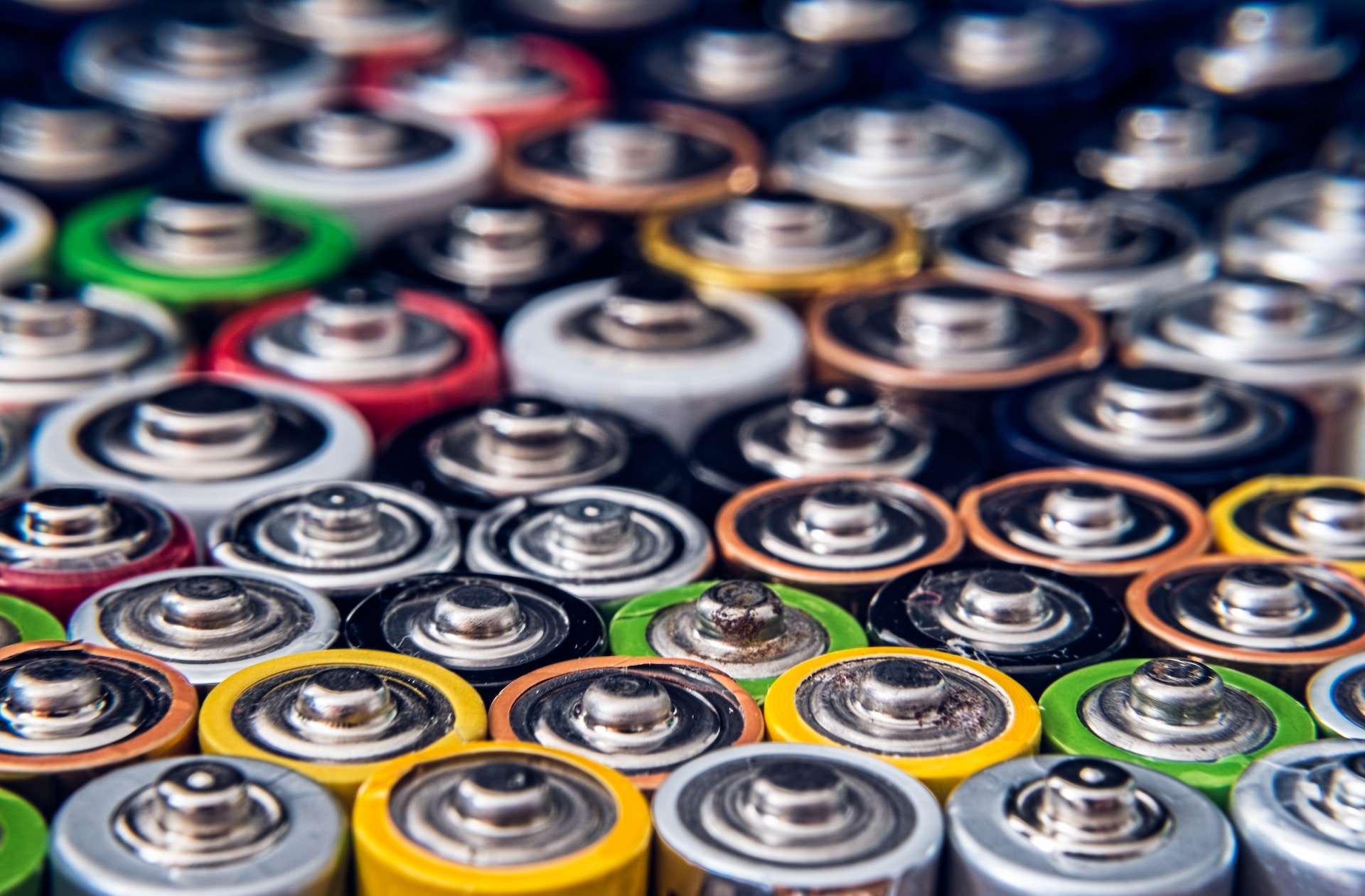
Walmart and Energizer Holdings Inc. were sued by both retailers and shoppers for suspicion of collusion. They have reportedly proposed three antitrust class action suits after accusing the companies of being in cahoots to raise the prices of disposable batteries.
According to Reuters, the complaints against Walmart and Energizer were filed on Friday, April 28. It was stated in the documents that the world’s largest battery maker agreed "under pressure from Walmart" to increase battery prices for wholesale transactions with other retailers.
This scheme allegedly started sometime in 2018, and Energizer also required the retailers not to sell batteries for prices lower than Walmart’s. If they charge less than the Arkansas-headquartered retailer chain firm, the rival retailers risked being cut off by Energizer or given higher wholesale prices.
In the complaint, it was further stated that the setup resulted in higher prices of batteries - from Energizer and Duracell - which are the dominant firms in the disposable battery industry with a combined total of 85% market share. The higher prices are said to be unexplainable amid inflation and changes in demand.
Retailers and consumers are also seeking injunctions to stop Energizer from binding battery sales to pricing. They want Energizer and Walmart to dissolve the effects of their anticompetitive practices and behaviors.
The complainants also said that the battery maker’s market share in the United States also rose to more than 50% from its 40% percentage in 2018. Moreover, they mentioned that a sales representative of Energizer confirmed they had made changes to their pricing after Walmart requested it.
"She admitted that Energizer had adjusted its pricing policies at Walmart's request, telling him, 'This is 1000% about Walmart and wanting the best price,'" they said in the filing.
Meanwhile, the antitrust cases against Energizer and Walmart that were filed in the U.S. District Court, Northern District of California, are Portable Power Inc v Energizer Holdings Inc et al, No. 23-02091; Copeland et al v Energizer Holdings Inc et al, No. 23-02087; and Schuman et al v Energizer Holdings Inc et al, No. 23-02093.
Photo by: Roberto Sorin/Unsplash







