


 Taiwan Thanks US for Support Ahead of Trump-Xi Summit
  Trump Scales Back Endangered Species Act Protections
  Venezuela Promises Elections as Delcy Rodriguez Pledges Democratic Transition
  Marco Rubio to Meet Russia’s Lavrov in New York
  Judge Orders Trump to Restore White House Access for CNN, MS NOW and Politico
  US Resumes Immigrant Visa Processing for Hungary, Poland
  Trump Administration Removes Confederate Memorial Criticism From Arlington Website
  Synthetic data could ease people’s concerns about privacy breaches. But who gets to create it?
  Russian Envoy Dmitriev Heads to US for Ukraine Talks
  White House Bars CNN, MS NOW and Politico Reporters
  Macron Challenges Trump’s Gaza Peace Claims at UN
  China Tightens Fentanyl Rules Ahead of Trump-Xi Summit
  US Bans Canadian Alcohol, Motorcycles as Trade War Escalates
  Trump Board of Peace Unveils $2.45 Billion Gaza Recovery Plan
  Taiwan Vows to Advance US Arms Sales Ahead of Trump-Xi Meeting
  Trump Bans CNN, MS NOW and Politico From White House
  FCC Approves Foreign Investment in $110B Paramount-Warner Bros. Deal


 Add as a preferred source on Google
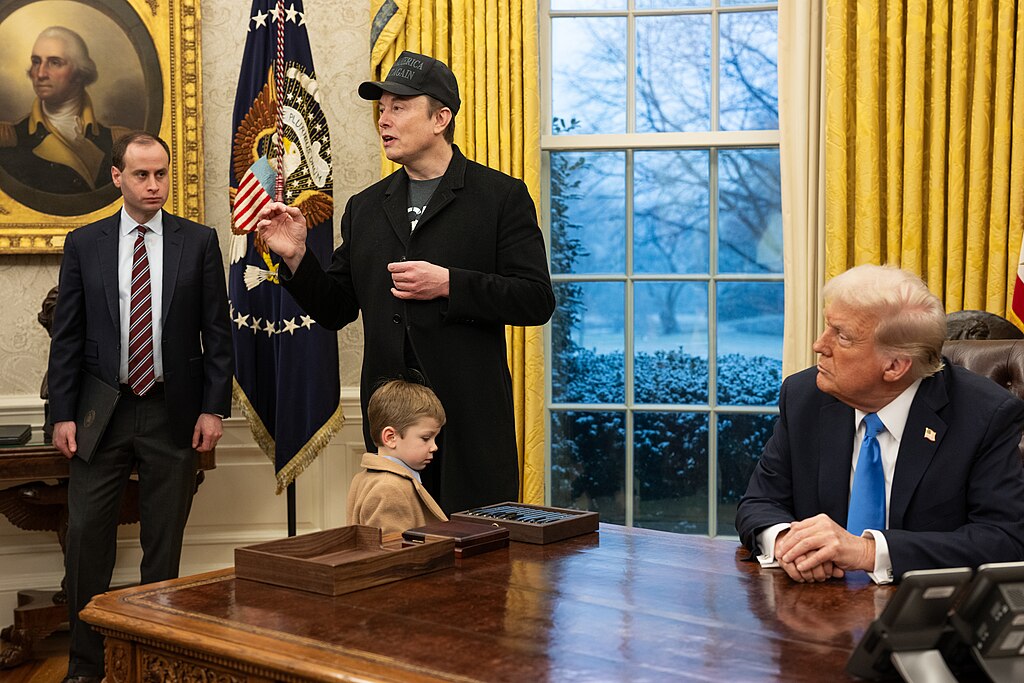
Elon Musk, appointed by President Donald Trump to lead the newly formed Department of Government Efficiency (DOGE), has reignited tensions by threatening to fire federal employees who fail to justify their jobs. His directive, issued via email, demanded responses from workers or risk termination, despite the U.S. Office of Personnel Management (OPM) advising that compliance was voluntary.
Musk defended his mandate on X, arguing that submitting a simple response was a basic test of competence. However, legal challenges emerged as labor unions filed lawsuits, claiming his actions violated employment laws. Some federal agencies, including the Department of Justice and the Pentagon, advised employees to ignore Musk’s demand, while others, like the Transportation and Treasury Departments, encouraged compliance.
The downsizing initiative has led to over 20,000 job cuts, impacting government operations and contractors. Trump's administration has simultaneously halted billions in foreign aid and dismantled key agencies, such as USAID, leaving critical supplies stranded. The government has faced setbacks, including scrambling to rehire essential staff overseeing nuclear security and health crises.
Despite legal obstacles, Musk continues to champion the downsizing, even brandishing a chainsaw at a political event. A federal judge recently blocked his team from accessing sensitive government data, fueling further debate over his authority. As turmoil unfolds, Trump's endorsement of Musk’s aggressive approach has only intensified the controversy, underscoring the administration’s radical push to reshape the federal workforce.







