


 Republican Lawmaker Introduces AI Incident Reporting Bill to Strengthen U.S. AI Safety
  DOJ Clears Paramount Skydance-Warner Bros. Discovery Merger Without Conditions
  Meta Reportedly Developing ‘Arena’ Prediction Market App to Rival Polymarket and Kalshi
  FedEx Stock Drops After Weak 2026 Earnings Forecast Despite Strong Q4 Results
  ICC Judges Sue Trump Administration Over Sanctions, Calling Measures Unlawful
  Alphabet Replaces Verizon in Dow Jones Industrial Average
  Today’s space race could turn fatal if we don’t agree on new rules
  Brazil Supreme Court Convicts Eduardo Bolsonaro Over U.S. Lobbying Efforts
  OpenAI IPO Delay Weighs on SoftBank Shares as AI Valuation Concerns Grow
  Samsung, SK Hynix to Unveil Record AI and Semiconductor Investment Plans Worth Over $646 Billion
  SpaceX Stock Rebounds After Sharp Selloff, But Valuation Concerns Persist
  Micron Stock Surges on Strong AI Demand, Record Revenue, and Bullish Q4 Forecast
  Bayer Wins Major U.S. Supreme Court Roundup Lawsuit, Shares Surge
  Anthropic AI Model Uncovers Vulnerabilities in Classified U.S. Government Systems During Security Test
  Fortescue Faces Class Action Over Sexual Harassment Claims at Australian Mining Sites
  Kioxia Targets U.S. Listing as AI Chip Boom Accelerates


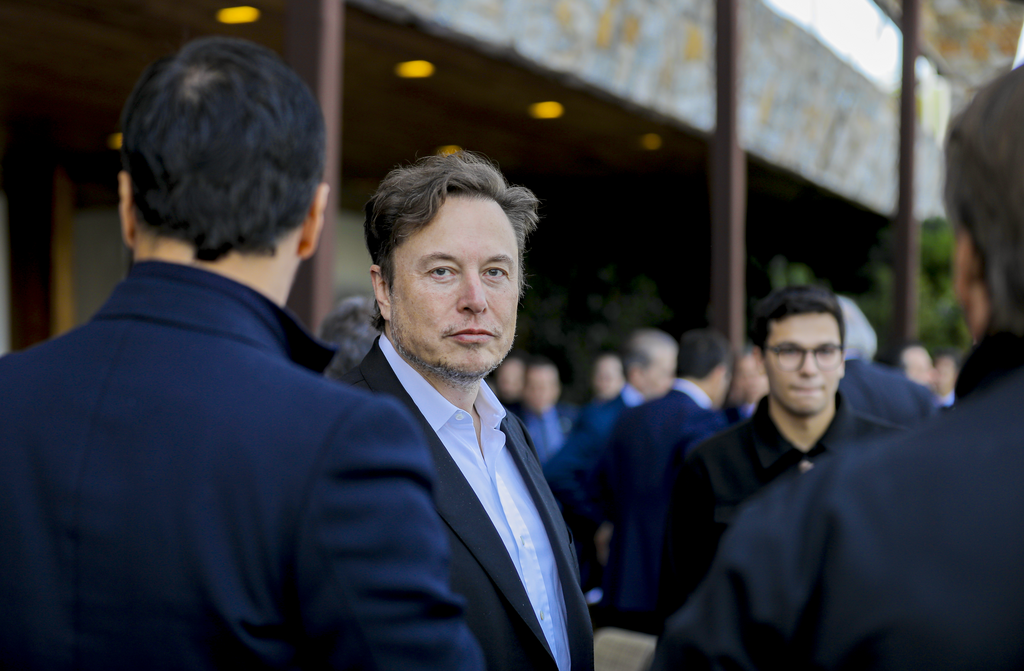
Elon Musk has escalated his legal battle against OpenAI and Microsoft, seeking up to $134 billion in damages over what he claims are “wrongful gains” stemming from his early involvement in the artificial intelligence company. According to a federal court filing submitted on Friday, Musk argues that both companies financially benefited from his foundational contributions to OpenAI, which he co-founded in 2015.
In the filing, Musk estimates that OpenAI gained between $65.5 billion and $109.4 billion due to his early financial backing, influence, and credibility. Microsoft, a major partner and investor in OpenAI, is alleged to have gained between $13.3 billion and $25.1 billion from those same contributions. Musk is asking the court to order disgorgement of those gains, meaning he believes he is entitled to reclaim the profits that resulted from his support.
Musk claims he contributed approximately $38 million, accounting for around 60% of OpenAI’s early seed funding. Beyond capital, he says he played a key role in recruiting early talent, connecting OpenAI’s founders with influential contacts, and lending legitimacy to the organization during its formative years. His argument compares his role to that of an early startup investor who later benefits from exponential growth.
The lawsuit centers on Musk’s allegation that OpenAI violated its original nonprofit mission by restructuring into a for-profit entity, a move he says contradicts the organization’s founding principles. OpenAI has rejected the claims, calling the lawsuit baseless and characterizing it as part of a broader harassment campaign. Microsoft has also denied wrongdoing, with its legal counsel stating there is no evidence the company aided or abetted any alleged misconduct.
A judge in Oakland, California, recently ruled that the case will proceed to a jury trial, which is expected to begin in April. The filing notes that Musk may also seek punitive damages and a potential injunction if the jury finds OpenAI or Microsoft liable. Financial economist C. Paul Wazzan calculated the disputed gains as an expert witness for Musk.
Musk left OpenAI in 2018 and now leads xAI, the company behind the competing AI chatbot Grok, further intensifying interest in this high-profile legal dispute.







