


 South Korea, US Discuss Warship Building Cooperation
  Trump Says ‘Freedom’ Is Coming to Cuba
  Venezuela Promises Elections as Delcy Rodriguez Pledges Democratic Transition
  Trump Says U.S.-Iran Peace Deal Near After UN Talks
  Gaza Faces Evacuation Crisis as War-Damaged Buildings Risk Collapse
  US, China Extend Trade Truce to Jan. 10 Ahead of Trump-Xi Summit
  Russian Strikes Kill Eight Across Ukraine as Energy Sites Hit
  Canada Unveils Bill to Fast-Track Major Resource Projects
  Ghana Says Western Support Growing for Slave Trade Reparations
  Burnham Eyes UK Leadership Role in AI Ahead of Trump Meeting
  Trump Board of Peace Unveils $2.45 Billion Gaza Recovery Plan
  Lula and Flavio Bolsonaro Tied in Brazil Runoff Poll
  Trump to Press Xi on Release of US Nuclear Expert Held in China
  US Officials Split Over Response to Israeli West Bank Settlements
  Macron Challenges Trump’s Gaza Peace Claims at UN
  Russian Envoy Dmitriev Heads to US for Ukraine Talks
  Taiwan Vows to Advance US Arms Sales Ahead of Trump-Xi Meeting


 Add as a preferred source on Google
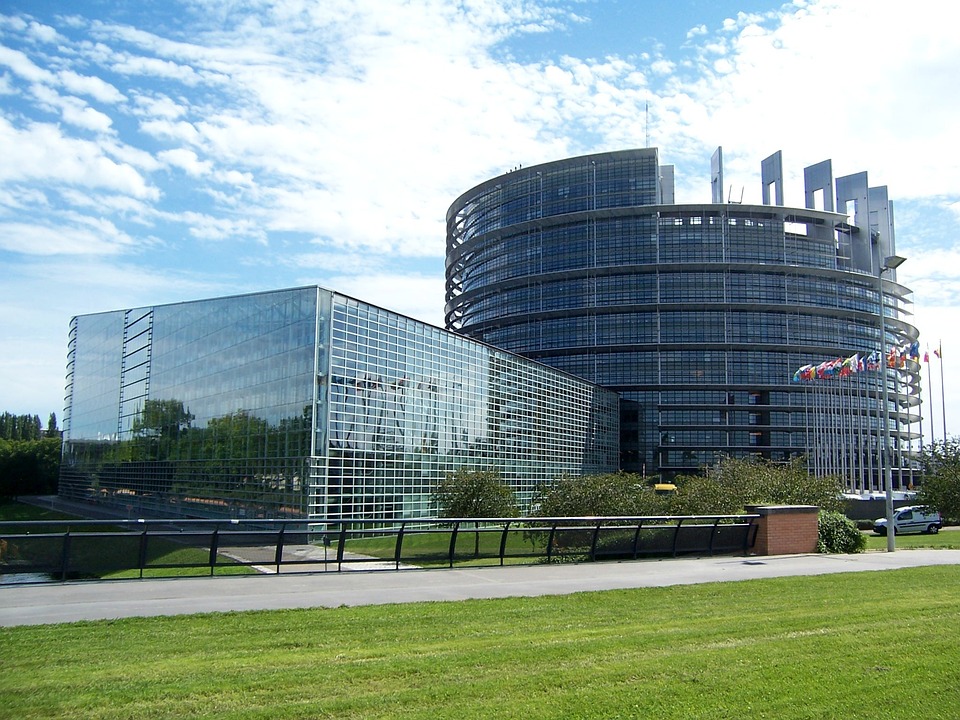
In an effort to actively combat climate change, the countries in the European Union have all agreed to adopt a mechanism that would impose carbon dioxide emissions tariffs. The tariffs would target imports of polluting goods.
The EU countries have agreed to adopt a mechanism that would impose tariffs on imported polluting goods such as iron, steel, cement, fertilizers, aluminum, and electricity. The mechanism, also known as the Carbon Border Adjustment Mechanism, will target the industrial imports of the 27 member countries of the EU, with the highest polluting products first.
The deal to adopt the mechanism was reached Tuesday in Brussels and would require companies, both domestic EU and overseas firms, to buy certificates to cover the embedded carbon dioxide emissions. Companies outside the EU are already required to obtain permits from the EU carbon market before they pollute.
“CBAM will be a crucial pillar of European climate policies,” said European Parliament member Mohammed Chahim from the Netherlands, in a statement issued by the parliament. “It is one of the only mechanisms we have to incentivize our trading partners to decarbonize their manufacturing industry.”
Chahim said that it would allow the bloc to “apply the ‘polluter pays’ principle to our industry.”
The goal of the mechanism is that European companies would not be undercut by cheaper goods that are produced in countries with weaker environmental rules. The deal also includes imported hydrogen that was initially not proposed by the bloc but lawmakers have pushed for during negotiations. Some details on the mechanism have yet to be determined this week in related negotiations related to the reform of an EU carbon market.
On the same day, the bloc’s foreign ministers have agreed to grant Bosnia candidate status to join the EU. This would put the Balkan nation on the road to membership.
Russia’s invasion of Ukraine has prompted the EU to consider expansion toward the eastern European countries. The willingness comes as the bloc is concerned that Russia and China may attempt to spread their influence into the Balkan regions should the countries hoping to join the bloc are thwarted.







