


 Iran Vows ‘Crushing’ Response as US Talks Continue
  Canada Unveils Bill to Fast-Track Major Resource Projects
  Macron, Trump Discuss Ukraine-Russia Energy Strike Moratorium
  Trump Says U.S.-Iran Peace Deal Near After UN Talks
  Venezuela Promises Elections as Delcy Rodriguez Pledges Democratic Transition
  Scott Bessent Eyed as Trump’s New AI Czar
  Vietnam, US Trade Deal Could Be Signed Soon, To Lam Says
  Russian Envoy Dmitriev Heads to US for Ukraine Talks
  Marco Rubio to Meet Russia’s Lavrov in New York
  Gaza Faces Evacuation Crisis as War-Damaged Buildings Risk Collapse
  Europe Warns Russia Is Escalating Hybrid Attacks Across NATO
  Trump Board of Peace Unveils $2.45 Billion Gaza Recovery Plan
  Ghana Says Western Support Growing for Slave Trade Reparations
  US Invites Putin to Miami G20, Opening Door to Trump Summit
  US Officials Split Over Response to Israeli West Bank Settlements
  US, China Extend Trade Truce to Jan. 10 Ahead of Trump-Xi Summit
  China Tightens Fentanyl Rules Ahead of Trump-Xi Summit


 Add as a preferred source on Google
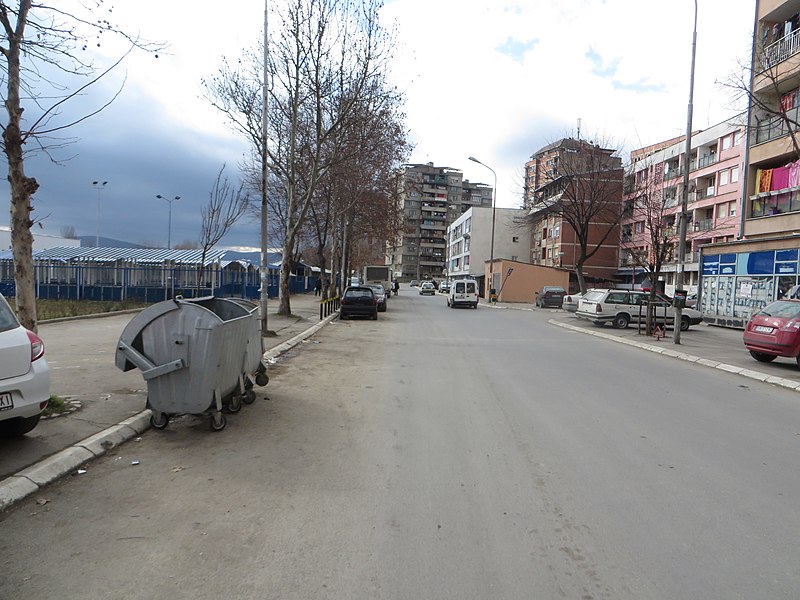
Police officers of the European Union have undertaken patrols in northern Kosovo following the resignation of hundreds of Serb police officers. The mass resignation of the Serb officers follows the license plate dispute between Kosovo and Serbia amid fears by the West that it would restart ethnic violence.
The EU’s 130 police officers from Poland and Italy have begun patrolling northern Kosovo over the weekend. The patrols by EU officers follow the mass resignation of around 600 Serb police officers in protest of the car license plate dispute between Belgrade and Pristina. Serb judges, prosecutors, and other state employees also resigned earlier this month in protest, as Pristina ruled that all the local Serbs must replace their car license plates with ones issued in Kosovo.
Serbia does not recognize Kosovo’s authorities after it declared independence in 2008. Serbs in northern Kosovo also do not recognize Kosovan authorities.
The 130 EU officers are patrolling three municipalities in Kosovo where there is no local police presence. The officers, however, have no powers of arrest, but the bloc wants their presence to fill the security vacuum.
The European Union and the United States are looking to find a solution by Monday as Kosovo’s Prime Minister Albin Kurti said that drivers that still use old Serbia-issued license plates would be fined. Local Serbs have refused to change their license plates. Friday last week, the bloc invited Kurti and Serb President Aleksandar Vucic for urgent talks in Brussels, but neither side has confirmed their attendance.
The US and the EU have urged Kosovo to delay the implementation of the new policy, but Kurti has not signalled his intention to do so.
In other related news, the bloc’s climate policy chief Frans Timmermans warned that the bloc was ready to walk away from climate negotiations if there is no satisfactory outcome. However, Timmermans said he believed a deal could still be made Saturday during the COP27 climate summit in Egypt.
Timmermans also called on the others involved in the negotiations to also make the same efforts to find a deal, especially on the issue of funding poorer countries that have been affected by climate-related calamities.







