


 Samsung, SK Hynix to Unveil $1.3 Trillion AI and Semiconductor Investment Plan
  Kioxia Targets U.S. Listing as AI Chip Boom Accelerates
  Doncasters Raises $919 Million in NYSE IPO as Aerospace Growth Accelerates
  Gold Prices Drop as Fed Rate Outlook and Iran Tensions Weigh on Market
  Bayer Wins Major U.S. Supreme Court Roundup Lawsuit, Shares Surge
  Gold Price Hits Annual Low as Fed Rate Hike Bets and Sticky Inflation Weigh on Bullion
  Australia Plans Higher Fines for Social Media Firms Failing to Block Underage Users
  OpenAI IPO Delay Weighs on SoftBank Shares as AI Valuation Concerns Grow
  Open-Source AI Models Gain Ground as Enterprises Seek Lower-Cost Alternatives, Citi Says
  US Stock Futures Rise as US-Iran Ceasefire Hopes Boost Market Sentiment
  China Sets 1.25% Overnight Reverse Repo Rate Below Market Expectations
  Pedro Sanchez’s Wife Ordered to Stand Trial in Spain Corruption Case
  Apple Challenges India Antitrust Probe, Says CCI Copied Rivals’ Claims in App Store Case
  South Korea Ex-President Yoon Suk Yeol Sentenced to 30 Years Over Martial Law Plot
  Supreme Court Backs Lisa Cook, Defends Federal Reserve Independence Against Trump Firing Attempt
  SpaceX, Charter Communications Explore Mobile Partnership to Expand Starlink Wireless Service
  Samsung, SK Hynix to Unveil Record AI and Semiconductor Investment Plans Worth Over $646 Billion


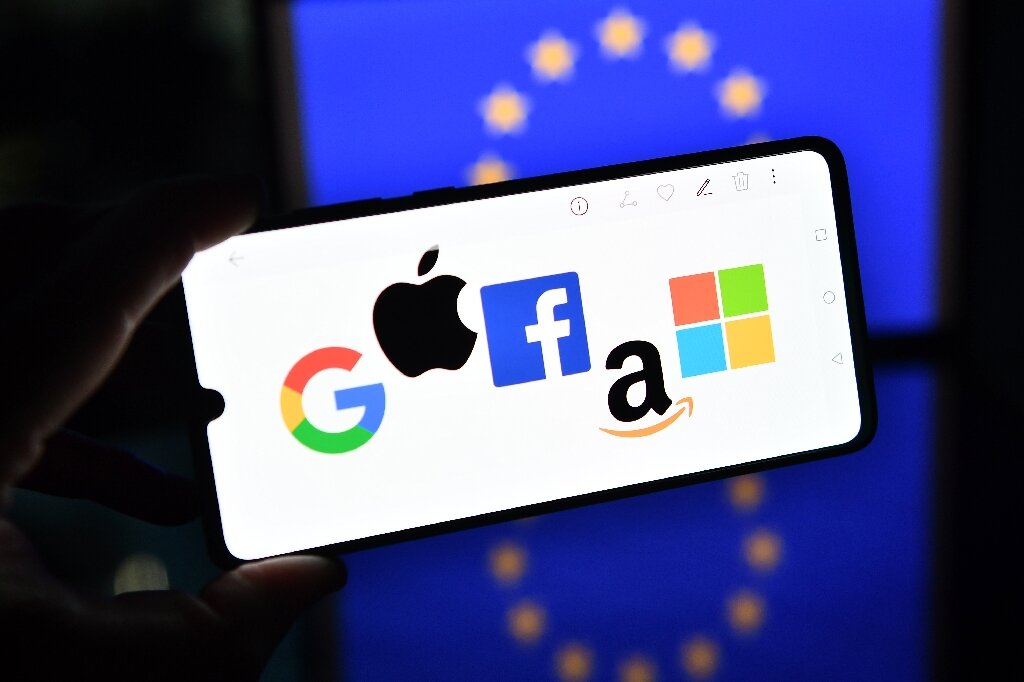
The European Union (EU) member states agreed on the wording of its landmark digital rules dubbed the Digital Markets Act (DMA), to rein in online “gatekeepers" such as Google and Facebook parent Meta.
The agreement among EU officials is part of a long-awaited overhaul of its digital rulebook.
The DMA seeks to prevent tech giants from dominating digital markets by threatening them with whopping fines or even the possibility of a company breakup.
The act imposes tighter restrictions on using people's data for targeted online ads, which is a primary revenue source for Google and Facebook, while different messaging services or social media platforms would be required to work together to avoid the domination of a few companies that have already established big networks of users. That means users of such messaging services as Telegram or Signal will be able to exchange messages with WhatsApp users.
Users would also be allowed to opt-out of online services just as easily as they can sign up.
The DMA disallows big tech companies to rank their products or services higher than those of others in search results.
Essential software or apps such as web browsers can't be installed by default along with the operating system, in the same way, Google's Chrome comes bundled with Android phones. There's also a measure aimed at loosening Apple's stranglehold on iPhone apps through its App Store.
Europe has intensified efforts to curb the power of tech companies through an onslaught of antitrust investigations, stringent regulations on data privacy, and proposed rules for areas like artificial intelligence.
According to the EU's lead lawmaker Andreas Schwab, what they have been deciding will start a new era in tech regulation.
The EU also reached a preliminary agreement with the US that paves the way for Europeans’ data to be stored in the U.S.
The EU’s new set of rules against tech giants, the Digital Services Act, aims to ensure online safety for users through stricter requirements to flag and remove harmful or illegal content or services like hate speech and counterfeit goods. Both the Digital Services Act and Digital Markets Act will take effect by October, said EU competition chief Margrethe Vestager.
The European Consumer Organization, or BEUC, said that the agreement on the Digital Markets Act creates fairer and more competitive digital markets.
Digital rights group EDRi said it will “narrow the power imbalance between people and online platforms."
Apple said parts of the Digital Markets Act will create unnecessary privacy and security vulnerabilities for its users while others will prohibit it from charging for intellectual property.
Meanwhile, Google said it is concerned that some of the rules could reduce innovation and the choice available to Europeans. But it vowed to study the text and work with regulators to implement it.
Amazon also said it is reviewing the rules.







