


 US Backs Musk in Fight Against EU’s €120 Million X Fine
  Trump Asks Supreme Court to Restore Third-Country Deportations
  Ghana Says Western Support Growing for Slave Trade Reparations
  US Stock Futures Fall as Treasury Yields Surge Ahead of Trump-Xi Summit
  Taiwan Thanks US for Support Ahead of Trump-Xi Summit
  Dollar Holds Near Two-Month High as Yen Approaches 160
  Russian Envoy Dmitriev Heads to US for Ukraine Talks
  Netanyahu’s Brief US Trip Highlights Strains With Trump
  Yemen Violence Displaces 130,000 as Civilian Toll Rises
  Saudi Arabia, Turkey and Pakistan Plan Urgent Defence Talks Over Houthi Attacks
  Wall Street Falls as Treasury Yields Surge, Oil Rebounds on Iran Tensions
  Asian Stocks Fall as Bond Yields Surge Ahead of Trump-Xi Summit
  US Senate Rejects Iran War Powers Resolution in 50-49 Vote
  Netanyahu Defends Israel at UN as Delegates Stage Walkout
  European Stocks Fall as Bond Yields and Geopolitical Risks Weigh
  Wall Street Ends Flat as Oil, Treasury Yields and Fed Jitters Rattle Markets
  Netanyahu Takes Aim at Mamdani as Israel Election Nears


 Add as a preferred source on Google
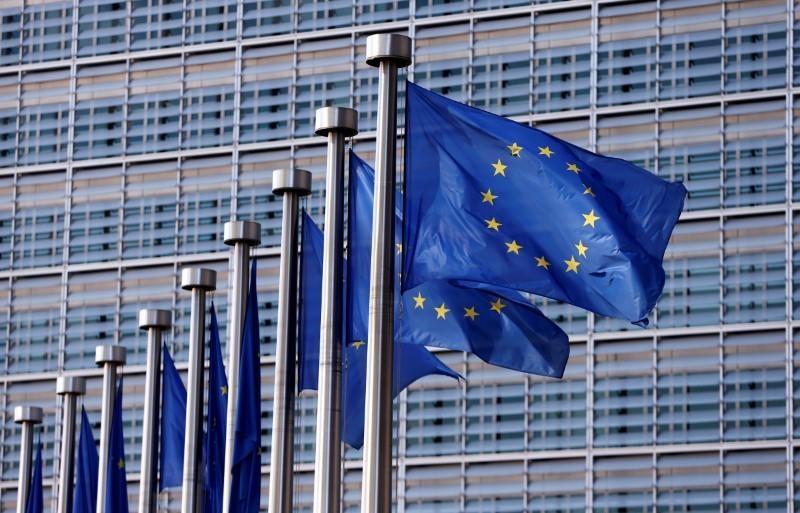
The European Commission has urged the United States to uphold the terms of last year’s EU-U.S. trade deal after the U.S. Supreme Court struck down former President Donald Trump’s global tariffs. The ruling prompted Trump to announce new temporary tariffs of 10% across the board, which were quickly increased to 15%, reigniting tensions in transatlantic trade relations.
As the executive body responsible for trade policy on behalf of the 27 European Union member states, the European Commission called on Washington to provide “full clarity” بشأن its next steps following the court’s decision. EU officials stressed that the current uncertainty threatens the stability of the transatlantic trade agreement reached last year.
Under the existing EU-U.S. trade agreement, most EU goods entering the U.S. market are subject to a 15% tariff, excluding products already covered by sector-specific duties, such as steel. The agreement also established zero tariffs on selected goods, including aircraft and spare parts. In return, the EU reduced or eliminated import duties on various American products and withdrew plans for retaliatory tariffs.
The Commission emphasized that EU exports must continue to receive the “most competitive treatment” outlined in the agreement, without any tariff increases beyond the agreed ceiling. Officials warned that unpredictable tariff policies disrupt global markets, weaken investor confidence, and undermine efforts to maintain fair, balanced, and mutually beneficial trade between the United States and the European Union.
The Commission’s latest statement marks a sharper tone compared to its initial response, which had indicated it was reviewing the Supreme Court ruling while maintaining contact with U.S. authorities. EU Trade Commissioner Maros Sefcovic discussed the matter with U.S. Trade Representative Jamieson Greer and Commerce Secretary Howard Lutnick, highlighting the urgency of preserving stable EU-U.S. trade relations amid renewed tariff uncertainty.
The situation underscores growing concerns over global trade stability and the future of transatlantic economic cooperation.







