


 Yemen Violence Displaces 130,000 as Civilian Toll Rises
  France Defends Netanyahu Airspace Clearance Despite ICC Warrant
  Nvidia-Groq AI Chip Deal Faces U.S. Antitrust Probe
  Russian Missile and Drone Attack on Kyiv Kills Two, Damages Maternity Hospital
  US Bans Canadian Alcohol, Motorcycles as Trade War Escalates
  EU Defence Build-Up Too Slow for 2030 Russia Readiness Goal
  Judge Blocks Trump Rule Limiting Foreign Student Visas
  Who should own the knowledge that underpins AI technology?
  US Senate Rejects Iran War Powers Resolution in 50-49 Vote
  FDA Names Permanent Drug and Biologics Center Chiefs
  What ‘Taiwan Independence’ Means as Xi Presses Trump on US Policy
  Canada Unveils Bill to Fast-Track Major Resource Projects
  Ukrainian Drone Attacks Hit Russian Regions, Injuring at Least 12
  ICE Agent Arrested in Minneapolis Over Venezuelan Man Shooting
  Trump, Xi Visit US National Archives After White House Summit
  FAA Allows Boeing to Sell 35 More 777F Freighters Beyond 2028
  South Korea, US Discuss Warship Building Cooperation


 Add as a preferred source on Google
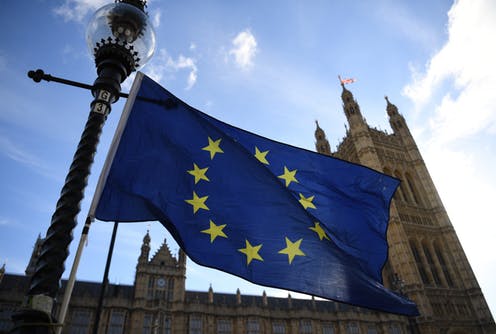
The European Commission has strongly criticized the United States over its decision to impose a visa ban on five European individuals, including former EU Commissioner Thierry Breton, calling the move unjustified and potentially harmful to transatlantic relations. A Commission spokesperson confirmed on Wednesday that the European Union has formally requested clarifications from U.S. authorities regarding the reasons and legal basis for the visa restrictions.
According to the Commission, the U.S. visa ban raises serious concerns about respect for European regulatory autonomy and the principles of cooperation between long-standing allies. The spokesperson emphasized that the EU views the measure as disproportionate and lacking transparency, especially given the high-profile status of the individuals affected and their previous roles in shaping European policy.
The European Commission underlined that it remains committed to constructive dialogue with Washington and hopes the issue can be resolved through diplomatic engagement. However, officials made it clear that the EU is prepared to act if discussions fail to produce a satisfactory explanation. “If needed, we will respond swiftly and decisively to defend our regulatory autonomy against unjustified measures,” the spokesperson stated, signaling that potential countermeasures are not off the table.
The inclusion of Thierry Breton, a former European commissioner known for his role in shaping EU digital and industrial policy, has drawn particular attention. Analysts suggest the visa ban could be linked to broader tensions between the EU and the U.S. over regulation of technology companies, digital markets, and strategic industries. While no official justification has been made public by U.S. authorities, the lack of clarity has fueled speculation and concern across European institutions.
This development comes at a sensitive time for EU-U.S. relations, as both sides continue to cooperate on issues such as trade, security, and global economic stability. European officials stress that unilateral actions like visa bans risk undermining trust and collaboration.
The European Commission reiterated its expectation that partners respect mutual legal frameworks and political independence. As the situation evolves, the EU’s response will likely play a key role in shaping the next phase of transatlantic relations, with close attention from policymakers, businesses, and international observers alike.







