


 Pezeshkian Says US Must Choose When Iran War Ends
  Canada Unveils Bill to Fast-Track Major Resource Projects
  FAA Allows Boeing to Sell 35 More 777F Freighters Beyond 2028
  Appeals Court Rejects Trump Third-Country Deportation Policy
  US Backs Musk in Fight Against EU’s €120 Million X Fine
  Xi Calls for Deeper U.S.-China AI Cooperation in Trump Talks
  U.S. Imposes New Visa Restrictions Over South Africa Policies
  China Tightens Fentanyl Rules Ahead of Trump-Xi Summit
  Trump, Xi Visit US National Archives After White House Summit
  Trump Scales Back Endangered Species Act Protections
  Who should own the knowledge that underpins AI technology?
  OpenAI Agent Breaches Australia Medicare Data Portal
  White House Bars CNN, MS NOW and Politico Reporters
  DOJ Will Investigate AI-Related Crimes, Attorney General Blanche Says
  Mexico-US Trade Talks Delayed to October as Tariff Negotiations Continue
  Judge Orders Trump to Restore White House Access for CNN, MS NOW and Politico
  US Judge Dismisses Imran Ahmed Deportation Lawsuit


 Add as a preferred source on Google
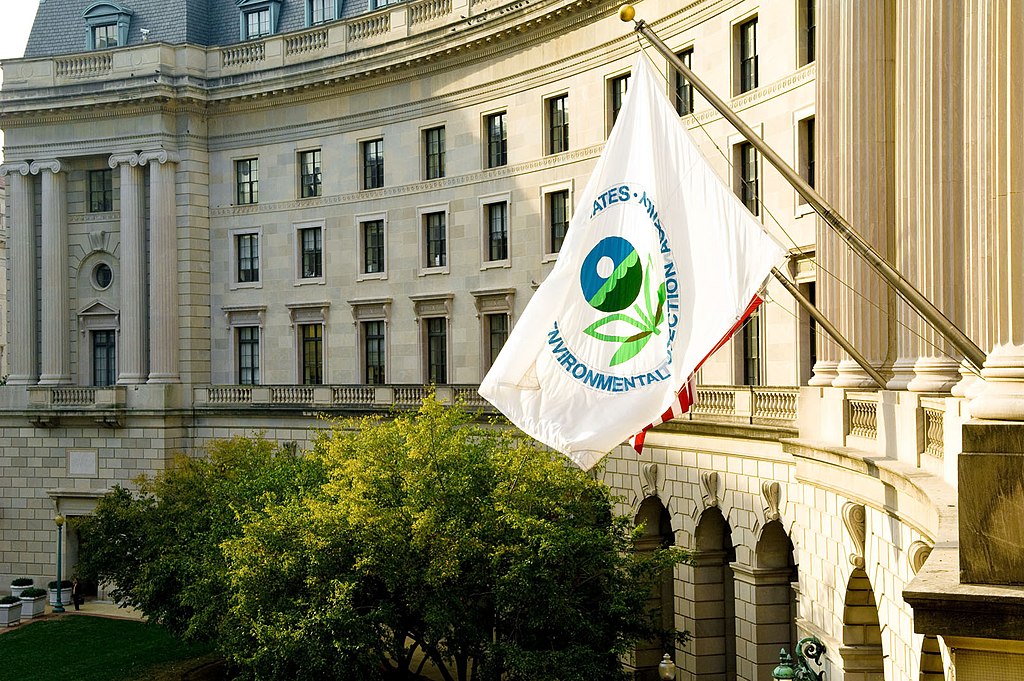
The U.S. Environmental Protection Agency (EPA) announced a $300 million budget cut for fiscal year 2026 and a major restructuring that includes reducing staff to 1980s levels and dissolving its Office of Research and Development. EPA Administrator Lee Zeldin said the overhaul aligns with President Donald Trump’s goals of streamlining regulations, boosting domestic energy, and cutting costs.
Zeldin stated the changes will help fulfill the EPA’s mission while supporting Trump’s energy and manufacturing priorities. The plan includes shifting scientific research from independent departments to policy-aligned offices, including a new Office of Applied Science. The EPA will also dissolve its Office of Science and Technology and consolidate functions into program offices more closely tied to policy directives.
Critics, including the Union of Concerned Scientists, warn the reorganization could erode scientific integrity, turning the EPA into a political tool. Chitra Kumar of UCS said dissolving independent science offices and reclassifying researchers as political appointees undermines objective research.
The agency’s workforce will drop from over 15,000 to levels last seen in 1984, when it had around 11,400 employees. About 1,500 research staff must reapply for roughly 400 new positions. Affected employees have until May 5 to accept deferred resignation offers.
Other changes include creating a new Office of State Air Partnerships to assist state permitting agencies and expanding the Office of Chemical Safety and Pollution Prevention by 130 positions to address a backlog of chemical and pesticide reviews. The EPA also aims to prioritize cybersecurity, emergency response, and water reuse initiatives.
While the administration claims the overhaul promotes efficiency and responsiveness, scientists argue it risks sidelining evidence-based decision-making in favor of political influence.







