


 US, China Extend Trade Truce to Jan. 10 Ahead of Trump-Xi Summit
  US 10-Year Treasury Yield at 6% Emerges as New Market Risk Threshold
  European Stocks Slip as Iran Tensions Offset Strong Eurozone Data
  Taiwan Thanks US for Support Ahead of Trump-Xi Summit
  Oil Prices Jump 3% as Houthi Attack Revives Supply Fears
  Gold Prices Fall as Treasury Yields Rise on Fed Rate Hike Bets
  US Stock Futures Fall as Treasury Yields Surge Ahead of Trump-Xi Summit
  Gaza Faces Evacuation Crisis as War-Damaged Buildings Risk Collapse
  Trump Administration Plans Faster FDA Reviews for Smoke-Free Nicotine Products
  Gold Drops Over 1% as Dollar, Treasury Yields Surge on Fed Rate Hike Bets
  Russian Envoy Dmitriev Heads to US for Ukraine Talks
  Asian Currencies Muted as Dollar Firms Ahead of Trump-Xi Summit
  Yemen Violence Displaces 130,000 as Civilian Toll Rises
  Oil Prices Extend Losses as U.S.-Iran Talks Ease Supply Fears
  Netanyahu Takes Aim at Mamdani as Israel Election Nears
  Trump, Xi Focus on Trade and AI at White House Summit


 Add as a preferred source on Google
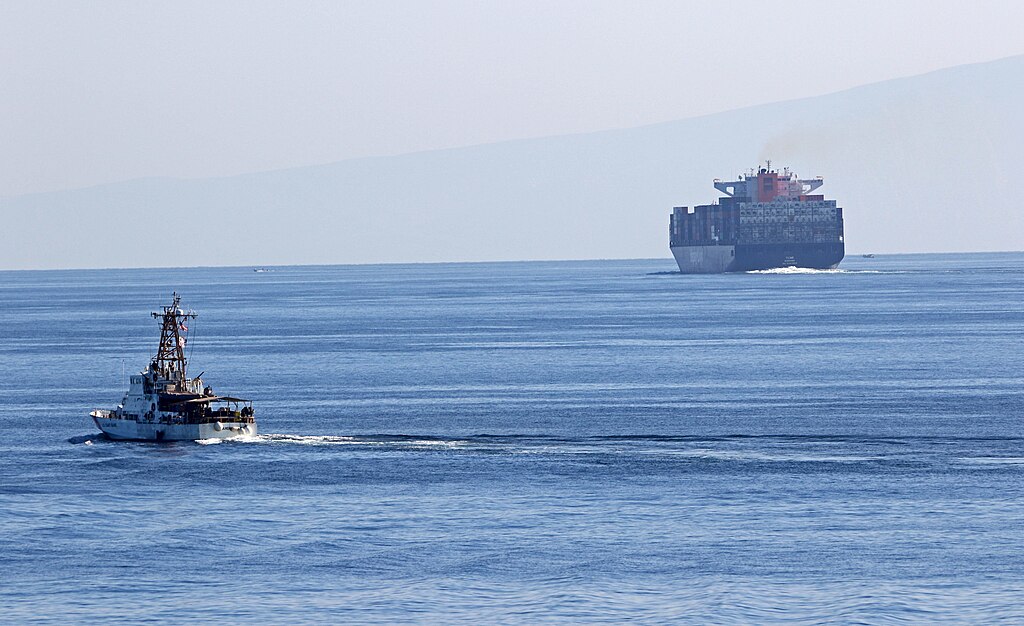
U.S. Secretary of State Marco Rubio said negotiations with Iran could take several more days, cooling expectations for a quick resolution to the ongoing Middle East conflict. His remarks came after U.S. forces launched what Washington described as defensive military strikes in southern Iran, targeting missile launch sites and boats allegedly attempting to lay naval mines.
Speaking to reporters in Jaipur, India, Rubio stressed the importance of keeping the Strait of Hormuz open, warning that global shipping through the strategic waterway would continue “one way or the other.” The Strait of Hormuz remains one of the world’s most critical energy routes, handling nearly 20% of global oil and liquefied natural gas shipments.
Despite an April ceasefire agreement, U.S. Central Command confirmed new strikes aimed at protecting American troops from Iranian threats. Iran responded by claiming it had successfully downed a hostile stealth drone using a newly developed air defense system.
The military developments coincided with diplomatic discussions in Doha, where Iran’s foreign minister and top negotiator met Qatar’s prime minister to discuss a possible agreement with the United States. According to officials familiar with the talks, discussions focused on reopening the Strait of Hormuz and addressing Iran’s stockpile of highly enriched uranium.
U.S. President Donald Trump stated on Truth Social that negotiations with Iran were progressing “nicely,” while warning that additional military action could follow if talks collapse.
Meanwhile, tensions expanded across the region as Israeli Prime Minister Benjamin Netanyahu announced intensified operations against Hezbollah in Lebanon. Israeli forces later confirmed strikes in the Bekaa Valley and surrounding areas.
The uncertainty has continued to influence global energy markets. WTI crude oil prices remained volatile, reflecting investor concerns over oil supply disruptions and instability in the Middle East. Since the conflict escalated in late February, shipping traffic through the Strait of Hormuz has dropped significantly, increasing pressure on fuel, fertilizer, and food prices worldwide.







