


 KOSPI Hits Record High as Samsung and SK Hynix Lead AI Chip Rally
  China Keeps Loan Prime Rates Steady for 12th Month as PBOC Signals Cautious Policy Approach
  Gold Prices Slip as Fresh U.S. Strikes on Iran Boost Dollar and Oil Markets
  Japan Falls to Third-Largest Global Creditor as China Overtakes in 2025
  Sri Lanka Central Bank Surprises Markets With 100 Basis Point Rate Hike Amid Inflation and Currency Pressure
  Trump Faces Pressure as Fed Chair Kevin Warsh Takes Over
  Fed’s Goolsbee Warns Inflation Remains Elevated, Signals Caution on Rate Cuts
  BOJ Signals Possible Rate Hike as Middle East Tensions Fuel Inflation Concerns
  Huawei Chip Breakthrough Sparks Rally in Hong Kong AI and Semiconductor Stocks
  BOJ Governor Ueda Warns Oil Price Shock Could Trigger Persistent Inflation
  Asian Stocks Slip as U.S.-Iran Tensions Weigh on Markets; South Korea’s KOSPI Hits Record High
  Bank of Korea Signals Potential Interest Rate Hikes as Inflation Remains Elevated
  Wall Street Futures Steady as AI Rally Offsets Middle East Tensions
  Dollar Weakens as Iran Peace Hopes Lift EUR/USD and Risk Sentiment
  Yen Stays Near Intervention Zone as Iran Conflict Supports U.S. Dollar


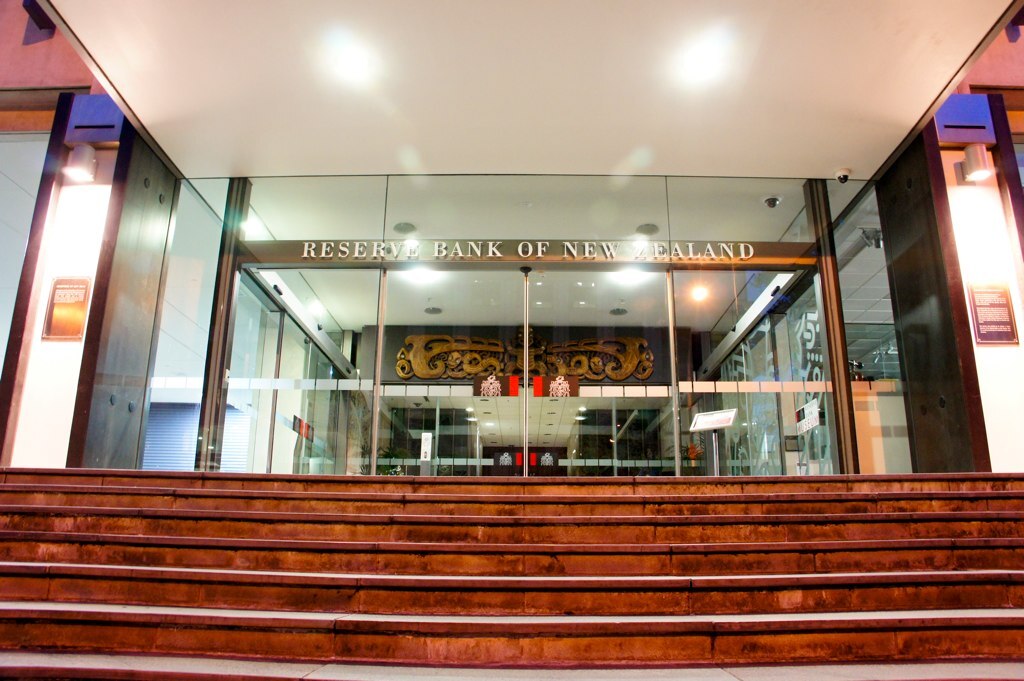
New Zealand’s central bank kept interest rates unchanged on Wednesday but warned that further monetary tightening may be necessary later this year as rising global tensions increase inflation risks and slow economic activity.
The Reserve Bank of New Zealand (RBNZ) maintained the official cash rate at 2.25%, matching market expectations. However, the central bank adopted a more hawkish tone, indicating that borrowing costs could rise sooner and more aggressively than projected in its February outlook.
The latest RBNZ policy decision revealed a split among Monetary Policy Committee members. Three policymakers supported keeping rates on hold, while the other three voted in favor of a 25-basis-point increase. Governor Anna Breman ultimately used her casting vote to leave rates unchanged.
According to the RBNZ, inflation is expected to climb to 4.3% in the third quarter of 2026, up from 3.1% recorded in the March quarter. Officials pointed to higher fuel and petrochemical prices caused by disruptions in the Strait of Hormuz as a major driver of inflationary pressure.
The central bank also warned that supply chain disruptions, elevated energy costs, and declining business confidence are weighing on New Zealand’s economy. Policymakers noted that unemployment remains high while the housing market continues to struggle.
Despite weaker economic conditions, the RBNZ said stronger inflation expectations and persistent price-setting behavior among businesses could force the bank to tighten monetary policy further in order to stop temporary price shocks from becoming long-term inflation problems.
Following the announcement, the New Zealand dollar strengthened sharply. The NZD/USD currency pair jumped 0.7% as investors increased expectations for future rate hikes by the RBNZ.
The latest decision highlights growing concerns among global central banks about inflation risks linked to geopolitical tensions and energy market disruptions in 2026.







