


 U.S. Stock Futures Slide as Tech Rout Deepens on Amazon Capex Shock
  Oil Prices Slide on US-Iran Talks, Dollar Strength and Profit-Taking Pressure
  ECB’s Cipollone Backs Digital Euro as Europe Pushes for Payment System Independence
  Global Markets Slide as AI, Crypto, and Precious Metals Face Heightened Volatility
  Trump Lifts 25% Tariff on Indian Goods in Strategic U.S.–India Trade and Energy Deal
  U.S.-India Trade Framework Signals Major Shift in Tariffs, Energy, and Supply Chains
  Thailand Inflation Remains Negative for 10th Straight Month in January
  BOJ Holds Interest Rates Steady, Upgrades Growth and Inflation Outlook for Japan
  Asian Stocks Slip as Tech Rout Deepens, Japan Steadies Ahead of Election
  South Africa Eyes ECB Repo Lines as Inflation Eases and Rate Cuts Loom
  Bank of England Expected to Hold Interest Rates at 3.75% as Inflation Remains Elevated
  India–U.S. Interim Trade Pact Cuts Auto Tariffs but Leaves Tesla Out
  Bank of Canada Holds Interest Rate at 2.25% Amid Trade and Global Uncertainty


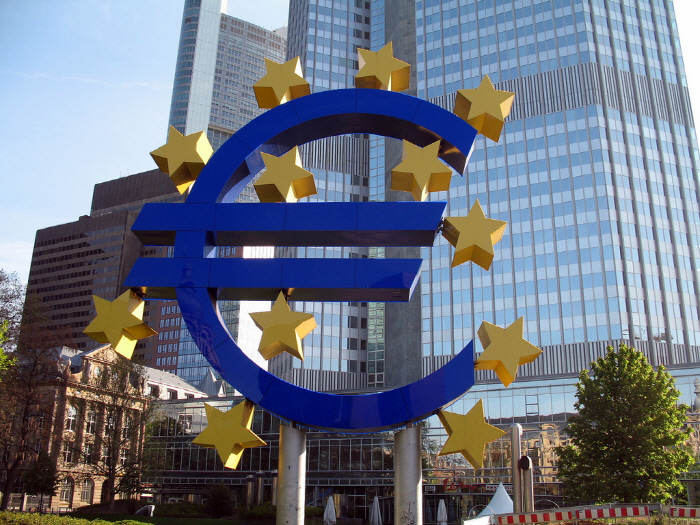
The European Central Bank (ECB) may need to lower its deposit rate slightly below 2% due to mounting global trade tensions and increasing risks to eurozone inflation and economic growth, according to Belgium’s central bank governor Pierre Wunsch.
In an interview with the Financial Times, Wunsch—previously known for his hawkish views—signaled a shift, stating that recent shocks, including U.S. tariff hikes announced by President Donald Trump on April 2, have introduced “clear downside risks to inflation.” These developments, Wunsch noted, justify a more supportive monetary policy stance, including rate cuts below the current 2.25%.
Wunsch emphasized that he does not support a large rate cut, such as a half-point drop, in the near term. Instead, he supports a gradual approach, warning that the eurozone could face a short-term negative economic shock, potentially followed by a positive rebound in 2026 and 2027.
This marks a notable change in tone from his February remarks, where he cautioned against “sleepwalking” into excessive easing. However, the recent volatility in global trade has altered the outlook.
Market expectations now reflect a 90% probability of a rate cut at the ECB’s next meeting on June 5, with one additional cut priced in for later this year. Traders expect the deposit rate to reach a low of around 1.75%.
Wunsch told the FT he was “not shocked” by market forecasts and remained open to further policy easing if economic conditions continue to weaken.
His comments suggest the ECB may pivot towards a more dovish stance, highlighting the central bank’s balancing act between stabilizing inflation and supporting growth amid rising geopolitical uncertainty.













