


 Stellar Hits Record 217 TPS as Institutional RWA Activity Surges
  Toyota Global Sales Fall for Seventh Month as China Demand Slumps
  Robinhood Chain Token Ring Allegedly Extracts $18.4 Million Across 53 Launches
  Why have so few atrocities ever been recognised as genocide?
  Aztec Revives zk.money for Private Ethereum Payments
  Locked up then locked out: how NZ’s bank rules make life for ex-prisoners even harder
  The ghost of Robodebt – Federal Court rules billions of dollars in welfare debts must be recalculated
  OpenAI Scraps GPT-6.1 Astra Launch Over Safety Concerns
  What is Zionism? The different meanings of a contested term
  QNT Whales Move $10M to Exchanges After 400% Rally
  Franklin Templeton Partners With Bybit for Tokenized Fund Collateral
  Anthropic Targets $2 Trillion Valuation in Planned IPO
  Want to cut your energy bills? Here’s how five experts are doing it
  Chainlink Launches CCIP 2.0 With Enhanced Cross-Chain Security
  Google promotes ‘teacher approved’ apps for kids. Here’s what parents should know
  The Beauty Beneath the Expressway: A Journey from Self to Service


 Add as a preferred source on Google
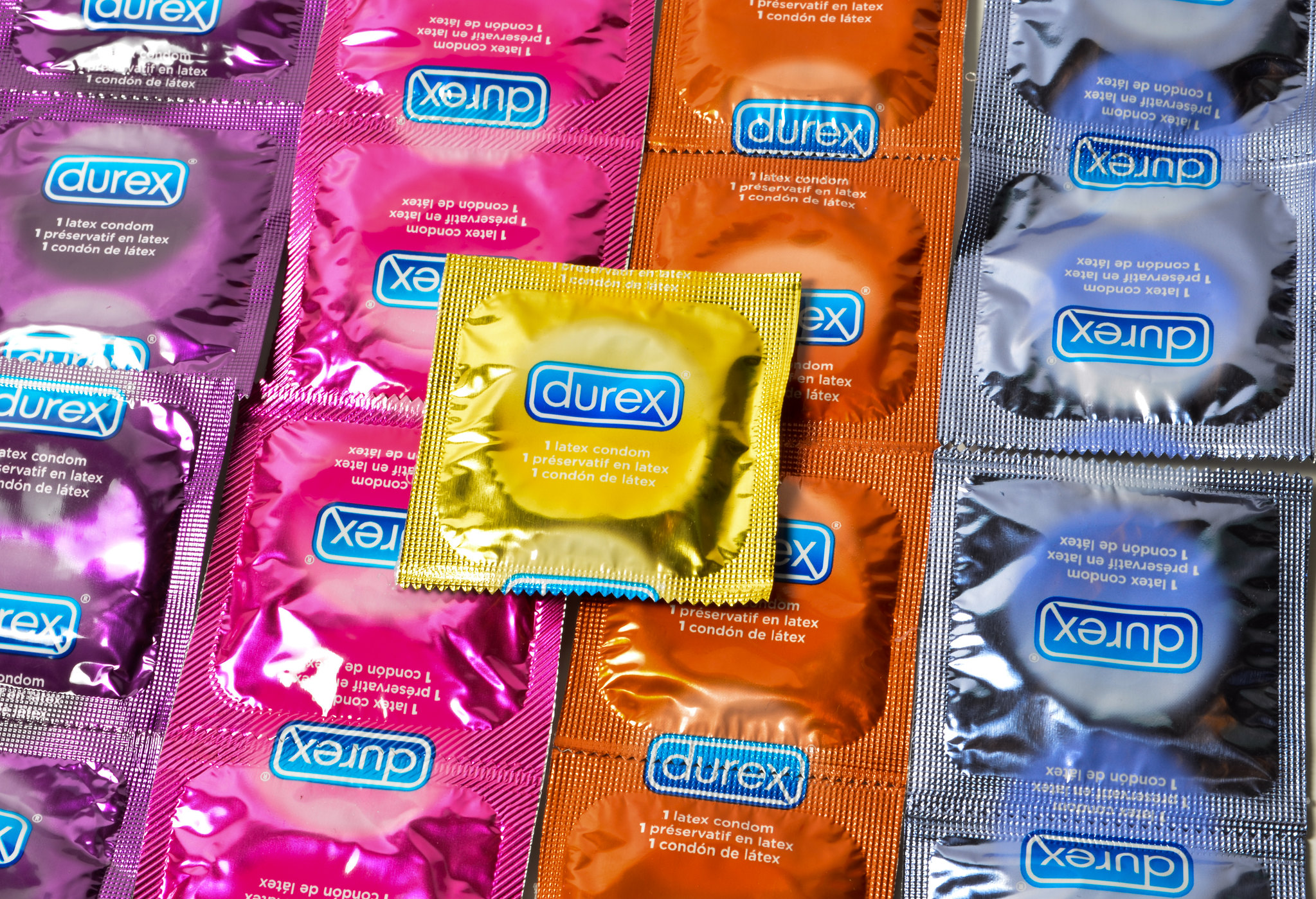
Durex, the world’s largest condom manufacturer, is shifting its focus to Indian women and rural consumers. With evolving societal attitudes and a growing market, Reckitt Benckiser is revamping its product lineup and marketing strategies to cater to this expanding demographic.
Reckitt Shifts Durex Strategy in India, Targeting Women and Rural Consumers Amid Changing Attitudes
Reckitt Benckiser, the world's largest condom manufacturer, developed products and marketing strategies to attract Indian males to its Durex brand for many years. It advocates for a growth strategy that emphasizes rural consumers and women.
India became the world's most populous nation last year, surpassing China. However, it continues to perform inadequately in terms of contraceptive use. According to the Indian government, sterilization remains the most prevalent method of contraception for women, while only approximately 10% of males use condoms.
For decades, the social stigma surrounding sex in Indian society has marginalized female delight, a phenomenon that some attribute to Victorian social norms that were established during British colonization.
However, attitudes are evolving, and Reckitt is adapting its marketing strategies to capitalize on the increasing prevalence of condom use among Indian women, who are now a critical target demographic for Durex.
According to the most recent government statistics, approximately 9.5% of married Indian women reported using contraceptives during sexual intercourse by 2021, which is nearly double the rate of use observed five years prior. The prevalence of this practice among unmarried women increased by more than twofold to 27%.
In an interview with Reuters, Pankaj Duhan, Reckitt's senior vice president of intimate wellness, disclosed that the company is revamping products, including lubricants, to appeal to female consumers and has implemented new marketing campaigns.
Durex lubricants in India will employ enhanced formulations to appeal to women, which have been developed in response to the concerns that females encounter. According to recent research, 30% of Indian women experience some level of discomfort during sexual intercourse with their partners.
"We want to change this ... That is why we are relaunching our lubes portfolio," said Duhan. "The women tend to become a little bit more underserved consumer groups."
Mankind Pharma, which manufactures Manforce, controls the Indian condom market, with Reckitt and TTK Healthcare following in their footsteps.
Reckitt Faces Distribution and Pricing Challenges in Expanding Durex's Reach to Rural India and Women
The British consumer goods company is confronted with significant obstacles in its endeavor to establish a profitable presence in the female condom market and among rural consumers. These challenges are primarily related to distribution and pricing, which industry observers consider critical to success. Additionally, the company must persuade a rural population still mainly conservative to purchase its products.
Competitors are also targeting women, with Manforce, Durex's primary competitor and market leader, adjusting its marketing strategies. A recent advertisement features a Bollywood actress discussing the advantages of contraceptives and encouraging women to "purchase their own."
"One challenge Reckitt may face is consistency of messaging," said Devangshu Dutta, head of retail consultancy Third Eyesight, adding the company needs to figure out if it is targeting condoms for health, family planning, or pleasure as there could be different messaging for each type of shopper.
The growth opportunity is compelling. India's condom market is only worth $210 million, compared to China's $4.1 billion. However, according to Indian consulting firm 6Wresearch, it is anticipated to expand at a compound annual rate of 7.4% between 2024 and 2030. The global market is valued at $11.3 billion.
The expansion of the market will necessitate a widespread distributor network, mainly due to India's immense size and the millions of mom-and-pop stores.
Rural areas in India account for only 10-15% of Durex's sales, a region that is significantly more price-sensitive than urban cities.
"Distribution is the big challenge simply because even though most consumer goods companies have made their way to all pin codes in the country, the question is maintaining availability at retail points," said Dutta of Third Eyesight.







