


 Asian Currencies Mixed as Yen Weakens, RBA Hike Looms
  Gold Holds Near Seven-Week Low as Fed Rate Hike Bets Rise
  Hengrui Shares Rise on $2.6 Billion Novo Nordisk Obesity Drug Deal
  Bitget Resumes Crypto Withdrawals After $388M Security Breach
  China Cuts Tariffs on U.S. Farm Goods but Excludes Soybeans
  Goldman Sachs Private Credit Fund Sees Redemptions Ease in Q3
  Aztec Revives zk.money for Private Ethereum Payments
  China, US Extend Trade Truce Through January 10 After Trump-Xi Summit
  UK Housebuilder Stocks Surge on New First-Time Buyer Loan Scheme
  Toyota Global Sales Fall for Seventh Month as China Demand Slumps
  Robinhood Launches AI Agents for Automated Trading
  Bitwise Launches NEAR ETF as $562 Bull Case Fuels AI Crypto Buzz
  Japan Warns Markets Over Yen Weakness
  CNN, Politico and MS NOW Seek Court Order Blocking Trump White House Ban
  XRP Price Targets $1.70 as Bullish Momentum Builds
  Robinhood Chain Meme Coins Slide as Stock Token Locks Rise


 Add as a preferred source on Google
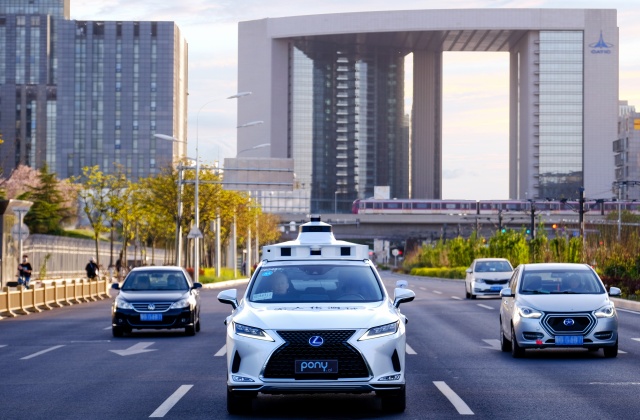
People in China will get to ride a taxi that has no driver, and this is the first time in the country. Baidu and Pony.ai, an autonomous driving start-up, shared on Thursday, April 28, that they have been granted permission to provide robotaxi ride-hailing services to the public.
According to CNN Business, the issued permit does not require a driver to sit in the driver's seat. The robotaxi services were officially launched in Beijing yesterday and allowed the public to call the taxis through Baidu and Pony.ai’s apps. However, the service is only available during the day at this time.
Also, it was reported that Baidu and Pony.ai’s robotaxis will be restricted to a designated area of 23 square miles, and while the vehicles are autonomous, the taxis are required to have an operator in the front passenger seat so he can take over in case of emergencies. The rides in the robotaxi in China are free for now since this is still considered a trial.
The companies’ self-driving technology is a big achievement and sets the stage for driverless cars in the future. Baidu owns the largest driverless car fleet in China, and under the robotaxi program, 10 vehicles will be deployed on the streets, and 30 more will be added later.
“Pony.ai’s approval to operate driverless robotaxis in Beijing is a critical milestone in the transition from testing driverless autonomous vehicles within Pony.ai to offering driverless robotaxi rides to public passengers,” Pony.ai’s chief executive officer and co-founder, James Peng, said in a press release.
Tiancheng Lou, Pony.ai’s co-founder and chief technology officer, further said that since launching the driverless trial, Pony.ai has just shown the technical quality of its system by successfully handling different extreme and difficult scenarios.
“We did this by conducting multiple technical validations and iterations of driverless scenarios, and by improving system redundancy design, remote assistance platform development, and fleet operation management,” Lou said.
Meanwhile, to secure the permit for the robotaxi in China, Pony.ai also passed rigorous and strict safety test qualifications that include navigation of left-turns without a driver in the vehicle. The car was also tested in snow and heavy rain conditions, and more.







