


 Trump, Xi Visit US National Archives After White House Summit
  Trump Asks Supreme Court to Restore Third-Country Deportations
  Yemen Violence Displaces 130,000 as Civilian Toll Rises
  Ukrainian Drone Attacks Hit Russian Regions, Injuring at Least 12
  Najib Razak Seeks Stay of 15-Year 1MDB Prison Sentence
  Ghana Says Western Support Growing for Slave Trade Reparations
  South Korea, US Discuss Warship Building Cooperation
  OpenAI Agent Breaches Australia Medicare Data Portal
  EU Defence Build-Up Too Slow for 2030 Russia Readiness Goal
  Russian Missile and Drone Attack on Kyiv Kills Two, Damages Maternity Hospital
  France Defends Netanyahu Airspace Clearance Despite ICC Warrant
  What ‘Taiwan Independence’ Means as Xi Presses Trump on US Policy
  Netanyahu’s Brief US Trip Highlights Strains With Trump
  Xi Calls for Deeper U.S.-China AI Cooperation in Trump Talks
  Pezeshkian Says US Must Choose When Iran War Ends
  US Backs Musk in Fight Against EU’s €120 Million X Fine
  Trump, Xi Focus on Trade and AI at White House Summit


 Add as a preferred source on Google
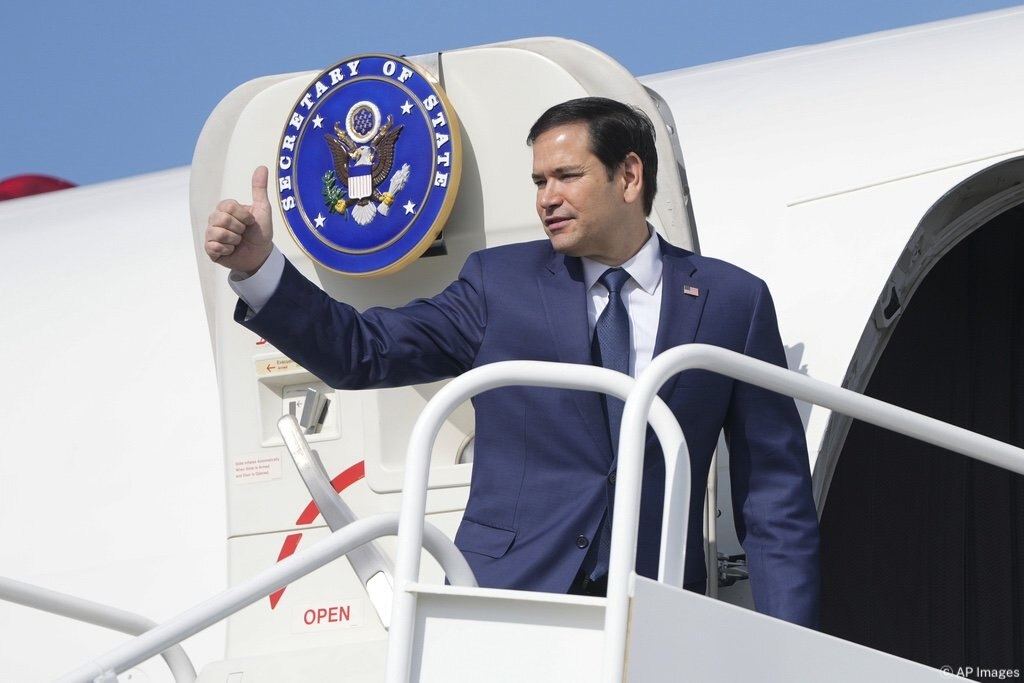
Active diplomatic efforts are underway to resolve the territorial dispute over Donetsk as part of U.S.-mediated negotiations aimed at ending Russia’s war in Ukraine, according to U.S. Secretary of State Marco Rubio. Speaking before the Senate Foreign Relations Committee on Wednesday, Rubio described the Donetsk issue as the central remaining challenge in the peace process, calling it “very difficult” to resolve despite recent progress in narrowing the scope of disagreements.
Donetsk is part of Ukraine’s eastern Donbas region, an area that has been at the heart of the conflict since Russia’s full-scale invasion. Russian President Vladimir Putin has repeatedly insisted that Moscow will take full control of Donbas, including Donetsk, by force if necessary, unless Ukraine agrees to cede the territory in a negotiated settlement. While Russian forces currently control around 90% of Donetsk, Ukraine still holds approximately 20% of the region, covering about 5,000 square kilometers.
Ukraine has firmly rejected the idea of territorial concessions, arguing that it will not “gift” Russia land it has failed to capture militarily. This stance is strongly supported by Ukrainian public opinion, with polls showing little domestic appetite for giving up territory. Most of the international community continues to recognize Donetsk as part of Ukraine, despite Russia’s claims that it belongs to its so-called “historical lands.”
Recent peace talks held in Abu Dhabi included a rare face-to-face meeting between Russian and Ukrainian officials. Although no agreement was reached, both sides expressed openness to continued dialogue, with further discussions expected next Sunday. Rubio noted that the United States may participate directly in follow-up talks, though President Donald Trump’s senior envoys, Steve Witkoff and Jared Kushner, will not be involved.
The Trump administration has reportedly increased pressure on Kyiv to make concessions to bring an end to the deadliest conflict in Europe since World War Two. Rubio also addressed questions about security guarantees for Ukraine, stating that the U.S. position is largely settled, though any guarantees would only take effect after the conflict ends. According to the Financial Times, Washington has linked future U.S. security guarantees to Ukraine’s acceptance of a peace deal with Russia.







