


 France Defends Netanyahu Airspace Clearance Despite ICC Warrant
  North Korea Warns South Korea Over US-Led Defense Role
  Pezeshkian Says US Must Choose When Iran War Ends
  Colombia Extradites FARC Dissident Leader ‘Spider’ to US
  EU Defence Build-Up Too Slow for 2030 Russia Readiness Goal
  Najib Razak Seeks Stay of 15-Year 1MDB Prison Sentence
  Trump, Xi Focus on Trade and AI at White House Summit
  Trump, Xi Visit US National Archives After White House Summit
  Pope Leo Warns UN, Multilateral Groups Face Crisis
  US Supreme Court Revives Trump Administration Voter Citizenship Database
  US Backs Musk in Fight Against EU’s €120 Million X Fine
  Iran Rejects Nuclear Concessions in Hormuz Deal
  What ‘Taiwan Independence’ Means as Xi Presses Trump on US Policy
  Netanyahu’s Brief US Trip Highlights Strains With Trump
  North Korea Rejects Nuclear Test Warning, Calls Nuclear Status Irreversible
  Putin Says Ukraine Peace Proposals Remain on Table
  Trump Warns China Against Supporting Iran in Xi Talks


 Add as a preferred source on Google
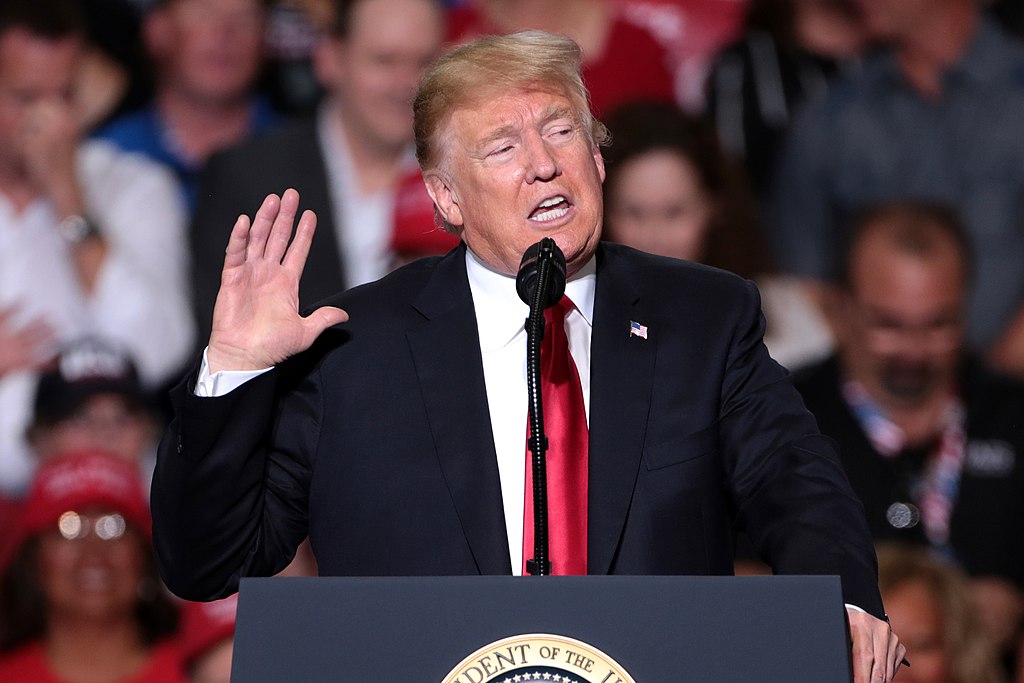
In a recent exchange, President-elect Donald Trump suggested that the United States might reclaim control over the Panama Canal, citing "ridiculous" fees and alleged Chinese influence. Panama's President José Raúl Mulino responded firmly, asserting the canal's sovereignty and dismissing the accusations.
Historical Context of the Panama Canal
The Panama Canal, a vital conduit for international maritime trade, was constructed by the United States in the early 20th century and transferred to Panamanian control on December 31, 1999, under the Torrijos–Carter Treaties. These agreements ended U.S. jurisdiction over the canal, granting Panama full sovereignty while ensuring the canal's neutrality and open access for global shipping.
Trump's Assertions and Panama's Response
During a recent event in Phoenix, Trump criticized the fees imposed on U.S. vessels transiting the canal, describing them as exorbitant. He also expressed concerns about potential Chinese influence over the waterway, suggesting that the canal might be "falling into the wrong hands."
In response, President Mulino issued a statement emphasizing Panama's exclusive control over the canal. He declared, "Every square meter of the Panama Canal and its adjoining zone is Panama's and will remain so." Mulino also addressed the fee structure, stating that the tolls are established transparently, based on operating costs and market conditions, and are not excessive.
International Implications and Historical Precedents
Trump's remarks have raised concerns about a potential shift in U.S. foreign policy regarding the canal. Historically, the United States maintained control over the canal zone for nearly a century before transferring sovereignty to Panama. The 1977 Torrijos–Carter Treaties, which facilitated this transfer, were pivotal in redefining U.S.-Panama relations and ensuring the canal's neutrality.
Analysts suggest that any attempt to renegotiate these longstanding agreements could strain diplomatic relations and disrupt international trade. The canal remains a critical artery for global commerce, with approximately 5% of the world's trade passing through it.
Public Reaction and Social Media Discourse
The exchange between Trump and Mulino has sparked significant discussion on social media platforms. Twitter user @GlobalTradeWatch commented, "Revisiting control over the Panama Canal could destabilize international trade routes." Another user, @HistoryBuff2024, noted, "The Panama Canal's sovereignty was settled decades ago; reopening this issue seems unnecessary."
Conversely, @AmericaFirstAdvocate expressed support for Trump's stance, stating, "It's about time we reconsider our position on the Panama Canal; U.S. interests should come first." In contrast, @PanamaPride tweeted, "Our canal is a symbol of national pride and sovereignty; we stand with President Mulino."
Additionally, @TradePolicyExpert weighed in, saying, "Allegations of exorbitant fees need thorough examination; such claims can have broad implications." Meanwhile, @DiplomacyMatters cautioned, "Diplomatic tensions over the canal could have far-reaching consequences for international relations."
The recent statements by President-elect Trump and the subsequent response from President Mulino highlight the enduring significance of the Panama Canal in international politics and trade. As the situation develops, the global community will closely monitor any policy shifts that could impact this crucial maritime passage.







