


 North Korea Rejects Nuclear Test Warning, Calls Nuclear Status Irreversible
  Ukrainian Drone Attacks Hit Russian Regions, Injuring at Least 12
  US Backs Musk in Fight Against EU’s €120 Million X Fine
  US Supreme Court Revives Trump Administration Voter Citizenship Database
  Alcohol is one of the most dangerous drugs, yet its presence is ubiquitous in social settings and celebrations
  Novartis Shares Plunge After Muscle Drug Fails Phase III Trial
  Saudi Arabia, Turkey and Pakistan Plan Urgent Defence Talks Over Houthi Attacks
  EU Defence Build-Up Too Slow for 2030 Russia Readiness Goal
  Saudi Arabia Seeks Military Support as Houthi Attacks Escalate
  Najib Razak Seeks Stay of 15-Year 1MDB Prison Sentence
  Yemen Violence Displaces 130,000 as Civilian Toll Rises
  Evan Gershkovich Says FSB Set Trap for 2023 Russia Arrest
  Novo Nordisk Strikes €1.17 Billion Nanexa Drug Delivery Deal
  SK Biopharmaceuticals Secures Global Rights to Biohaven Epilepsy Drug Opakalim
  AstraZeneca, Bristol Myers Squibb Explore Mega Merger Worth Nearly $400 Billion


 Add as a preferred source on Google
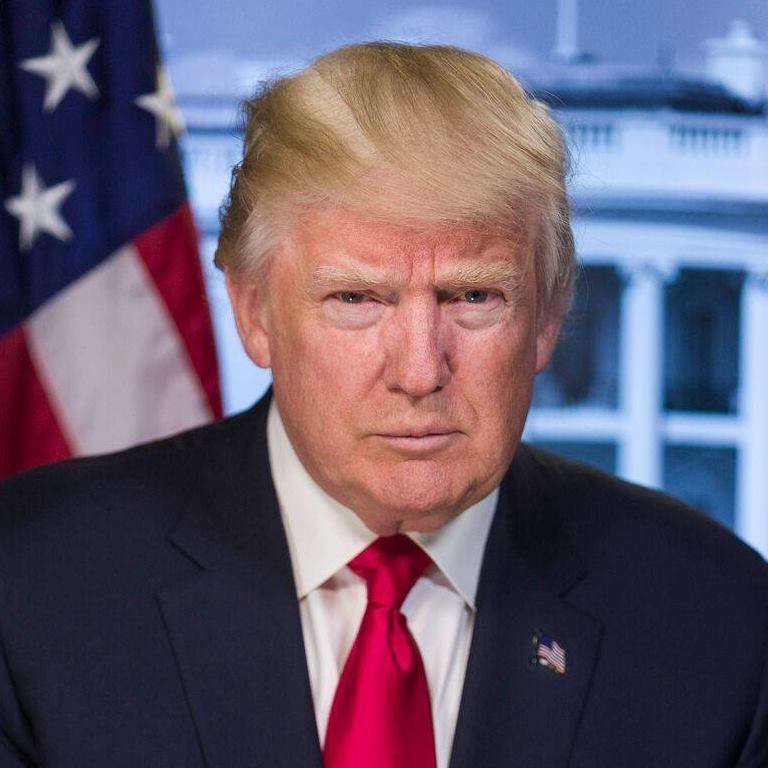
The rate of coronavirus' spread in the United States has alarmed everyone. In just a couple of weeks, the U.S. outpaced Italy and China becoming the country with the most number of confirmed COVID-19 infections.
Various coronavirus hotspots soon emerged based on data. To deal with the situation, Donald Trump floated the idea of placing these areas under quarantine to prevent the virus’ spread.
“I am giving consideration to a QUARANTINE of developing “hot spots”, New York, New Jersey, and Connecticut,” President Donald Trump tweeted on Sunday, March 29. “A decision will be made, one way or another, shortly.”
However, many expressed opposition to the idea. For instance, Twitter users @4everNeverTrump believes it’s probably too late at this point.
“Even if this is legal (which it's not), it would be too late,” @4everNeverTrump commented on Trump’s social media post. “The virus is not just in NY, NJ, and CT; it is everywhere.”
There are also those who are a bit wary of what “quarantine” exactly meant for Trump. “I don’t agree with a quarantine of developing ‘hot spots’ like New York, New Jersey, Connecticut, or any other areas in the United States,” another Twitter user, Eugene Gu, MD (@eugenegu), wrote. “First of all, what does quarantine even mean for Trump? Is that where everyone can’t even leave their homes without government permission?”
New York Gov. Andrew Cuomo also opposed the idea. While he spoke to Trump on Saturday, he revealed that the idea of quarantine was never discussed.
“I don't even know what that means,” Cuomo said, according to CNN. “I don't know how that could be legally enforceable.”
The governor also pointed out that a quarantine might not accomplish anything at this stage. “And from a medical point view, I don't know what you would be accomplishing,” Cuomo added. “But I can tell you, I don't even like the sound of it.”
The quarantine plan did not come to fruition. Instead, the Centers for Disease Control and Prevention issued a travel advisory for New York, New Jersey, and Connecticut residents to “refrain from non-essential domestic travel” for the next two weeks.
CDC’s advisory, however, does not apply to those employed in critical infrastructure industries such as food supply, financial services, health professionals and trucking. Employees in these industries “have a special responsibility to maintain normal work schedules.”







