


 Trump, Tech Leaders Sign ‘Morally Binding’ AI Safety Accord
  Trump Denies Offering Iran Sanctions Relief for Nuclear Concessions
  UN Extends Haiti Security Force Mandate Ahead of Elections
  US Sanctions Iran Weapons Procurement Network
  Rubio Warns Cuba to Change Course as US Pressure Mounts
  Judge Blocks Trump Election Conditions on Counterterrorism Grants
  White House Blames Democrats as CLARITY Act Stalls
  TSA Removes Chairs for Airport ID Check Officers
  Malaysia Begins Deportation of 1,500 Myanmar Nationals
  Trump Eyes $54 Billion South Korean Investment in Alaska LNG
  UK Police Probe Foreign State Link in RAF Fairford Plot
  Russian Drone Strikes Kill Nine Across Ukraine, Hit Kyiv Science Academy
  Second DOJ Lawyer Exits Trump Probe
  US Forces Exit Iraq as Iran Influence and ISIS Risks Grow
  California Bans Memecoins Issued by Public Officials Under New Law
  CNN, Politico and MS NOW Seek Court Order Blocking Trump White House Ban
  Polymarket Traders Bet on Trump AI Rename to ‘Super Intelligence’


 Add as a preferred source on Google
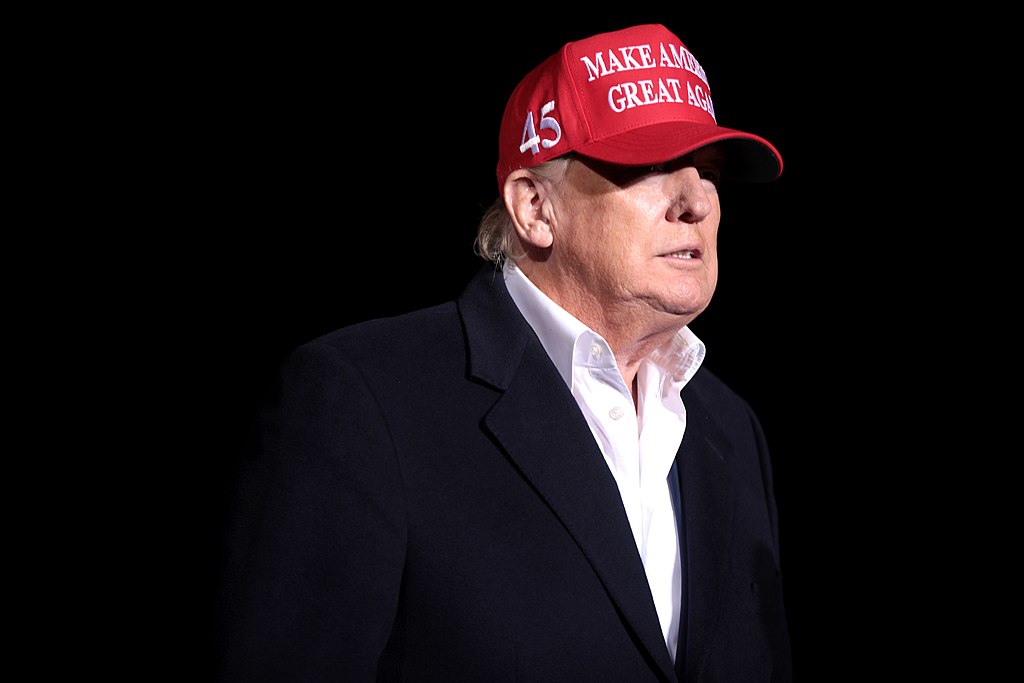
Former President Donald Trump has introduced a bold economic proposal as part of his potential 2024 campaign platform, announcing that he intends to cap credit card interest rates at 10%. This sweeping plan, aimed at curbing the financial burdens faced by millions of American consumers, has sparked both enthusiasm and skepticism. While Trump's proposal appeals to those struggling with high credit card debt, questions remain about its feasibility and potential impact on the broader economy.
Trump’s plan, which surfaced during recent campaign appearances, suggests placing a hard limit on the interest rates credit card companies can charge consumers. Currently, credit card interest rates in the United States often exceed 20%, placing a heavy financial strain on individuals who carry balances from month to month. A cap at 10% would mark a significant shift in the financial landscape, potentially offering relief to millions of consumers but raising concerns among banks and credit institutions.
This proposal comes at a time when Americans are facing increasing financial pressure due to rising inflation and the lingering effects of the COVID-19 pandemic. Credit card debt has been on the rise, with many individuals relying on revolving credit to cover basic expenses. A cap on interest rates could provide much-needed relief for struggling households, potentially lowering monthly payments and reducing the total cost of carrying debt.
However, Trump's ambitious proposal has also drawn criticism from financial experts and industry leaders who question its practicality. Critics argue that such a cap could disrupt the credit market, leading to unintended consequences for consumers. Financial institutions rely on interest rates to manage risk, and a sharp reduction in allowable rates may force lenders to tighten their standards, making credit less accessible to those with lower credit scores. This could result in fewer options for consumers seeking credit, particularly for those in need of short-term financial assistance.
Additionally, industry insiders warn that capping credit card interest rates at 10% could have a ripple effect across the economy. Banks and credit card companies might respond by introducing new fees or limiting reward programs to offset the loss of revenue from interest. The proposal could also lead to job losses in the financial sector, as companies scale back operations to adjust to a new regulatory environment.
Economists have also pointed out that similar interest rate caps have been attempted at the state level, often with mixed results. While some consumers may benefit from lower interest rates, others could find it more difficult to obtain credit altogether. The question of whether a federally mandated cap would work on a national scale remains up for debate, and the specifics of how such a policy would be implemented are still unclear.
As Trump positions himself for another potential White House run in 2024, his credit card interest rate cap proposal is likely to become a focal point of discussion. While the idea may resonate with voters eager for relief from high credit card debt, its implementation would require significant regulatory changes and cooperation from Congress, which could prove challenging.
EconoTimes cannot independently verify the specifics of Trump’s proposed credit card interest rate cap or its potential impact on the economy. The plan remains speculative at this stage, and further analysis is required to determine its feasibility and long-term effects.







