


 Japanese Bank Stocks Surge as Bond Yields Fuel Rate Hike Bets
  Mexico-US Trade Talks Delayed to October as Tariff Negotiations Continue
  US, China Extend Trade Truce to Jan. 10 Ahead of Trump-Xi Summit
  China’s ‘Lipstick King’ Says AI Won’t Replace Livestream Hosts
  Australia Unemployment Hits Five-Year High Despite Strong Jobs Growth
  Oil Prices Surge as U.S.-Iran Diplomacy Hopes Fade
  Asian Currencies Mixed as Dollar Holds Near Two-Month High
  European Stocks Fall as Bond Yields and Geopolitical Risks Weigh
  Fed Unveils Stablecoin Rules Under GENIUS Act
  Asian Stocks Fall as Surging Bond Yields Rattle Markets
  Fed Unveils Stablecoin Rules Under GENIUS Act
  Oil Prices Ease as Iran Tensions Clash With Diplomacy Hopes
  Wall Street Falls as Treasury Yields Surge, Oil Rebounds on Iran Tensions
  Asian Stocks Fall as Bond Yields Surge Ahead of Trump-Xi Summit
  U.S. Treasury Yields Surge as 30-Year Hits 22-Year High
  Russian Envoy Dmitriev Heads to US for Ukraine Talks
  Gold Prices Fall as Treasury Yields Rise on Fed Rate Hike Bets


 Add as a preferred source on Google
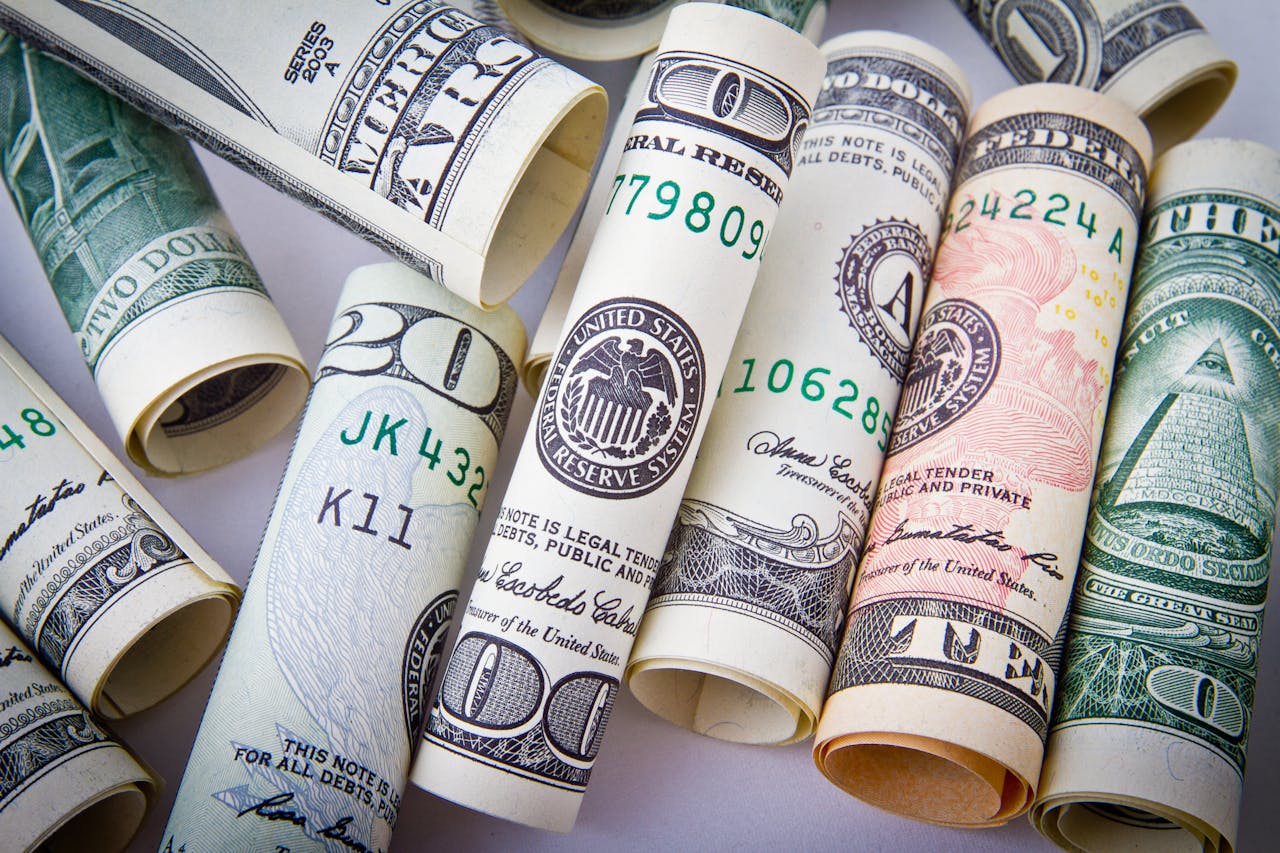
The U.S. dollar retreated from multi-month highs this week as surging energy prices, triggered by the ongoing U.S.-Israeli military conflict with Iran, dramatically shifted global interest rate forecasts. The greenback is now under pressure as major central banks signal rate hikes while the Federal Reserve maintains a cautious, wait-and-see stance.
Since the conflict began in late February, Brent crude futures have surged nearly 50%, effectively choking off Middle Eastern energy exports and stoking inflation fears worldwide. Investors who once anticipated two Fed rate cuts in 2025 now consider even a single cut unlikely, leaving the dollar vulnerable against competing currencies.
The euro climbed 1.4% for the week to $1.1569, sterling rose over 1.5% to $1.3422, and the Japanese yen strengthened to around 157.88, gaining 1.2%. The Australian dollar also approached 71 cents, up 1.5% weekly, after the Reserve Bank of Australia raised interest rates for the second consecutive month. The Swiss franc similarly posted weekly gains against the dollar.
The European Central Bank held rates steady but strongly hinted at potential hikes as early as June, citing energy-driven inflation. The Bank of England echoed this hawkish tone, triggering one of the sharpest selloffs in short-dated gilts in recent memory, with markets now pricing in roughly 80 basis points of increases by year-end. Meanwhile, the Bank of Japan left the door open to hiking as soon as April, catching yen bears off guard.
Fed Chair Jerome Powell acknowledged uncertainty around the war's economic impact but offered no clear forward guidance, reinforcing the contrast with other central banks.
The dollar index slipped to 99.359, heading for a 1.1% weekly loss. Analysts warn, however, that a prolonged dollar decline is unlikely. As one strategist noted, a drawn-out conflict could ultimately boost the dollar through safe-haven demand and the United States' advantage as an energy-exporting nation.







