


 Fed Unveils Stablecoin Rules Under GENIUS Act
  Japanese Bank Stocks Surge as Bond Yields Fuel Rate Hike Bets
  Australia Unemployment Hits Five-Year High Despite Strong Jobs Growth
  Dollar Holds Near Two-Month High as Yen Approaches 160
  Asian Stocks Fall as Bond Yields Surge Ahead of Trump-Xi Summit
  Oil Prices Jump 3% as Houthi Attack Revives Supply Fears
  Germany’s 2026 Growth Outlook Strengthens on Fiscal Spending
  US Comfortable With Canada Trade Standoff as Import Bans Loom
  US 10-Year Treasury Yield at 6% Emerges as New Market Risk Threshold
  Japanese Yen Rebounds as Trump Flags Currency Weakness
  UK PM Burnham to Unveil Economic Vision at Labour Conference
  Soybean Futures Slip as Traders Await Trump-Xi Trade Signals
  Trump, Xi Focus on Trade and AI at White House Summit
  US Stock Futures Fall as Treasury Yields Surge Ahead of Trump-Xi Summit
  Gold Prices Fall as Treasury Yields Rise on Fed Rate Hike Bets
  Gold Holds Near $4,275 as Rising Treasury Yields Fuel Fed Rate Hike Bets
  Oil Prices Fall on U.S.-Iran Hormuz Deal Hopes


 Add as a preferred source on Google
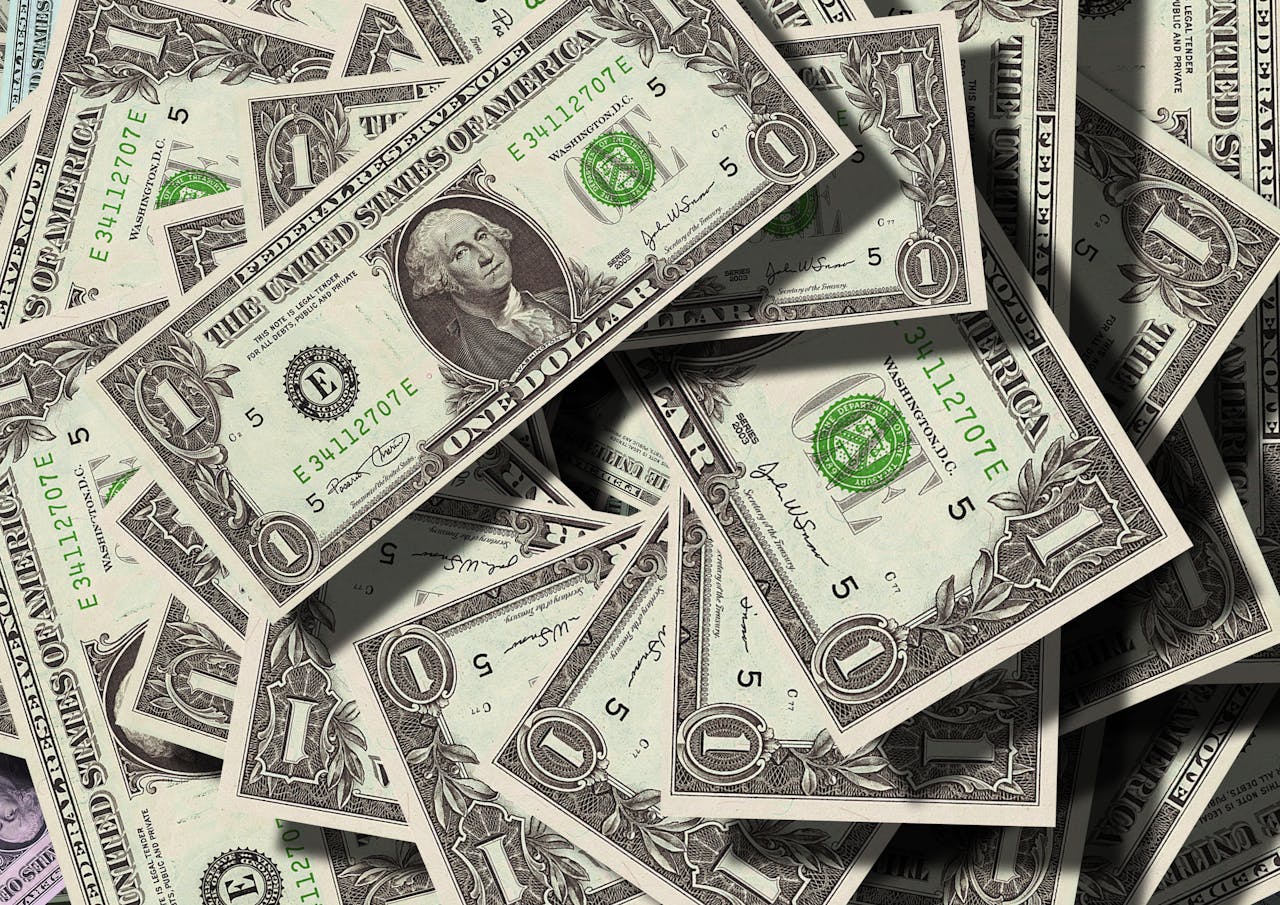
The U.S. dollar fell to a six-week low on Tuesday, weighed down by signs of economic weakness and persistent trade tensions driven by the Trump administration’s tariff policies. The dollar index dropped to 98.58, its lowest since late April, as investors reacted to worsening manufacturing data and uncertainty in upcoming job figures.
Market sentiment turned cautious after data revealed that U.S. manufacturing contracted for a third consecutive month in May, with trade-related supply delays further dampening outlooks. Additional pressure looms with factory order data due Tuesday and labor reports later in the week.
U.S. tariffs on imported steel and aluminum are set to double to 50% starting Wednesday, coinciding with the administration’s deadline for new trade proposals from other nations. Despite brief relief last week when a U.S. trade court blocked some tariffs, an appeals court reinstated them quickly. The White House also signaled it could pursue alternative enforcement methods if further legal challenges arise.
Currency markets reflected the broader impact. The dollar hovered near a one-week low at 142.71 yen, while the euro touched a six-week high at $1.1454. The New Zealand dollar gained 0.1% to $0.6045—its highest this year—and the Australian dollar held steady at $0.6495.
Rodrigo Catril, senior FX strategist at NAB, noted that the dollar's slide highlights persistent trade uncertainty and rising investor skepticism toward U.S. assets. Compounding concerns, fiscal instability is drawing attention as the Senate considers a tax and spending bill projected to increase federal debt by $3.8 trillion over the next decade.
The "sell America" trend, driven by falling confidence in U.S. fiscal policy, has led to broad declines in dollar-based assets including stocks and Treasuries, with global investors eyeing safer or better-performing currencies.







