


 Oil Prices Ease as Iran Tensions Clash With Diplomacy Hopes
  Trump, Xi Focus on Trade and AI at White House Summit
  Wall Street Falls as Treasury Yields Surge, Oil Rebounds on Iran Tensions
  Fed Unveils Stablecoin Rules Under GENIUS Act
  China’s ‘Lipstick King’ Says AI Won’t Replace Livestream Hosts
  South Korea, US Discuss Warship Building Cooperation
  Wall Street Ends Flat as Oil, Treasury Yields and Fed Jitters Rattle Markets
  Japanese Bank Stocks Surge as Bond Yields Fuel Rate Hike Bets
  Fed Unveils Stablecoin Rules Under GENIUS Act
  Oil Prices Surge as U.S.-Iran Diplomacy Hopes Fade
  U.S. 10-Year Treasury Yield Hits 2007 High as Fed Rate Hike Bets Rise
  U.S. Treasury Yields Surge as 30-Year Hits 22-Year High
  Australia Unemployment Hits Five-Year High Despite Strong Jobs Growth
  U.S. Dollar Hits Two-Month High as Oil, Treasury Yields Surge
  US Stock Futures Fall as Treasury Yields Surge Ahead of Trump-Xi Summit
  Gold Holds Near $4,275 as Rising Treasury Yields Fuel Fed Rate Hike Bets
  Mexico-US Trade Talks Delayed to October as Tariff Negotiations Continue


 Add as a preferred source on Google
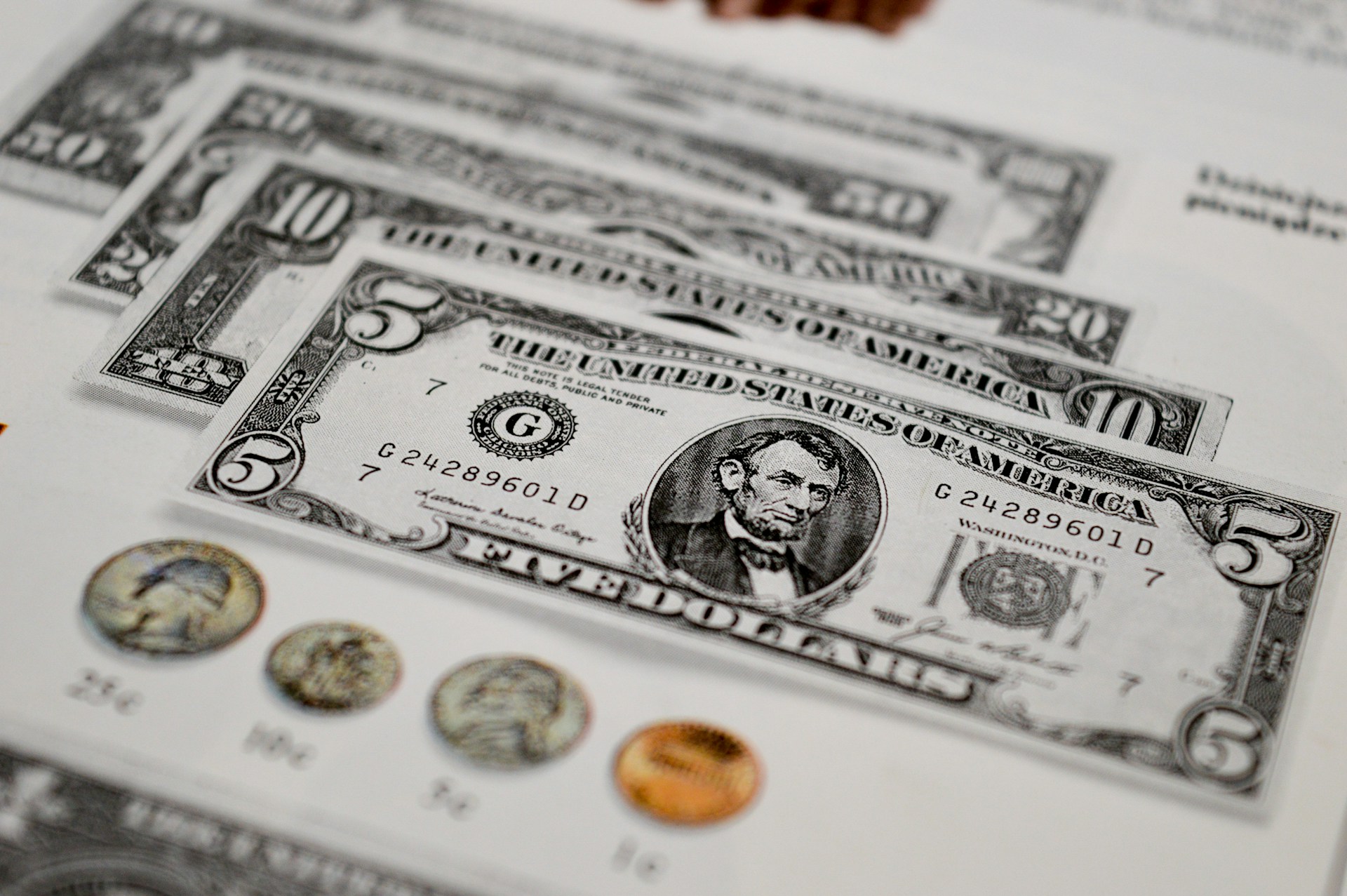
The U.S. dollar paused its strong rally on Thursday, giving the euro and other major currencies brief relief as investors reassessed the potential duration and economic impact of the ongoing Middle East conflict. Currency markets showed signs of stabilization after the dollar surged earlier in the week to its highest level in more than three months.
Market sentiment shifted slightly following reports that Iranian intelligence officials had signaled possible openness to negotiations with the CIA aimed at ending the war. Although Tehran quickly denied the report, the news was enough to encourage cautious optimism among investors who are closely monitoring geopolitical developments and their effect on global markets.
As a result, the U.S. dollar index slipped modestly to 98.78 against a basket of major currencies after reaching a three-month high earlier this week. The euro edged up to $1.1636 after falling to its lowest level in more than three months on Tuesday, while the British pound remained relatively steady at $1.3366.
According to Carol Kong, currency strategist at Commonwealth Bank of Australia, the report about potential negotiations provided only limited reassurance. She noted that uncertainty around the duration of the conflict and its broader economic consequences remains high, though markets appear to be taking a relatively calm view for now.
Support for the dollar earlier in the week was fueled by strong U.S. economic data. Fresh figures released Wednesday showed that activity in the U.S. services sector surged to its highest level in more than three and a half years during February, as companies rebuilt inventories in anticipation of stronger consumer demand.
Despite Thursday’s pullback, the dollar still holds gains of more than 1% for the week, making it one of the few assets to perform well during a volatile period that has pressured stocks, bonds, and even traditional safe-haven assets such as precious metals.
Energy markets have also played a key role in shaping currency movements. Rising oil prices triggered by the Middle East war have raised concerns about renewed inflation pressures, potentially complicating the interest-rate outlook for major central banks worldwide.
Bas van Geffen, senior macro strategist at Rabobank, said markets are increasingly pricing the conflict as an inflation risk. For central banks such as the U.S. Federal Reserve and the Bank of England, this could mean fewer interest rate cuts in the near term. Meanwhile, eurozone money markets are now pricing roughly a 40% chance that the European Central Bank could raise interest rates before the end of the year.
Elsewhere in the currency market, the Japanese yen strengthened slightly, rising 0.2% to 156.78 per dollar as the greenback weakened. The Australian dollar climbed 0.14% to $0.7085, building on the previous session’s gains, while the New Zealand dollar held steady at $0.5942.
Interestingly, the Australian dollar has received some safe-haven demand this week despite typically being considered a risk-sensitive currency. Analysts attribute this to Australia’s strong energy sector, which helps shield its economy from the impact of rising oil prices.
The Chinese offshore yuan also gained modestly, rising 0.12% to 6.8860 per dollar ahead of mainland trading. Meanwhile, China announced a 2026 economic growth target of 4.5% to 5%, slightly lower than the 5% growth recorded last year as policymakers attempt to balance economic expansion with efforts to address industrial overcapacity.
In the cryptocurrency market, both Bitcoin and Ethereum slipped about 1% after rallying overnight on improving risk appetite, reflecting the continued volatility across global financial markets.







