


 RBI Uses $10 Billion Currency Swaps to Drain Excess Rupee Liquidity
  Oil Prices Fall on U.S.-Iran Hormuz Deal Hopes
  Dollar Holds Near Two-Month High as Yen Approaches 160
  UK PM Burnham to Unveil Economic Vision at Labour Conference
  US Stock Futures Fall as Treasury Yields Surge Ahead of Trump-Xi Summit
  Japanese Yen Rebounds as Trump Flags Currency Weakness
  Asian Currencies Mixed as Dollar Holds Near Two-Month High
  China Agrees to Buy 20 Million Tons of U.S. Coal
  Canadian Dollar Faces Pressure as Fed-BoC Policy Gap Widens
  Fed’s Hammack Says Bond Yield Surge Is Not Driven by Inflation Fears
  European Stocks Fall as Bond Yields and Geopolitical Risks Weigh
  Gold Holds Near $4,275 as Rising Treasury Yields Fuel Fed Rate Hike Bets
  Wall Street Ends Flat as Oil, Treasury Yields and Fed Jitters Rattle Markets
  Soybean Futures Slip as Traders Await Trump-Xi Trade Signals
  Dollar Falls as Oil Eases, Yen Jumps on Intervention Signals
  Mexico-US Trade Talks Delayed to October as Tariff Negotiations Continue
  Japanese Bank Stocks Surge as Bond Yields Fuel Rate Hike Bets


 Add as a preferred source on Google
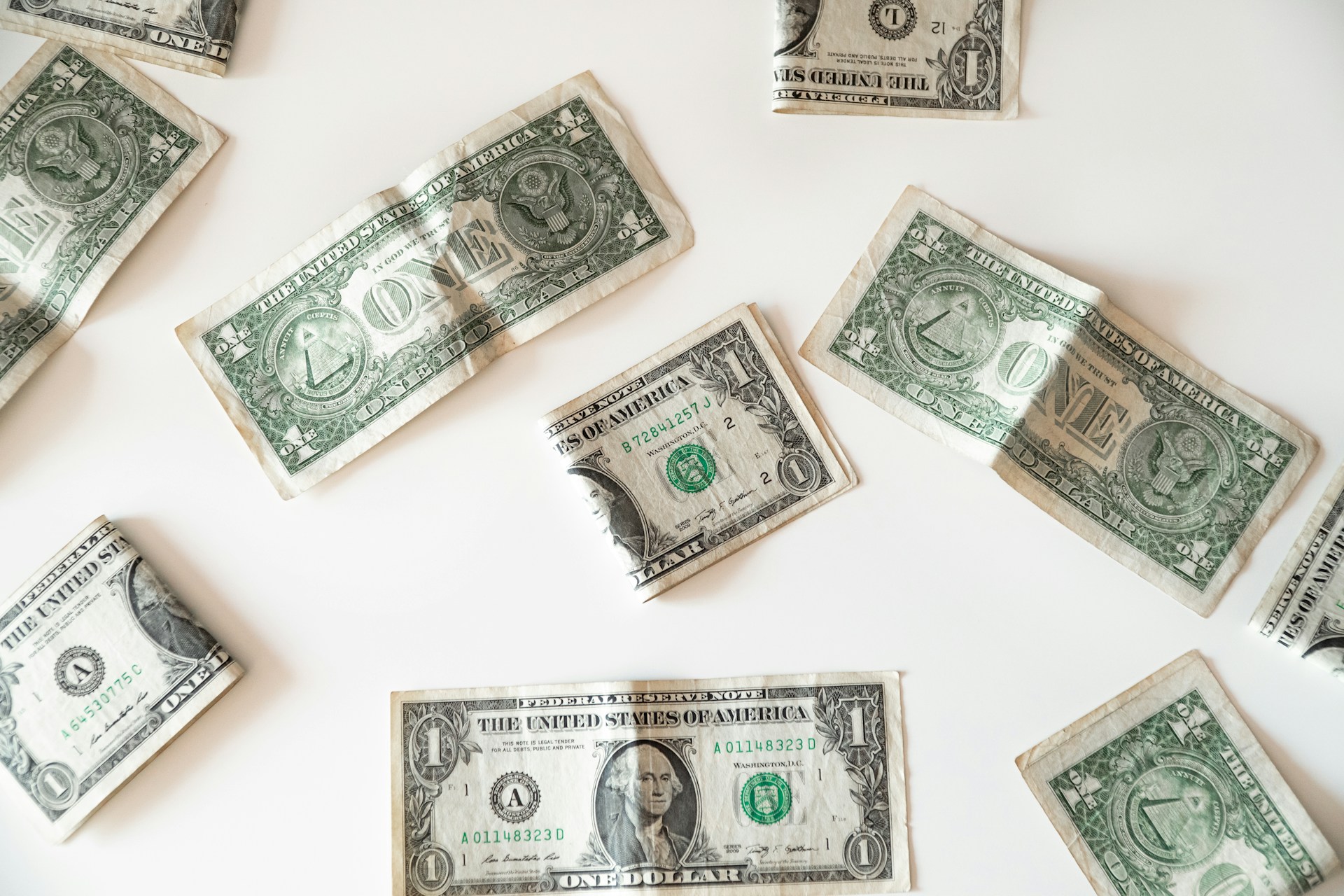
The U.S. dollar’s trajectory in the coming months will largely depend on whether summer data confirms persistent inflation from tariffs or shows a one-time impact that allows the Federal Reserve to resume rate cuts. According to BofA strategists, the dollar weakened significantly in the first half of 2025, largely due to rising economic and policy uncertainty and changing global currency exposures, making it a barometer for U.S. risk sentiment.
Investor focus remains sharply on the Fed’s response to potential tariff-driven inflation. So far, inflation uncertainty has stalled the Fed’s rate-cut cycle, but upcoming economic data could tip the scales. Pressure is also growing from the Biden administration, which has urged the Fed to lower rates to ease government borrowing costs, raising concerns over the central bank’s independence.
Despite dovish signals from Fed Governors like Waller and Bowman, and Chair Powell’s willingness to cut rates if inflation stays subdued, BofA remains cautious. Powell has indicated that if tariff-related inflation fails to persist, the Fed could resume cuts sooner than previously expected.
Markets currently price in about 28 basis points of cuts by September. However, BofA strategists believe this won’t be enough to reverse the dollar’s broader downtrend. Notably, the dollar continued to weaken in Q2 even as expectations for near-term cuts diminished. Interestingly, this decline has occurred despite U.S. equities outperforming global peers—a signal that the dollar now carries a risk premium.
While inflation expectations are still anchored, BofA warns of potential upside risks if the Fed shifts further toward dovishness. The next few months will be key in determining whether the Fed reopens the door to cuts or if inflation proves too sticky to allow further easing.







