


 Lynas Rare Earths Signs Vietnam Deal with LS Eco Energy to Boost Magnet Metal Production
  Luxury Car Sales in the Middle East Take a Hit Amid Iran War
  Nanya Technology Shares Surge 10% After $2.5 Billion Private Placement from Sandisk and Cisco
  Ukrainian Drones and the #MadeByHousewives Movement: Kyiv Fires Back at Rheinmetall CEO
  NVIDIA's Feynman AI Chip May Face Redesign Amid TSMC Capacity Crunch
  Google's TurboQuant Algorithm Sends Memory Chip Stocks Tumbling
  Eli Lilly and Insilico Medicine Forge $2.75 Billion AI-Driven Drug Discovery Deal
  McDonald's and Restaurant Brands International Face Headwinds Amid Iran Conflict and Rising Costs
  Elliott Investment Management Takes Multibillion-Dollar Stake in Synopsys
  NAB Plans to Cut 170 Jobs While Expanding Offshore Operations
  Jefferies Upgrades Sodexo to Buy With €55 Target After Historic CEO Appointment
  Star Entertainment Secures $390M Refinancing Deal to Stabilize Operations
  Makemation: a Nollywood movie that shows AI in action in Africa
  Meta Ties Executive Pay to Aggressive Stock Price Targets in Major Retention Push
  Europe's Aviation Sector on Track to Meet 2025 Green Fuel Mandate
  Amazon's "Transformer" Phone: Can It Succeed Where Fire Phone Failed?
  NASA's Artemis II Crew Arrives in Florida for Historic Moon Mission


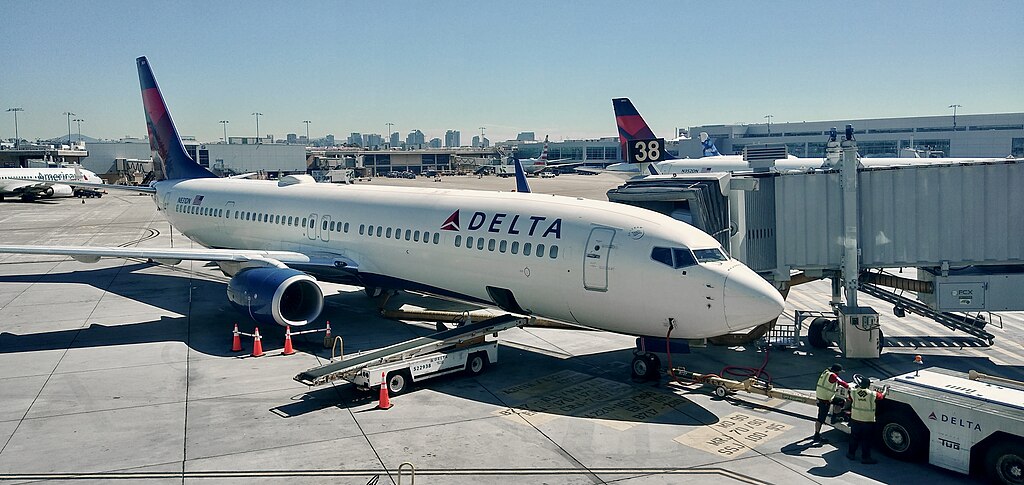
Delta Air Lines announced it will not implement artificial intelligence to set personalized ticket prices after facing scrutiny from U.S. lawmakers and growing public backlash. The controversy began when Democratic Senators Ruben Gallego, Mark Warner, and Richard Blumenthal warned that AI-driven pricing could charge passengers based on their individual “pain point,” potentially increasing fares.
In a letter to senators, Delta clarified it has never used, tested, or planned to introduce AI tools that set fares using personal data. The airline stressed that ticket pricing does not factor in individual consumer information. Instead, Delta confirmed plans to deploy AI-powered revenue management technology across 20% of its domestic network by late 2025 through a partnership with pricing firm Fetcherr, emphasizing this system will focus on aggregate market data rather than personal profiles.
While senators welcomed Delta’s statement, they called for more transparency regarding what data the airline collects to set prices. Gallego criticized potential inconsistencies between Delta’s messaging to investors and the public.
The debate follows similar remarks from American Airlines CEO Robert Isom, who stated that using AI for individualized fare setting could damage consumer trust and is not a practice American will pursue.
The controversy has sparked legislative efforts, with Representatives Greg Casar and Rashida Tlaib introducing a bill to ban AI-based pricing and wage-setting using personal data, citing Federal Trade Commission findings that retailers often tailor prices using consumer behavior and demographics.
Delta highlighted that airlines have used dynamic pricing for decades, driven by demand, fuel costs, and competition, but not personal information. The company said AI tools will enhance efficiency in analyzing data and responding to market changes rather than targeting individuals.







