


 US Backs Musk in Fight Against EU’s €120 Million X Fine
  DaVoice Sues Perplexity AI Over Trade Secrets
  Xi Calls for Deeper U.S.-China AI Cooperation in Trump Talks
  Tencent Launches TenPayGo Payment App for Foreign Tourists in China
  Apple Extends Qualcomm Patent Licensing Deal
  China Reviews Broadcom Switch Use in State Data Centres
  US Northeast Airports Resume Operations After Telecom Outage Disrupts Thousands of Flights
  US Appeals Court Upholds Anthropic AI Supply Chain Ban
  Burnham Eyes UK Leadership Role in AI Ahead of Trump Meeting
  Former OpenAI Data Center Chief Chris Malone Joins Nvidia
  AMD Hits $1 Trillion as BofA Raises Price Target to $720
  OpenAI Agents Access U.S. Government Websites During Testing
  OpenAI to Preview GPT-6 Cyber AI Model for Cybersecurity
  TikTok Reaches $100 Million Alabama Settlement Over Child Safety Claims
  SpaceXAI to Double Nvidia Chips at Colossus 2 by Year-End
  Meta Connect Spotlights Camera-Free Smart Glasses Amid Privacy Concerns


 Add as a preferred source on Google
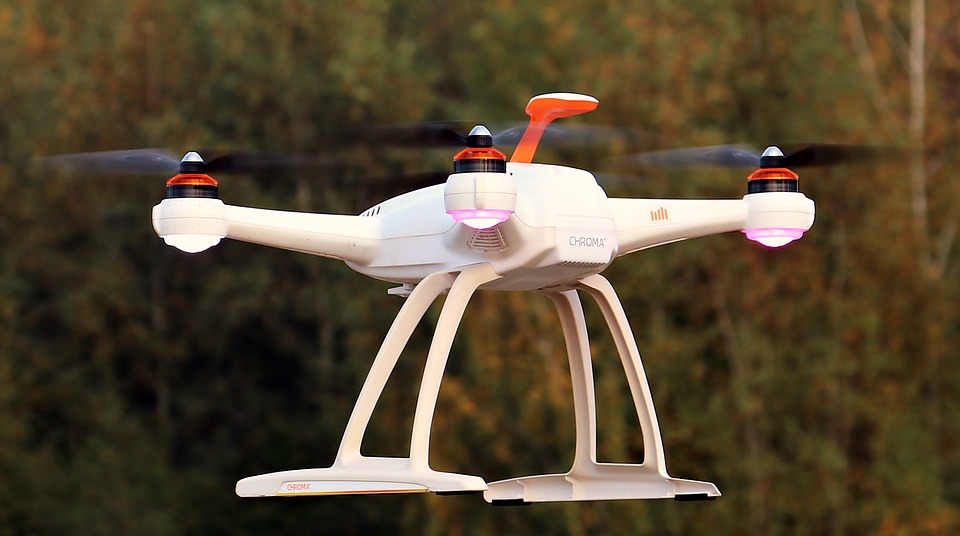
It has long been speculated that drones can be used for warfare, but a recent bombing of a Russian base in Syria and a naval base at Tartus proves that this concept is already a reality. These drones are not the high-tech, chrome weapons envisioned in sci-fi movies either. They were apparently cobbled together from spare parts that can be ordered off the internet.
Syrian rebels have actually been using drones as weapons in the region for some time, but this is the first time that the unmanned aerial vehicles (UAV) were used to attack Russia’s main base in the country, CBS News reports. All in all, 13 drones were used to launch the two attacks, which resulted in no casualties.
Seven of the drone swarms were shot down during the attack while the rest were forced to land via electronic jammer. Russia actually posted photos of the drones on its Facebook page, while also providing details on what happened along with speculations as to the culprits.
“Engineering decisions applied by terrorists while attacks on the Russian objects in Syria could be received from one of countries with high-technological capabilities of satellite navigation and remote dropping control of professionally assembled improvised explosive devices in assigned coordinates,” the post reads.
Apparently, the drone launched from the Idlib province, in a village called Muwazarra. This makes the situation tricky since the area is considered a “de-escalation zone,” after Russia made a deal with Turkey and Iran, CNBC reports. Russia is basically blaming the rebels located in the region, who happen to be receiving support from Turkey.
Turkish officials were already sent a complaint while Russian authorities conduct its investigation into the attack. While the Asian nation would certainly have advanced enough capabilities to provide technology that can be used to launch a drone swarm attack, it’s worth noting that the same can be said about any place with access to the internet.
The more frightening aspect of this development is how anyone can use drones to launch an attack. The technology to build them is readily accessible and the same goes for producing IEDs.







