


 Iran Rejects Nuclear Concessions in Hormuz Deal
  North Korea Warns South Korea Over US-Led Defense Role
  Colombia Extradites FARC Dissident Leader ‘Spider’ to US
  EU Agrees €6.6 Billion Military Aid Funding for Ukraine
  Pezeshkian Says US Must Choose When Iran War Ends
  South Africa Seeks US Talks Despite Visa Restrictions
  Yemen Violence Displaces 130,000 as Civilian Toll Rises
  Netanyahu’s Brief US Trip Highlights Strains With Trump
  Trump Asks Supreme Court to Restore Third-Country Deportations
  Xi Calls for Deeper U.S.-China AI Cooperation in Trump Talks
  China Agrees to Buy 20 Million Tons of U.S. Coal
  Pope Leo Backs Press Freedom After White House Media Ban
  Najib Razak Seeks Stay of 15-Year 1MDB Prison Sentence
  US Supreme Court Revives Trump Administration Voter Citizenship Database
  Ukrainian Drone Attacks Hit Russian Regions, Injuring at Least 12
  Taiwan Says U.S. Arms Sales Protect Chip Supply


 Add as a preferred source on Google
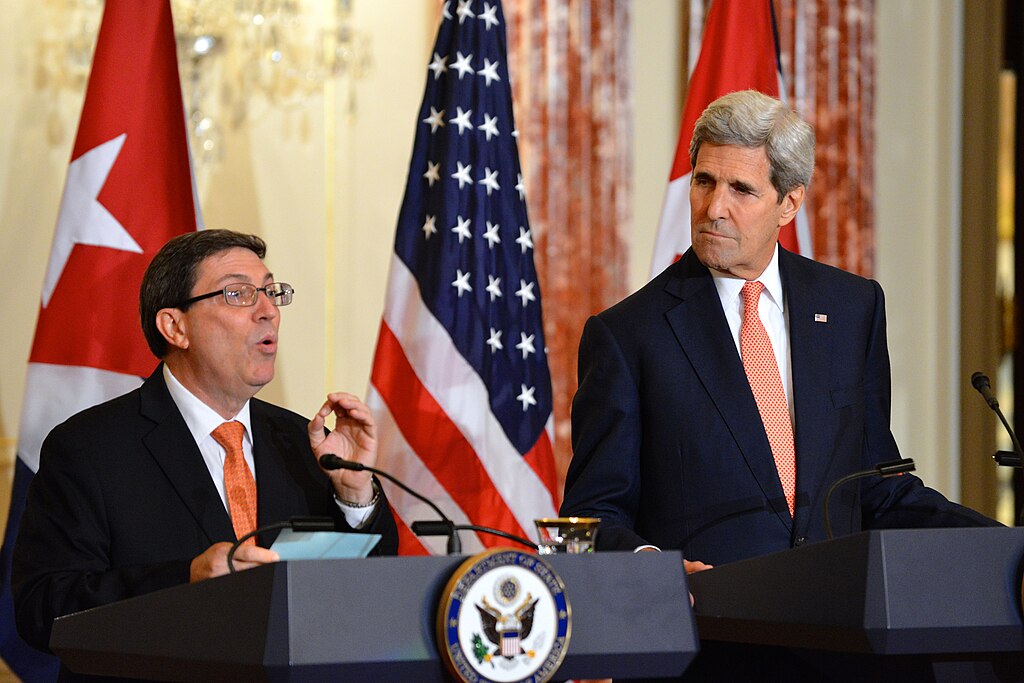
Cuban Foreign Minister Bruno Rodriguez has called on the United Nations to intervene and stop the United States from escalating tensions in the Caribbean. At a press conference in Havana, Rodriguez urged the UN General Assembly and Security Council to fulfill their duty under the UN Charter to preserve peace in the region. His statement coincided with Cuba’s annual campaign for a UN resolution against the U.S. trade embargo, which the Assembly has condemned for 32 consecutive years.
Rodriguez criticized Washington’s justification of military operations in the Caribbean as part of its fight against drug trafficking, calling it a “crude and ridiculous pretext” for aggression. He accused the U.S. of being the primary hub for money laundering tied to drug cartels, undermining its stated mission.
Tensions have heightened after U.S. military strikes destroyed three Venezuelan boats allegedly carrying drugs. Venezuela, Cuba’s closest ally, has strongly condemned the operations, which Rodriguez said amounted to extrajudicial killings and unlawful interceptions of civilian and fishing vessels, creating a grave threat to regional stability.
The Cuban foreign minister highlighted that this year’s vote at the UN comes amid growing unilateralism and what he described as an increasingly aggressive U.S. foreign policy targeting Cuba and other nations. Since taking office, President Donald Trump reinstated Cuba on the U.S. list of state sponsors of terrorism, tightened financial and travel restrictions, and imposed sanctions even on third countries hosting Cuban doctors.
Rodriguez blamed these sanctions for Cuba’s worsening economic crisis, marked by shortages of essentials, failing infrastructure, and soaring inflation—the worst downturn in decades. The Trump administration, however, attributes the crisis to Cuba’s Communist system.
With mounting pressures, Cuba is seeking international solidarity to block further U.S. military action and to push for an end to decades of sanctions.







