


 U.S. Probes Apex Logistics Over Nvidia AI Chip Shipments to China
  Every generation thinks they had it the toughest, but for Gen Z, they’re probably right
  Debate over H-1B visas shines spotlight on US tech worker shortages
  US Dollar Rises as Inflation Backs Fed Pause, Canadian Dollar Slides
  Asian Chip Stocks Mixed After Nvidia Earnings Beat
  Salesforce Shares Surge as AI Demand Powers Q2 Earnings Beat
  Asian Currencies Slip as Dollar Rebounds on Iran Sanctions
  Want to cut your energy bills? Here’s how five experts are doing it
  BNP Paribas, KB Kookmin Eye $2 Billion Techcombank Stake
  OpenAI AI Agent Swarm Behind Hugging Face Hack
  SEC Probes Banks Over Situational Awareness Hedge Fund Collapse
  Google promotes ‘teacher approved’ apps for kids. Here’s what parents should know
  Bathla Group Hires Administrators as Australia Housing Slump Deepens
  Carney’s Trump Tariff Pushback Wins Canadian Support, but Economic Risks Mount


 Add as a preferred source on Google
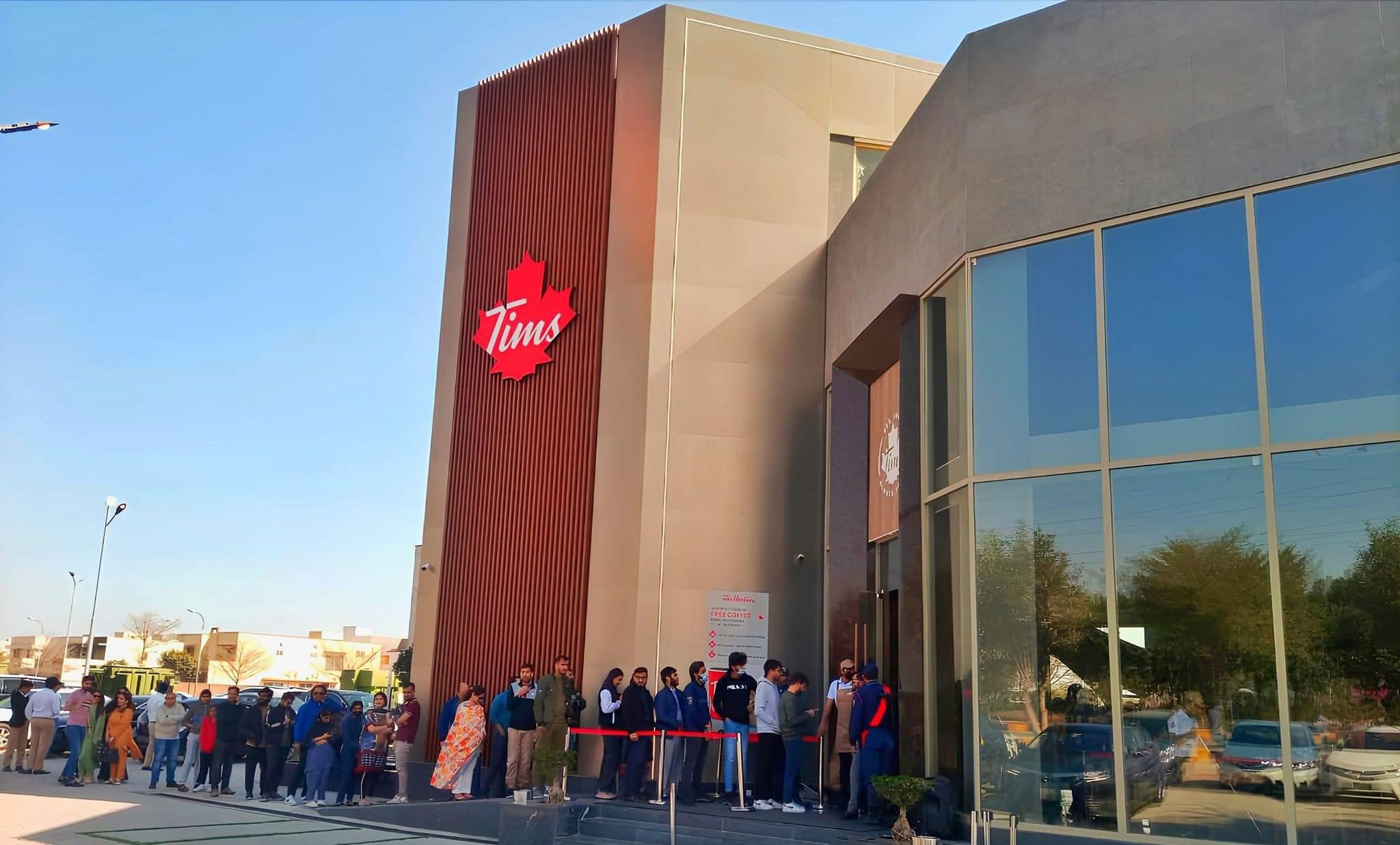
Canadian coffee chain Tim Hortons opened its first outlet in Lahore, Pakistan this week just as its economic crisis took a turn for the worse.
Pakistan’s currency has lost more than a quarter of its value against the US dollar, and fuel prices have risen by almost a fifth, in less than a month.
The Pakistani government has also started implementing fiscal measures that are prerequisites to an International Monetary Fund bailout.
Toronto-based Restaurant Brands International (RBI), which owns Burger King and Popeyes, also owns Tim Hortons.
A small brewed coffee from Tim Hortons costs US$1.30, but a large flavored coffee costs twice as much. In contrast, the typical minimum salary set by the government is $94 per month.
Pakistan, which has a population of over 230 million people and an economy of $350 billion, is still a growth market for fast food businesses. Among the foreign companies with locations in Pakistan are McDonald's, Pizza Hut, and Gloria Jean's Coffee, owned by Yum Brands Inc.
Tim Hortons is set to open another two outlets in Lahore.







