


 NASA and Roscosmos Chiefs Meet in Florida to Discuss Moon and ISS Cooperation
  Trump Signs Executive Order to Boost AI Research in Childhood Cancer
  SpaceX’s Starship Completes 11th Test Flight, Paving Way for Moon and Mars Missions
  Trump Administration to Launch Autism Initiatives Targeting Acetaminophen Use and New Treatment Options
  BCA Research Warns U.S.-Iran Ceasefire Could Collapse, Maintains Cautious Equity Outlook
  Is space worth the cost? Accounting experts say its value can’t be found in spreadsheets
  FDA Pilot Program Eases Rules for Nicotine Pouch Makers
  Colombia and Ecuador Trade War Escalates With Retaliatory Tariffs
  Trump Slams Iran Over Strait of Hormuz Oil Restrictions Amid Fragile Ceasefire
  Foreign Investors Pour $18.65 Billion into Japanese Stocks Amid Market Stabilization
  Japan Consumer Confidence Drops Sharply Amid Rising Fuel Costs and Middle East Tensions
  Tabletop particle accelerator could transform medicine and materials science
  Trump and Merck KGaA Partner to Slash IVF Drug Costs and Expand Fertility Coverage
  Asian Currencies Hold Steady as Middle East Ceasefire Doubts Weigh on Markets
  China's Inflation Data Misses Forecasts as Consumer Prices Slow in March


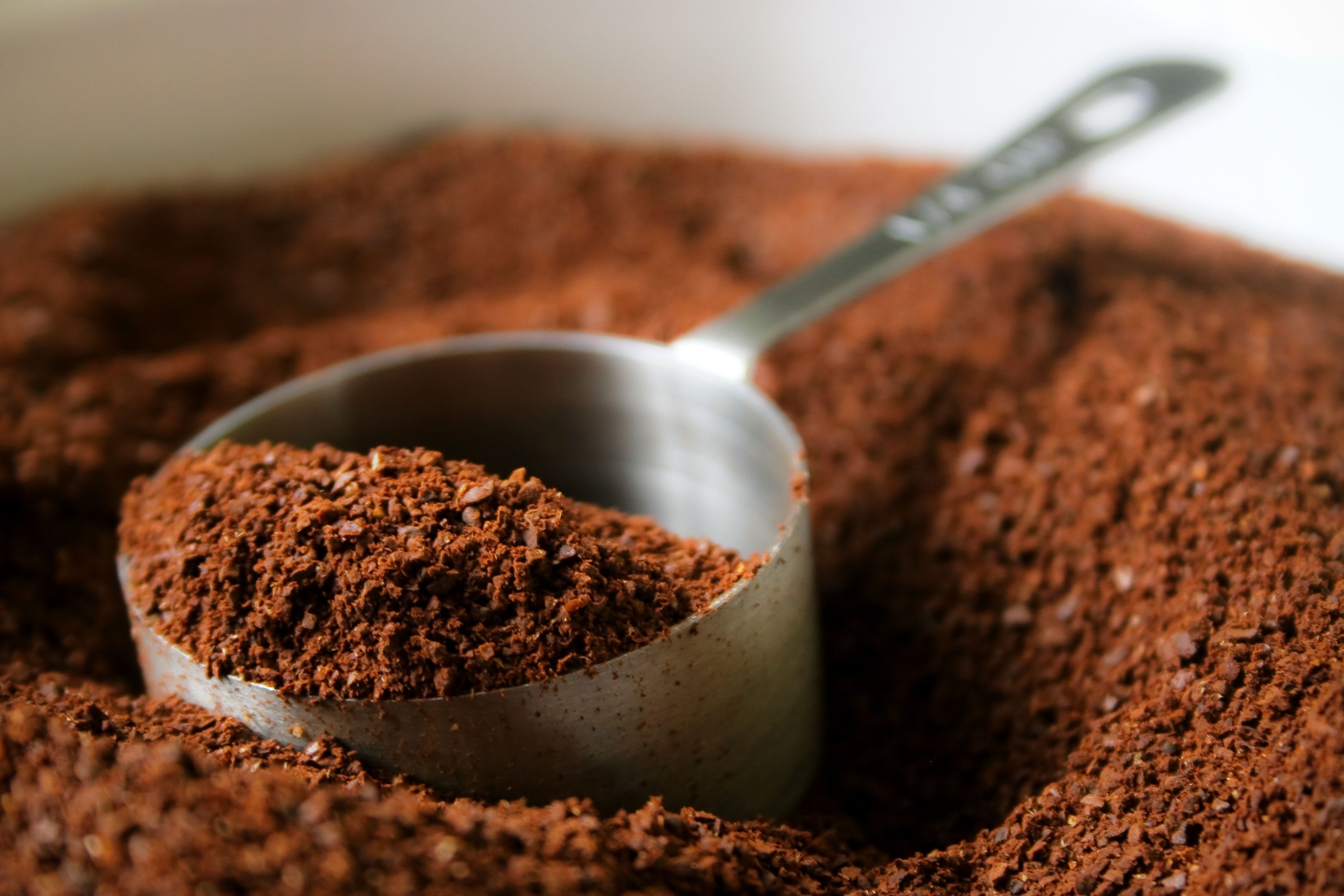
The Ministry of Environment signed an agreement with several entities to turn coffee grounds into deodorants using microorganism fermentation techniques to eliminate the stench at livestock farms.
The other signatories were Hyundai Steel Co., the city of Incheon, North Gyeongsang Province, the Korea Productivity Center, and the Korea Green Foundation.
The ministry estimates that using coffee grounds to replace sawdust used at cow farms, which typically costs 200,000 won per ton, could lead to savings of 20 billion won.
On the other hand, processing pig excrement into manure costs 50,000 won per ton, and replacing it with 100,000 tons of coffee waste could save 5 billion won.
The ministry noted that a cup of Americano typically requires 15 grams of coffee beans, 99.8 percent of which is then discarded as waste.
Last year, almost 150,000 tons of coffee grounds were generated in South Korea.







