


 TD Cowen Starts SpaceX at Buy, Sees AI Compute Driving Growth
  Anthropic Targets $2 Trillion Valuation in Planned IPO
  Samsung Invests $1 Billion in KKR’s Helix AI Infrastructure
  Robinhood Launches AI Agents for Automated Trading
  Toyota Global Sales Fall for Seventh Month as China Demand Slumps
  Google Pays Publishers for AI Search Content in New Pilot
  Morgan Stanley Launches Digital Asset Lab for Stablecoins and Tokenization
  BMW Targets 3%-5% Auto Margin by 2028 in Recovery Plan
  DeepSeek, Huawei Partner on Ascend AI Chip Programming Tools
  BlackRock Sees AI Agents Fueling New Crypto Demand
  HUTCHMED, AstraZeneca Seek FDA Approval for Lung Cancer Combo
  Apple CEO John Ternus Plans Major Overhaul
  Binance Pay Goes Live at PayPay Merchants in Japan
  OpenAI Seeks $30 Billion at $1.4 Trillion Valuation
  Hengrui Shares Rise on $2.6 Billion Novo Nordisk Obesity Drug Deal
  Cboe Extends SPX Options Deal, Eyes Tokenized Contracts
  CNN, Politico and MS NOW Seek Court Order Blocking Trump White House Ban


 Add as a preferred source on Google
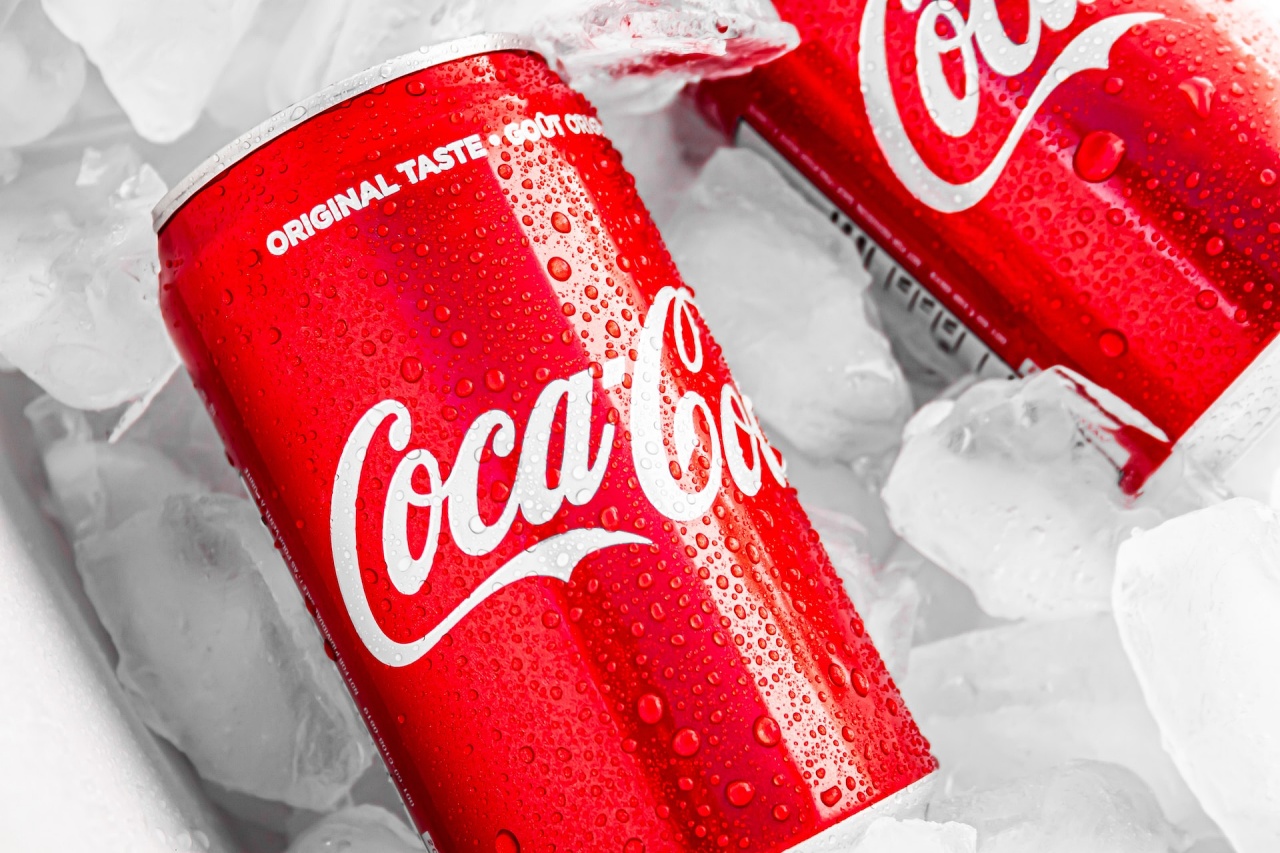
Coca-Cola, Nestle, and Danone are reportedly accused of deceptive advertising for bottle recycling. A European consumer group and some environmental campaigners said the three major firms are making misleading eco-recycling claims so they filed a legal complaint with the European Commission for this matter.
The groups explained that the firms have been saying that the plastic water bottles used for their products are 100% recycled but they suggested that this claim is not true. Moreover, they pointed out that the companies are not being environmentally friendly because most of the plastic bottles are only used once and then discarded.
Greenwashing Claims vs. Coca-Cola, Nestle, and Danone
The consumer body and two environmentalist groups said that the advertisements of the firms stating that their bottles are 100% recycled are misleading. They argued that the bottles are never completely made of recycled materials, as per BBC News.
Coca-Cola, Danone, and Nestle are accused of greenwashing for their eco-friendly ads which the groups are claiming to be false. They pointed out that the ads can mislead consumers who would like to help keep the planet green by choosing the companies’ products that supposedly use packaging that is wholly made with recycled materials.
What the Organizations Think of Eco-Friendly Ads
Sky News reported that the groups that issued the complaints are the European Consumer Organisation (BEUC) and environmental groups - ClientEarth and Environmental Coalition on Standards (ECOS).
BEUC’s deputy director, Ursula Pachl, said shoppers want to make the most sustainable choice, however, they are "bombarded” with deceptive and false claims. "Using '100% recycled/recyclable' claims or displaying nature images and green visuals that insinuate that plastic is environmentally friendly is misleading consumers," she said.
Rosa Pritchard, a lawyer at ClientEarth, added, "The evidence is clear - plastic water bottles are simply not recycled again and again to become new bottles in Europe. A '100%' recycling rate for bottles is technically not possible and, just because bottles are made with recycled plastic, does not mean they do not harm people and planet."
She went on to say, "It is important companies don't portray recycling as a silver bullet to the plastic crisis - instead they need to focus efforts on reducing plastic at source."
Photo by: James Yarema/Unsplash







