


 Trump Unveils $3 Billion U.S. Critical Minerals Push
  Moody's Upgrades Argentina's Credit Rating Amid Economic Reforms
  SK Hynix, Samsung Lead Asian Chip Stock Selloff After Sandisk, Western Digital Outlook
  Asian Currencies Hold Steady as US Dollar Nears Seven-Week Low Ahead of Key Jobs Data
  Bank of America Clients Pour $1.1B into US Equities Amid Sector Shifts
  China Trade Surplus Beats Forecasts in July as Exports Stay Strong
  JPMorgan Posts Strong Q4 Revenue Growth Amid Market Rally
  Rising Bond Yields Pose Risks to US Stocks and Boost Dollar
  China Exports Beat July Forecasts as AI Demand Fuels High-Tech Trade
  Western Digital Q4 Earnings Beat Estimates as FY2027 Outlook Tops Expectations
  OpenAI Restricts Astra AI Over Cyberattack Risks
  Gold Prices Steady as Hormuz Tensions Fuel Fed Rate Concerns
  Gold Prices Surge 7% as Dollar Falls, Fed Rate Hike Bets Ease
  BOJ Rate Hike Expectations Rise Ahead of September Meeting
  SpaceX Targets Starship Flight 14 With First V3 Starlink Satellite Launch
  Asian Stocks Mixed as Chip Selloff Hits KOSPI, Nikkei Ahead of US Jobs Data
  Nintendo Shares Jump as Switch 2 Sales Boost Earnings


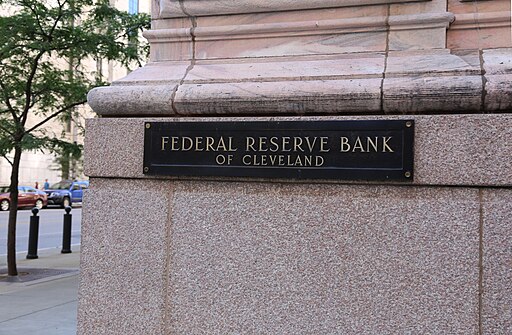
The U.S. continues to face an "inflation problem," according to Cleveland Federal Reserve Bank President Beth Hammack, who spoke with The Wall Street Journal on Friday. Hammack, who opposed a December Fed decision to cut interest rates by 0.25%, acknowledged significant progress in curbing price growth but emphasized the need to "finish the job."
Hammack noted that the Fed's debate over the December rate cut centered on its necessity or whether patience was prudent. She criticized justifying the cut based on financial markets already pricing it in, calling this rationale inadequate.
A seasoned expert with 30 years at Goldman Sachs, Hammack’s perspective highlights investor concerns about inflation's trajectory and its impact on the Fed's monetary policy decisions. Recent data showed U.S. headline consumer prices rose as expected in December, while core inflation, excluding food and fuel, grew slower than anticipated. This has fueled speculation about further rate cuts in 2025, though robust economic indicators later tempered those expectations.
Minutes from the December Fed meeting revealed most policymakers preferred a cautious approach to additional rate reductions, partly due to uncertainty about the inflationary effects of President-elect Donald Trump's proposed import tariffs. Hammack stated that the Fed could remain "very patient" before considering future cuts, with analysts now predicting the central bank will keep its benchmark rate unchanged later this month.
Investors continue to watch for economic signals that could shift the Fed's stance as the battle against inflation persists.







