


 Dollar Holds Near Two-Month High as Yen Approaches 160
  Gold Prices Fall as Treasury Yields Rise on Fed Rate Hike Bets
  China’s ‘Lipstick King’ Says AI Won’t Replace Livestream Hosts
  Japanese Yen Rebounds as Trump Flags Currency Weakness
  Asian Stocks Fall as Bond Yields Surge Ahead of Trump-Xi Summit
  Fed’s Hammack Says Bond Yield Surge Is Not Driven by Inflation Fears
  Gold Holds Near $4,275 as Rising Treasury Yields Fuel Fed Rate Hike Bets
  US Comfortable With Canada Trade Standoff as Import Bans Loom
  Japanese Bank Stocks Surge as Bond Yields Fuel Rate Hike Bets
  Japan Private-Sector Growth Slows as Domestic Demand Weakens
  European Stocks Fall as Bond Yields and Geopolitical Risks Weigh
  Canadian Dollar Faces Pressure as Fed-BoC Policy Gap Widens
  U.S. Treasury Yields Surge as 30-Year Hits 22-Year High
  Asian Currencies Mixed as Dollar Holds Near Two-Month High
  Asian Stocks Fall as Surging Bond Yields Rattle Markets
  Fed Unveils Stablecoin Rules Under GENIUS Act


 Add as a preferred source on Google
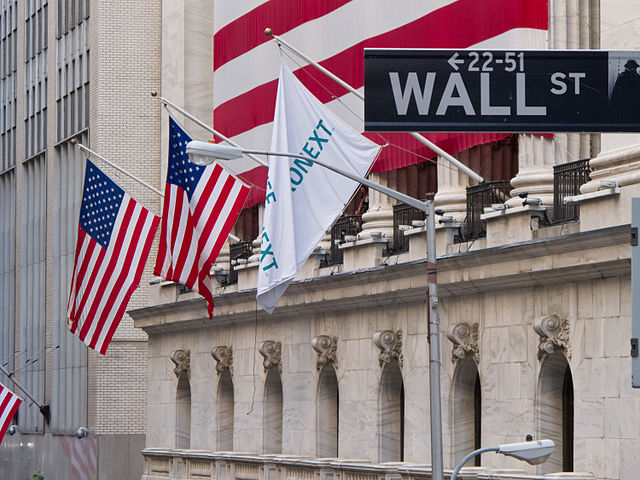
U.S. stock index futures edged lower on Tuesday evening as investors prepared for the final trading session of the year, with market sentiment dampened by thin liquidity, lingering Federal Reserve uncertainty, and fading hopes of a traditional year-end rally. With New Year’s Day falling on Thursday and U.S. bond markets scheduled for an early close on Wednesday, many participants remained on the sidelines, contributing to subdued trading activity.
S&P 500 futures declined about 0.2% to around 6,933 points, while Nasdaq 100 futures also slipped 0.2% to roughly 25,621 points. Dow Jones futures eased by approximately 0.1% to near 48,617 points. The muted movement in futures followed another broadly negative session on Wall Street earlier Tuesday, marking the third consecutive day of losses for major U.S. stock indexes. The S&P 500 finished slightly lower, the Dow Jones Industrial Average posted a modest decline, and the Nasdaq Composite also ended the session down.
Investor sentiment was weighed down by the release of minutes from the Federal Reserve’s December policy meeting. While the Fed delivered a widely expected quarter-point interest rate cut, the minutes revealed notable divisions among policymakers regarding the outlook for rates in 2026. Some officials expressed concern that persistent inflation pressures and economic uncertainty could limit the scope for further easing, while others warned that keeping policy too restrictive for too long could slow economic growth more sharply than intended. These mixed signals added to market unease and reinforced a cautious near-term outlook.
Hopes for a Santa Claus rally, a seasonal pattern that often brings gains in the final days of December and early January, have steadily faded as stocks drift lower instead. Analysts pointed to narrow market leadership, year-end profit-taking after a strong overall performance in 2024, and limited fresh economic data as key factors restraining optimism.
With few major economic releases scheduled during the holiday-shortened week, markets are likely to remain driven by technical factors, shifting interest rate expectations, and year-end portfolio adjustments. As liquidity remains thin, even modest news or positioning changes could continue to influence U.S. stock futures in the final hours of the trading year.







