


 Asian Currencies Mixed as Dollar Holds Near Two-Month High
  European Stocks Fall as Bond Yields and Geopolitical Risks Weigh
  US Comfortable With Canada Trade Standoff as Import Bans Loom
  US Stock Futures Fall as Treasury Yields Surge Ahead of Trump-Xi Summit
  Soybean Futures Slip as Traders Await Trump-Xi Trade Signals
  Wall Street Ends Flat as Oil, Treasury Yields and Fed Jitters Rattle Markets
  Japanese Yen Rebounds as Trump Flags Currency Weakness
  Fed Unveils Stablecoin Rules Under GENIUS Act
  China Agrees to Buy 20 Million Tons of U.S. Coal
  Gold Holds Near $4,275 as Rising Treasury Yields Fuel Fed Rate Hike Bets
  Fed’s Hammack Says Bond Yield Surge Is Not Driven by Inflation Fears
  US 10-Year Treasury Yield at 6% Emerges as New Market Risk Threshold
  Asian Stocks Fall as Surging Bond Yields Rattle Markets
  Fed Unveils Stablecoin Rules Under GENIUS Act
  Oil Prices Fall on U.S.-Iran Hormuz Deal Hopes
  Gold Prices Fall as Treasury Yields Rise on Fed Rate Hike Bets
  RBI Uses $10 Billion Currency Swaps to Drain Excess Rupee Liquidity


 Add as a preferred source on Google
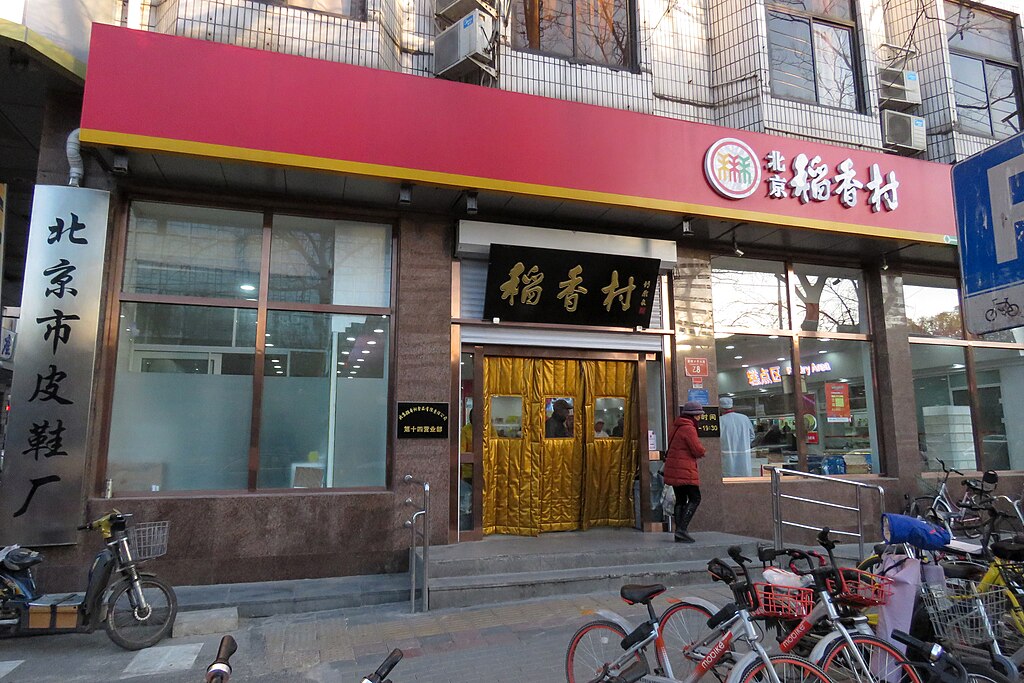
In a rundown warehouse on the outskirts of Beijing, entrepreneur An Dawei surveys rows of used industrial kitchen equipment—remnants of failed restaurants across the city. "For the average person, opening a restaurant is almost a guaranteed failure," said An, whose business dismantled around 200 eateries monthly in 2024, a 270% increase from the previous year.
Many of these closures stem from dashed hopes of a post-COVID economic rebound. Consumers, faced with a sluggish economy, are dining out less, leading to fierce price competition. Budget-friendly deals like 9.9 yuan ($1.40) coffees and 99 yuan ($14) family meals have flooded the market. Yet, this race to the bottom is unsustainable.
With China grappling with deflation—consumer inflation in February fell at the fastest pace since early 2024—spending remains tight. In cities like Beijing and Shanghai, restaurant closure rates now exceed 10% monthly. High rents, low foot traffic, and shifting consumer habits are squeezing profits. A bakery near Beijing’s Olympic Park, for instance, failed after 14 months despite a prime location.
Mid-tier restaurants, charging around 100-120 yuan per person, are particularly vulnerable. Many are forced to slash costs to 70-80 yuan per customer, risking quality and long-term survival. Industry analysts warn of a “vicious cycle,” where profit pressures lead to poorer ingredients and deteriorating customer trust.
After mass layoffs in sectors like tech, education, and real estate, many turned to the food business, triggering an oversupply of restaurants. As China’s food and beverage growth dropped to 5.3% in 2024 from 20.4% the previous year, surviving eateries now face razor-thin margins.
While the government pledges to tackle excessive market competition, the damage is visible: empty storefronts, secondhand ovens, and a once-thriving dining scene now in crisis.







