


 Japan Private-Sector Growth Slows as Domestic Demand Weakens
  European Stocks Fall as Bond Yields and Geopolitical Risks Weigh
  Gold Prices Fall as Treasury Yields Rise on Fed Rate Hike Bets
  Oil Prices Ease as Iran Tensions Clash With Diplomacy Hopes
  Oil Prices Jump 3% as Houthi Attack Revives Supply Fears
  Fed Unveils Stablecoin Rules Under GENIUS Act
  Oil Prices Fall on U.S.-Iran Hormuz Deal Hopes
  Mexico-US Trade Talks Delayed to October as Tariff Negotiations Continue
  Japanese Bank Stocks Surge as Bond Yields Fuel Rate Hike Bets
  Asian Currencies Mixed as Dollar Holds Near Two-Month High
  Australia Unemployment Hits Five-Year High Despite Strong Jobs Growth
  US Stock Futures Fall as Treasury Yields Surge Ahead of Trump-Xi Summit
  China’s ‘Lipstick King’ Says AI Won’t Replace Livestream Hosts
  Gold Holds Near $4,275 as Rising Treasury Yields Fuel Fed Rate Hike Bets
  Soybean Futures Slip as Traders Await Trump-Xi Trade Signals
  Fed’s Hammack Says Bond Yield Surge Is Not Driven by Inflation Fears
  Dollar Holds Near Two-Month High as Yen Approaches 160


 Add as a preferred source on Google
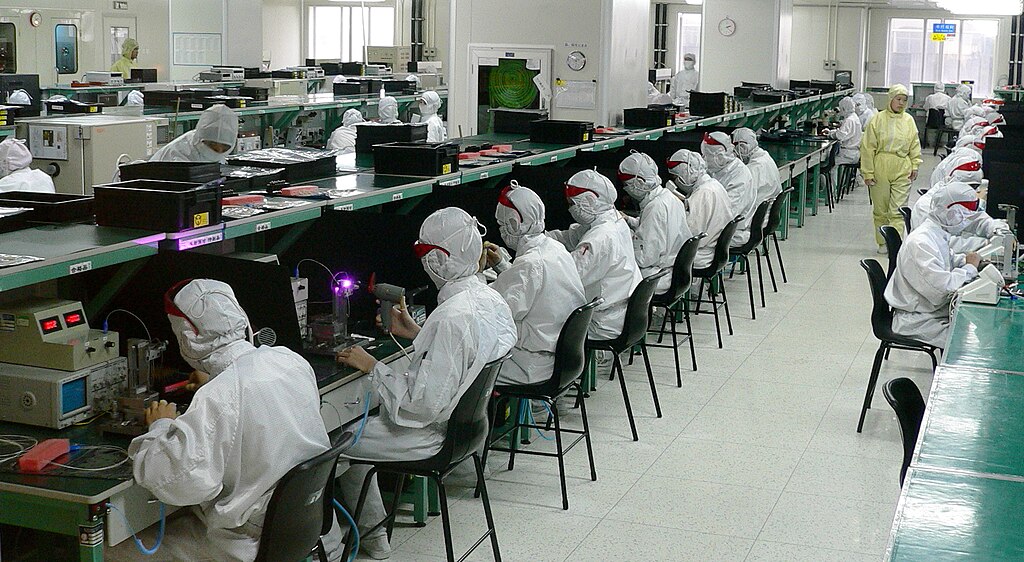
China’s manufacturing sector lost steam in November as factory activity slipped back into contraction, reflecting persistent pressure on domestic demand and slowing production. The latest RatingDog China General Manufacturing Purchasing Managers’ Index (PMI), compiled by S&P Global, fell to 49.9 from October’s 50.6, missing expectations of 50.5. Any reading below 50 signals a contraction, underscoring growing challenges for the world’s second-largest economy. The findings follow an official PMI release a day earlier showing manufacturing shrinking for the eighth consecutive month.
According to RatingDog founder Yao Yu, new export orders improved in November, but the uptick was not enough to counter weak domestic conditions dragging on overall factory performance. Despite a trade truce between China and the United States in October supporting the fastest rise in export orders in eight months, manufacturers continued to face intense competition, leading to a slight drop in export charges.
Official figures also showed industrial profits contracted in October after two months of double-digit gains, reflecting how subdued internal demand is weighing heavily on business earnings. Cooling new orders prompted companies to cut jobs again and scale back purchasing activity for the first time since June.
Falling purchasing volumes and better supplier communication contributed to shorter delivery times. However, the reduced pace of restocking pushed inventories of inputs to their lowest level since December 2023, with businesses choosing not to hold excess stock amid weakening demand. Finished-goods inventories also declined at the fastest rate in nearly three years.
Rising metal prices pushed input costs higher, but many manufacturers opted to absorb the increases and offer additional discounts, resulting in lower output charges. Despite the current slowdown, firms remain cautiously optimistic about the next 12 months. Many expect stronger sales, improved output, and support from upcoming government policies and new product launches. Economists note that while China’s exports may rebound, continued strain from the property sector and fading fiscal support highlight the need for more robust policy measures ahead of December’s Central Economic Work Conference.







