


 South Korea’s Lee Rules Out Military Role in Middle East War
  Oil Prices Fall as Saudi Supply Improves, Middle East Fears Ease
  US Officials Meet Houthis in Oman Amid Yemen Offensive
  East Germany Narrows Economic Gap With West but Wealth Divide Persists
  Australia Tightens Student Visa Rules, Targets Migration Cut by 2028
  Venezuela Nears Deal to Move $4 Billion in Gold to New York Fed
  Trump Hopes Iran War Nears End as Yemen Fighting Escalates
  US Stock Futures Rally as Markets Digest Fed Rate Hike
  Kim Yo Jong Warns of Stronger Response to US-Led Military Drills
  Russian Attack on Balakliia Kills Two, Injures Two
  Yen Slides After BOJ Rate Hike as Dollar Holds Near Seven-Week High
  Mexico Pushes for US Trade Deal Before Midterms
  Supertanker Orders Surge as US-Iran War Reshapes Oil Trade
  NATO Commander Joins US Review of Troop Deployments in Europe
  Trump Threatens EU Tariffs Over Canada Membership Proposal
  US Delegation Visits Myanmar, Secures Release of American Adam Castillo
  European Stocks Rally After Fed Hike, Iran Peace Hopes


 Add as a preferred source on Google
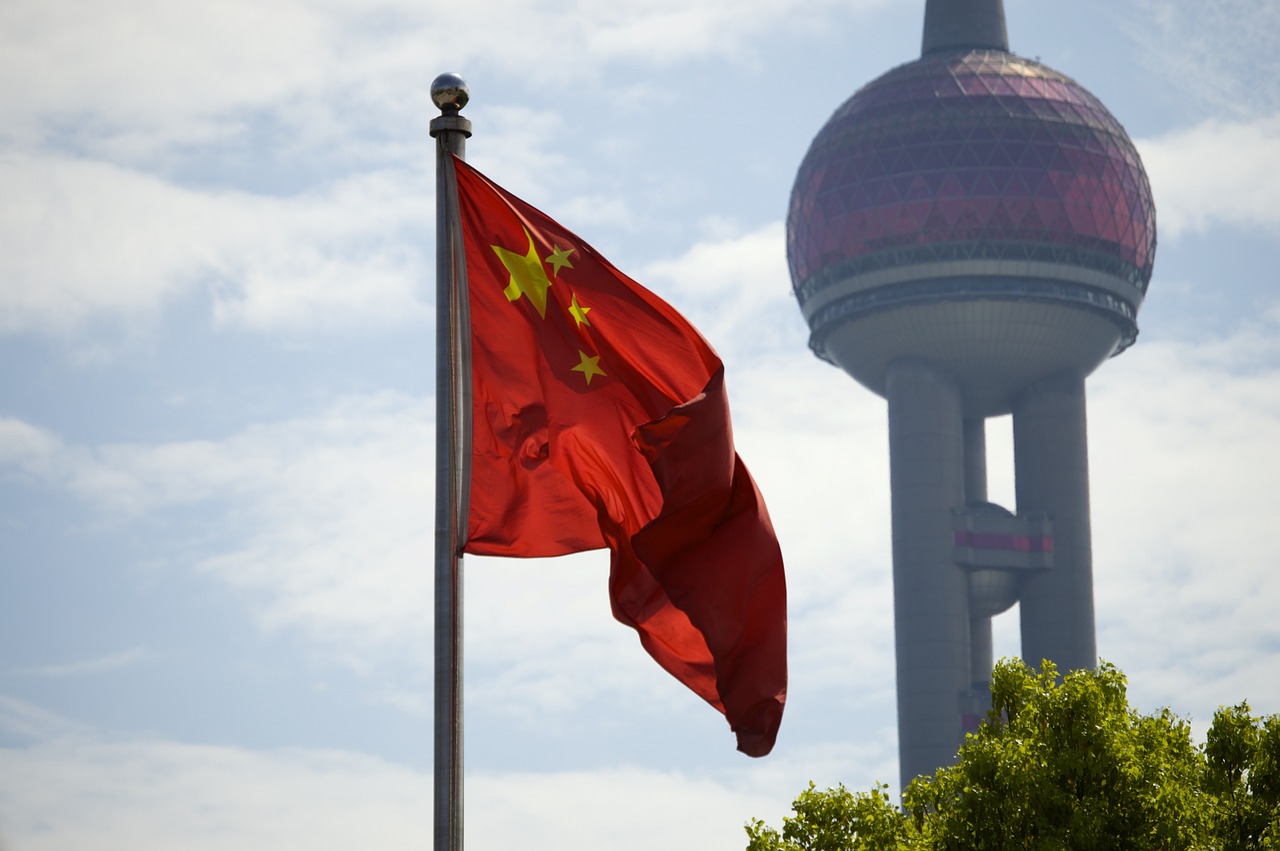
Revenues at China’s major state-owned military companies fell sharply last year as sweeping corruption probes disrupted procurement and delayed key defence projects, according to new research from the Stockholm International Peace Research Institute (SIPRI). The downturn stands in stark contrast to the global arms industry, which posted strong growth driven by rising conflicts and geopolitical tensions, including the wars in Ukraine and Gaza.
SIPRI’s analysis shows revenues for China’s top defence contractors dropped about 10% in 2024. This decline comes despite decades of rising defence budgets and Beijing’s efforts to accelerate military modernisation. Analysts say the fall reflects postponed or cancelled weapons contracts following a series of corruption allegations that hit China’s defence establishment, notably the People’s Liberation Army (PLA) and its influential Rocket Force.
The corruption purge, part of President Xi Jinping’s long-running anti-graft campaign, culminated in the expulsion of eight senior generals in October, including He Weidong, China’s second-highest-ranking officer. The shake-up raised concerns among diplomats and defence experts about delays in China’s modernization timeline, particularly for advanced missile systems, aerospace technology and cyber capabilities.
Key defence companies such as AVIC, Norinco, and CASC all saw revenue declines, with Norinco plunging 31% to $14 billion. Project reviews, leadership changes and slower aircraft deliveries contributed to widespread delays. These setbacks occurred even as China continues expanding its military power, deploying the world’s largest naval and coast guard fleets, developing next-generation aircraft carriers and advancing hypersonic missile technologies.
While China’s downturn made Asia-Oceania the only region to record declining arms revenue, the global industry grew nearly 6% to a record $679 billion. SIPRI researchers note that although corruption disruptions may temporarily slow China’s progress, long-term defence investment and political commitment to modernization remain strong, meaning key capabilities are still expected to materialize—albeit with higher costs, tighter oversight and potential programme delays.







