


 Asian Stocks Fall as Bond Yields Surge Ahead of Trump-Xi Summit
  Mexico-US Trade Talks Delayed to October as Tariff Negotiations Continue
  Japan Private-Sector Growth Slows as Domestic Demand Weakens
  China’s ‘Lipstick King’ Says AI Won’t Replace Livestream Hosts
  Fed’s Hammack Says Bond Yield Surge Is Not Driven by Inflation Fears
  U.S. Dollar Hits Two-Month High as Oil, Treasury Yields Surge
  U.S. Treasury Yields Surge as 30-Year Hits 22-Year High
  Soybean Futures Slip as Traders Await Trump-Xi Trade Signals
  Asian Currencies Mixed as Dollar Holds Near Two-Month High
  Australia Unemployment Hits Five-Year High Despite Strong Jobs Growth
  Dollar Holds Near Two-Month High as Yen Approaches 160
  Asian Stocks Fall as Surging Bond Yields Rattle Markets
  Fed Unveils Stablecoin Rules Under GENIUS Act
  European Stocks Fall as Bond Yields and Geopolitical Risks Weigh
  Japanese Bank Stocks Surge as Bond Yields Fuel Rate Hike Bets
  Oil Prices Fall on U.S.-Iran Hormuz Deal Hopes
  Canadian Dollar Faces Pressure as Fed-BoC Policy Gap Widens


 Add as a preferred source on Google
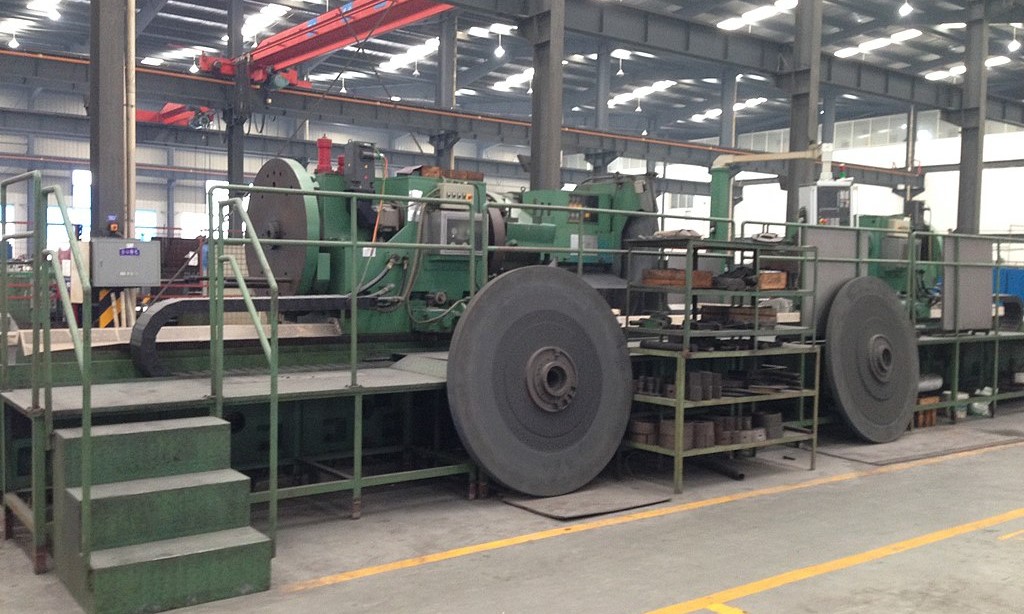
China’s manufacturing activity shrank more than expected in October, signaling persistent weakness in the world’s second-largest economy. According to official data released Friday, the manufacturing Purchasing Managers’ Index (PMI) dropped to 49.0, below expectations of 49.6 and down from 49.8 in September. Any reading below 50 indicates contraction, marking the seventh consecutive month of decline for China’s factory sector.
The data highlights ongoing pressure on Chinese manufacturers as domestic demand remains sluggish and U.S. trade tariffs continue to weigh on exports. Despite recent talks between President Xi Jinping and U.S. President Donald Trump, where both leaders agreed to ease some trade restrictions, tariffs on Chinese goods still hover around 50%, dampening export competitiveness.
Weak factory output reflects broader economic challenges in China, including deflationary pressures, low consumer spending, and declining private investment. While Beijing has pledged additional stimulus measures to revive growth, specific details on new economic support remain unclear. Analysts say that without concrete policy action, China’s recovery could continue to lose momentum heading into the final quarter of the year.
Outside of manufacturing, business activity showed modest improvement, with the non-manufacturing PMI rising to 50.1, in line with forecasts. However, the overall composite PMI, which measures combined manufacturing and services activity, fell to 50.0 from 50.6, teetering on the edge of contraction.
The latest figures underscore the fragile state of China’s post-pandemic recovery. As global demand softens and local confidence falters, economists believe targeted fiscal stimulus and stronger domestic reforms will be essential to stabilize growth and restore industrial confidence in the coming months.







