


 Soybean Futures Slip as Traders Await Trump-Xi Trade Signals
  Japanese Bank Stocks Surge as Bond Yields Fuel Rate Hike Bets
  Japan Private-Sector Growth Slows as Domestic Demand Weakens
  China’s ‘Lipstick King’ Says AI Won’t Replace Livestream Hosts
  U.S. Treasury Yields Surge as 30-Year Hits 22-Year High
  Gold Holds Near $4,275 as Rising Treasury Yields Fuel Fed Rate Hike Bets
  US Stock Futures Fall as Treasury Yields Surge Ahead of Trump-Xi Summit
  Japanese Yen Rebounds as Trump Flags Currency Weakness
  Fed Unveils Stablecoin Rules Under GENIUS Act
  RBI Uses $10 Billion Currency Swaps to Drain Excess Rupee Liquidity
  Oil Prices Ease as Iran Tensions Clash With Diplomacy Hopes
  Australia Unemployment Hits Five-Year High Despite Strong Jobs Growth
  Trump, Xi Focus on Trade and AI at White House Summit
  Wall Street Ends Flat as Oil, Treasury Yields and Fed Jitters Rattle Markets
  Dollar Holds Near Two-Month High as Yen Approaches 160
  Dollar Falls as Oil Eases, Yen Jumps on Intervention Signals


 Add as a preferred source on Google
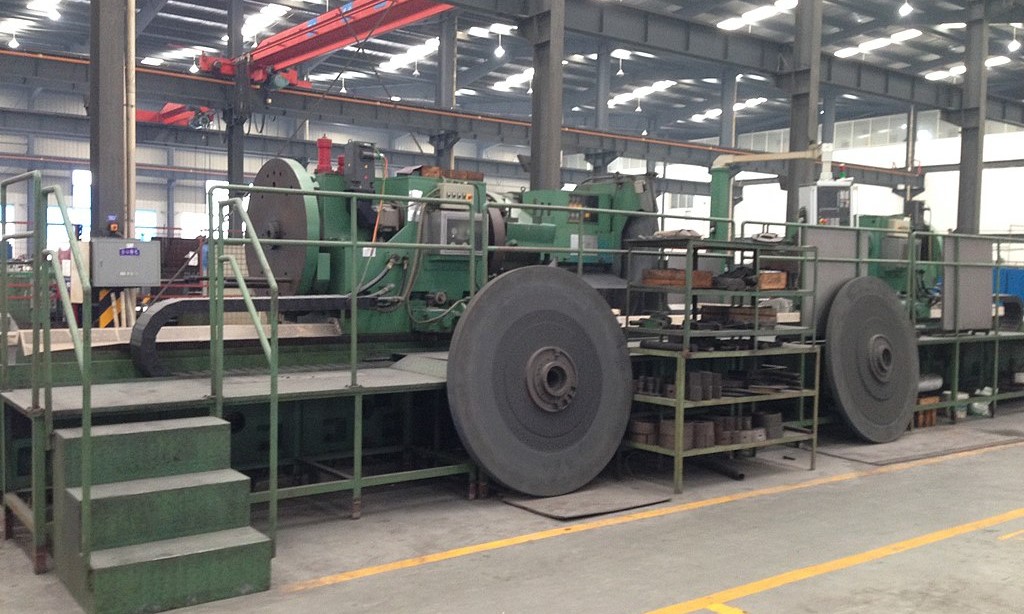
China’s manufacturing sector is expected to contract for the eighth consecutive month in November, underscoring persistent economic challenges as policymakers debate between advancing long-term structural reforms or introducing more stimulus. According to a Reuters poll of 21 economists, the official manufacturing Purchasing Managers’ Index (PMI) likely edged up slightly to 49.2 from October’s 49.0, still below the 50-point benchmark that signals expansion. The latest PMI data, due Sunday, reflects both weak domestic demand and sluggish global conditions.
The ongoing contraction highlights how difficult it has been for Chinese manufacturers to maintain momentum after the post-COVID recovery. Factories continue to grapple with the impact of the U.S.–China trade war, which has pushed many exporters to diversify away from the American market. Historically, China has relied on ramping up industrial output or launching large-scale infrastructure projects to boost growth when consumption weakened. However, with a cooling global economy, a deep property market crisis, and heavily indebted local governments, these traditional tools are becoming less effective.
Recent industrial profit data also disappointed, partly due to a high comparison base from last year when authorities rolled out additional stimulus. Despite being the world’s second-largest economy, China remains exposed to declines in overseas demand, with third-quarter growth slowing to its weakest pace in a year.
Policymakers recognize that meaningful reforms are needed to address long-standing imbalances, encourage household spending, and ease the mounting debt burden on local governments—some of which oversee economies comparable to entire nations. Yet these reforms could be politically sensitive, especially as trade tensions with the United States add pressure.
In an effort to boost consumption, China recently unveiled a plan targeting upgrades in rural consumer goods and expanding spending in emerging niches such as pet products, anime merchandise, and trendy toys. Meanwhile, analysts expect the private-sector RatingDog PMI to dip slightly to 50.5 from 50.6, signaling marginally softer activity but remaining in expansion territory.







